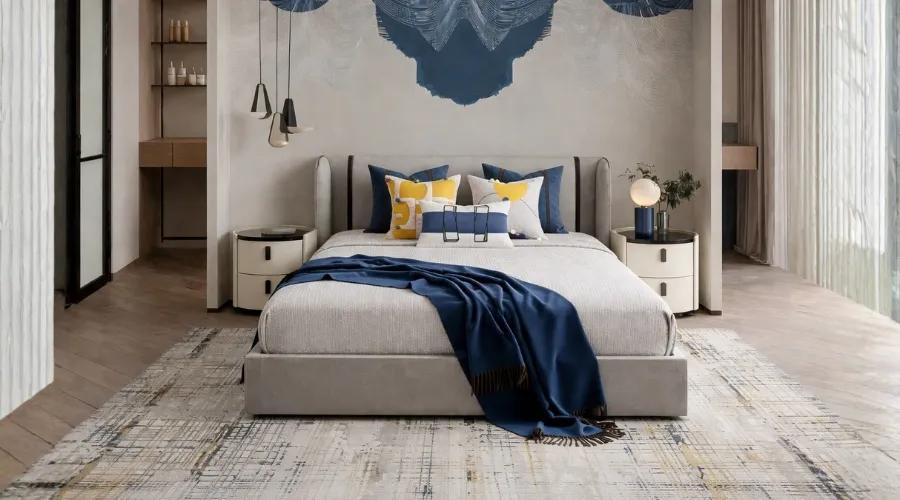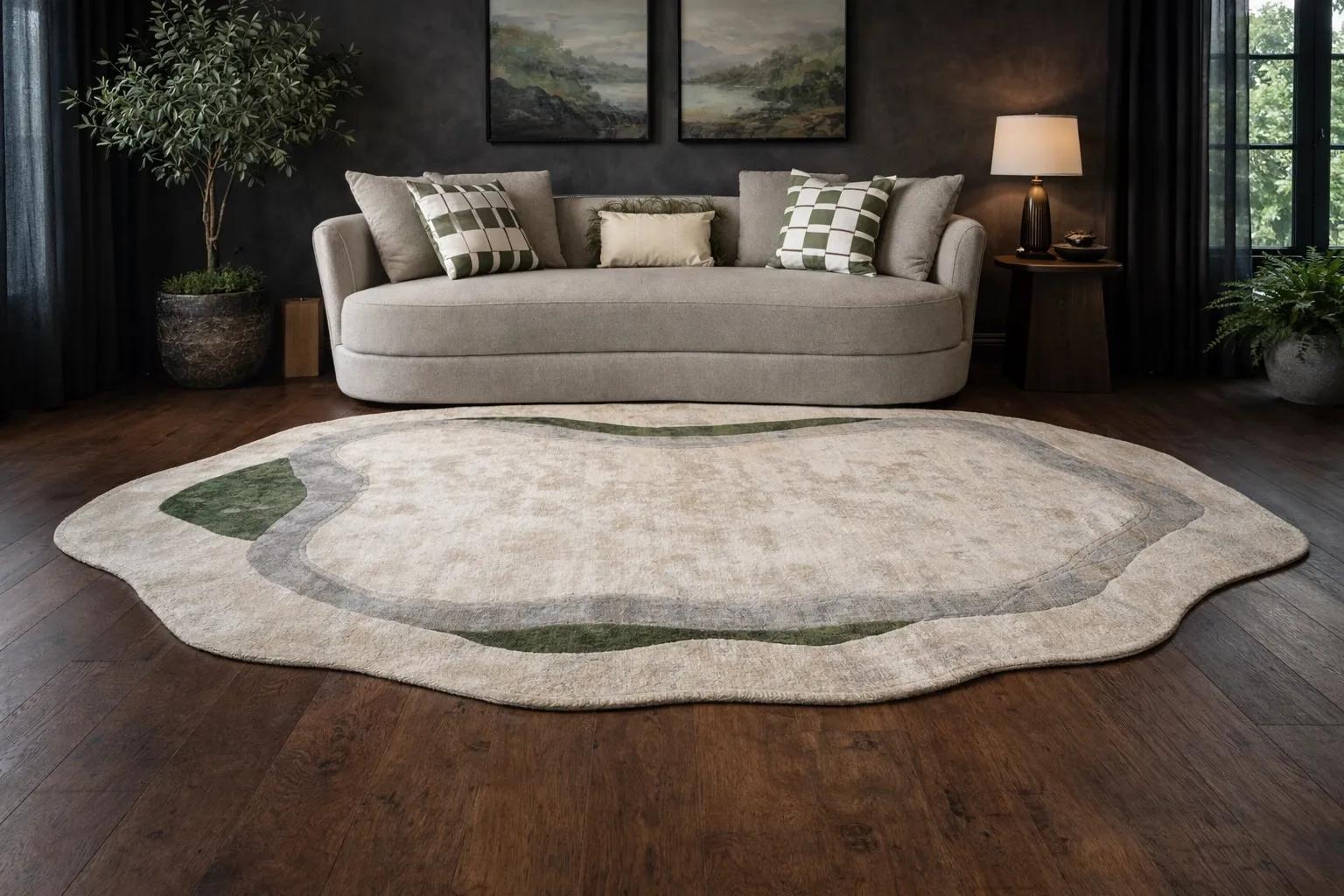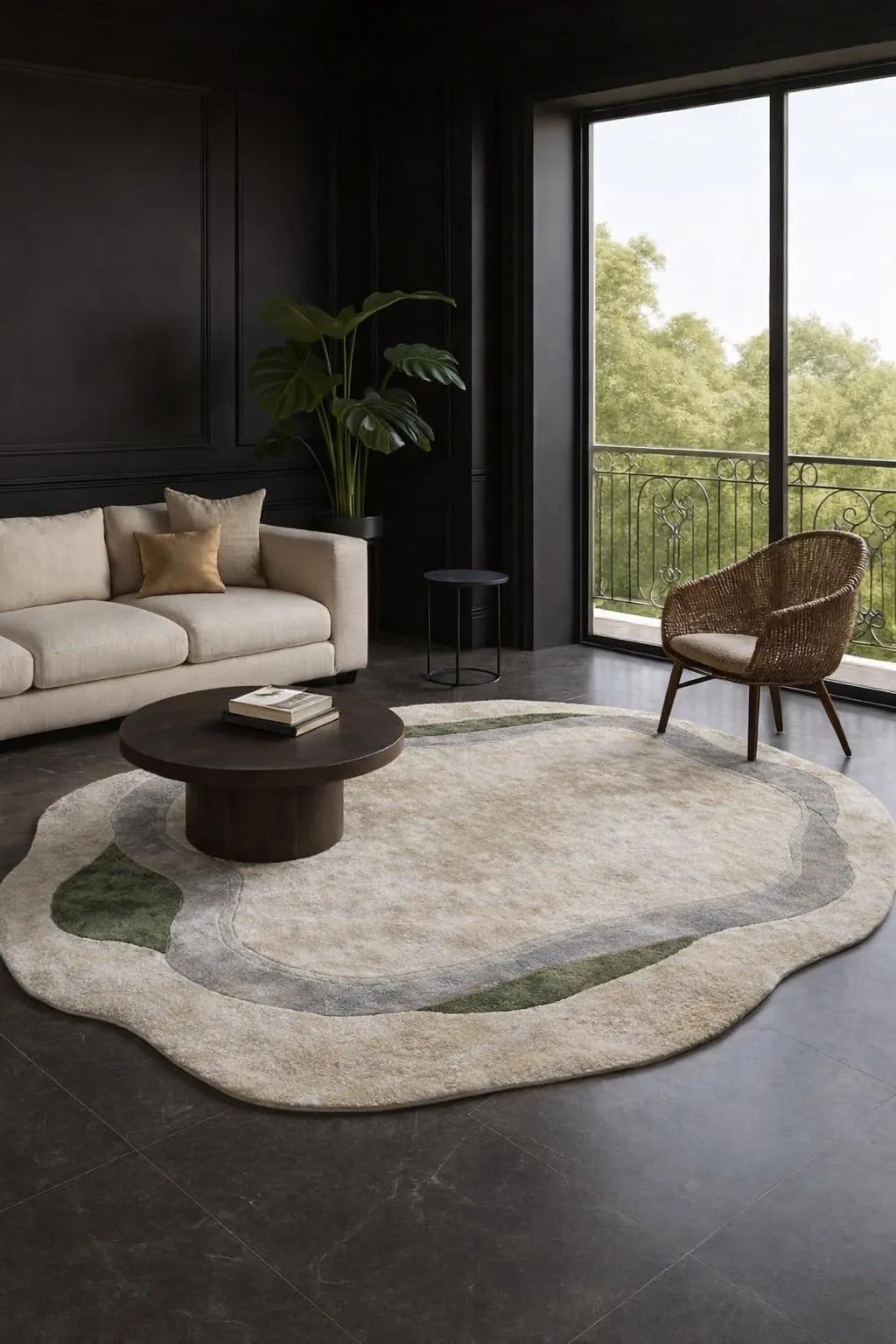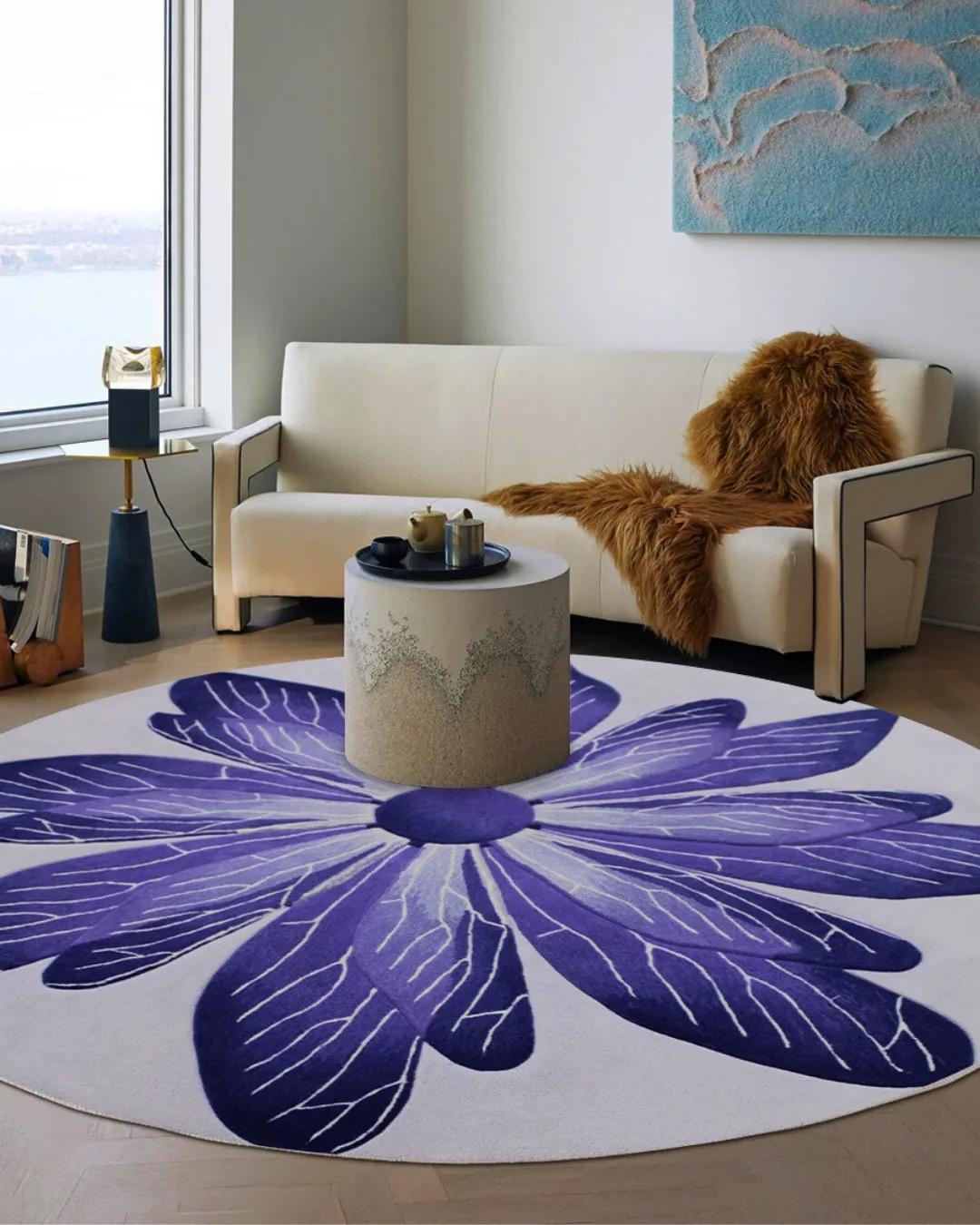
Most living rooms are bought one object at a time — a sofa here, a rug there, cushions whenever — and it shows. The pieces don't talk to each other, the rug's too small, the cushions fight the sofa, and the room never quite resolves. A living room that works is designed as a system: sofa, rug, cushions and throws chosen to layer together. Here's how to set one up from scratch, in the right order, so the whole room reads as one considered space.
Think in layers, not objects
A living room is really four layers stacked from the floor up:
The sofa — the anchor and the biggest commitment.
The rug — defines the zone and sets the floor palette.
The cushions — the colour and personality layer.
The throw — the finishing warmth.
Get the relationships between these right and the room is 90% there. The order you buy them in matters too, because each layer constrains the next.
1. The sofa: anchor first
Start with the sofa because everything else responds to it. Choose the size honestly for your room — a sofa too big swallows a compact flat; too small floats in a large one. For the upholstery colour, a neutral sofa (oat, grey, tan, charcoal) is the flexible choice: it lets you change the room's mood with cushions and throws over the years rather than committing your largest piece to one scheme. A leather sofa is its own statement and wants quiet, textured layers around it. (SOISU Furniture makes the sofas; SOISU Decor curates the soft layers that complete them.)
2. The rug: size it to the seating
The rug's job is to gather the seating into one zone, so size it to the furniture group, not the room. The reliable rule: the rug sits under at least the front legs of the sofa and spans most of the seating arrangement.
5 × 8 ft for a compact apartment layout.
6 × 9 ft for a standard 3-seater with chairs.
8 × 10 ft for larger rooms.
For colour, let the rug be calm — a cream, greige or stone low-pile rug lets the sofa and cushions do the talking, and low pile suits Indian dust and humidity. A rug that's too small or too loud is the most common reason a living room looks unfinished.
3. The cushions: the personality layer
Now the room comes alive. On a 3-seater, a row of 45 × 45 cm squares with a 30 × 50 cm lumbar reads balanced. The trick to a designed look is restraint and rhythm:
One print, one texture, one solid, in a single palette.
Pick up a colour already present — in the rug, the curtains, an artwork — so the cushions tie the layers together.
Odd numbers and a mix look more considered than a matched even set.
This is the layer to change seasonally or when you want a refresh — cheap to swap, transformative in effect.
4. The throw: finish it
A throw cast loosely over one arm of the sofa breaks the upholstery, adds tactile warmth, and finishes the room like a tailored detail. In an undyed natural tone it stays neutral; in a muted accent it doubles as your colour. Drape it — never fold-and-centre.
Make the layers talk to each other
The difference between a roomful of nice things and a designed room is one repeated colour and a consistent material story. Choose a single accent — sage, dusty blue, ochre, terracotta — and let it appear two or three times: a cushion, a throw, a thread in the rug. Keep the materials honest and tactile throughout (linen, cotton, wool-blend) so the textures relate. That repetition is what makes the eye read the room as one composition rather than separate purchases.
The order to buy in
If you're building from scratch over time:
Sofa (neutral, sized right) — the anchor.
Rug (sized to the seating, calm, low pile) — the zone.
Cushions (one palette, one accent) — the personality.
Throw (drape, repeat the accent) — the finish.
Edit — clear a third of the surface clutter so the layers breathe.
This is the full-room thinking SOISU is built for. The SOISU Furniture parent makes the sofas; SOISU Decor curates the rugs, cushions and throws to complete them — Italian, Scandinavian and Japandi design in honest materials, sized for Indian homes. Buy the room as a system, not as scattered objects, and it resolves into the calm, considered space you were picturing all along.