Material · 8 min read · 08 Jun 2026
The Best Carpet Material for Indian Homes: A Buyer's Guide
Which carpet material is best for Indian homes? Wool, cotton, polyester and blends compared on durability, humidity-resistance, softness, stain-tolerance and price — plus pile and care advice for hot, dusty, humid conditions.
By the SOISU studio
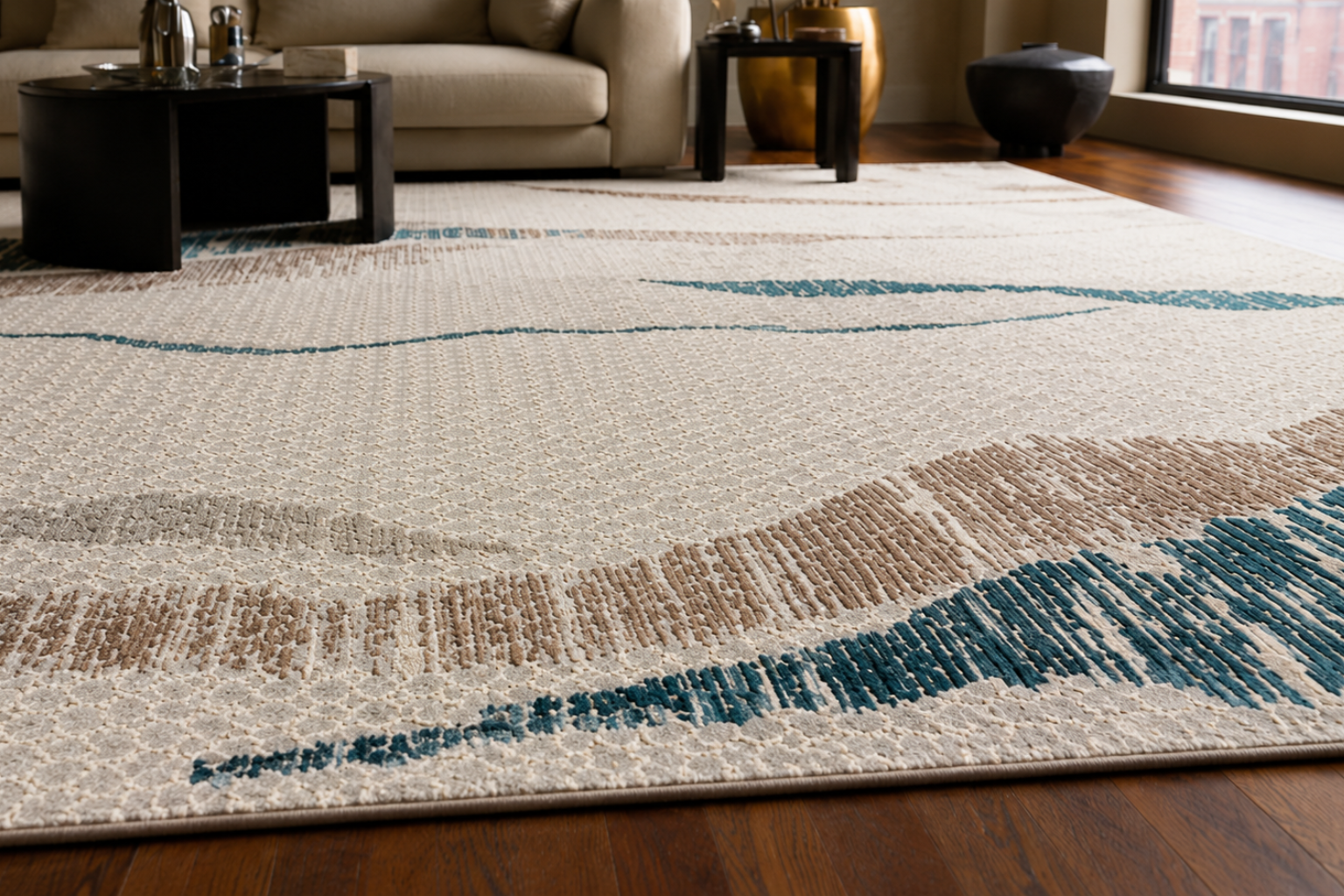
The material a carpet is made of decides almost everything about how it lives in your home — how it handles Indian dust and humidity, whether it survives a family and pets, how it feels underfoot, and how often you'll be apologising for a stain. Colour and pattern are the fun part; material is the part that determines whether you're still happy with the rug in three years. Here is how the main options compare for Indian conditions.
The contenders, in one line each
- Wool / wool-blend — warm, resilient, naturally soil-resistant; the premium choice, higher priced.
- Polyester-cotton blend — budget-friendly, stain-tolerant, even and hard-wearing; the practical all-rounder.
- Cotton — soft and washable in smaller flatweaves; less suited to heavy-traffic area rugs.
- Polypropylene / synthetic — cheapest and very stain-resistant, but can feel plasticky and flatten in high traffic.
Wool and wool-blends
Wool is the classic carpet fibre for good reasons. It's naturally resilient — fibres spring back from footfall rather than crushing flat — and has a natural resistance to soiling, so dust and spills sit on the surface longer before penetrating. It's warm and quiet underfoot and ages gracefully. The trade-offs: it costs more, and in very humid, monsoon-heavy regions a deep wool pile needs airing to prevent damp. A wool-blend gives you most of wool's resilience and hand at a more accessible price, which is why it's a sweet spot for Indian living rooms.
Polyester-cotton blends
This is the practical workhorse for everyday Indian homes. A power-loomed polyester-cotton blend gives an even, hard-wearing surface that handles high traffic, resists stains better than pure natural fibres, and costs considerably less than wool. It won't have wool's springy luxury, but for a busy living room, a home with children, or a first proper rug, it's the sensible, low-worry choice. SOISU carpets are largely power-loomed in these blends for exactly this reason — consistency and value that suit real homes.
What matters more than the fibre: pile and construction
For Indian conditions — heat, dust, humidity, and often pets — pile height and construction quality matter as much as the fibre itself:
- Low pile resists moisture, traps less dust and pet hair, and is far easier to vacuum and keep clean than a deep shag. In coastal and humid cities, keep pile low.
- Tight construction — a densely-woven or well-tufted rug — wears better and sheds less than a loose one.
- Machine-loomed vs hand-tufted: power-loomed gives an even, hard-wearing surface ideal for high-traffic areas; hand-tufted adds a softer, plusher hand suited to bedrooms and quiet corners. Neither is "better" — they suit different rooms.
Climate, pets and stains
In humid and coastal India, favour low-pile, tightly-constructed carpets in resilient fibres, and air them periodically through the monsoon. For homes with pets, low-pile blends are the easy winners — they trap less hair and spot-clean readily. For stain-tolerance, polyester-blends lead; for natural soil-resistance, wool leads. Whatever the fibre, clean spills immediately with a damp cloth rather than rubbing, and vacuum on low suction.
So which should you buy?
You want… · Buy
Premium feel, warmth, longevity · Wool or wool-blend, low-to-medium pile
Best value for a busy living room · Polyester-cotton blend, low pile
Easiest with pets and kids · Low-pile blend, tightly constructed
Humid / coastal home · Low pile in any resilient fibre; air regularly
There is no single "best" material — there's the best material for your room. A premium bedroom can carry a plush wool-blend; a high-traffic family living room is happier with a hard-wearing low-pile blend. SOISU describes each carpet's fibre, pile and construction in plain language on the product page, so you can match the piece to how your home actually lives rather than guessing from a photo.