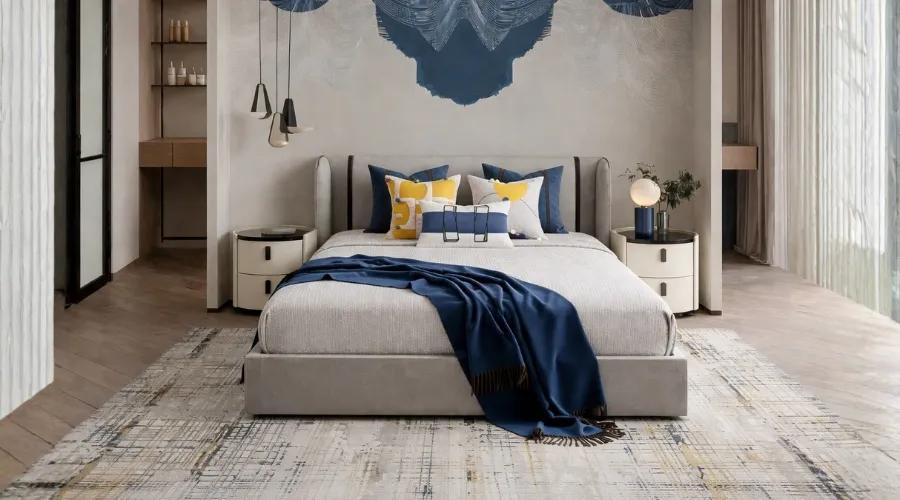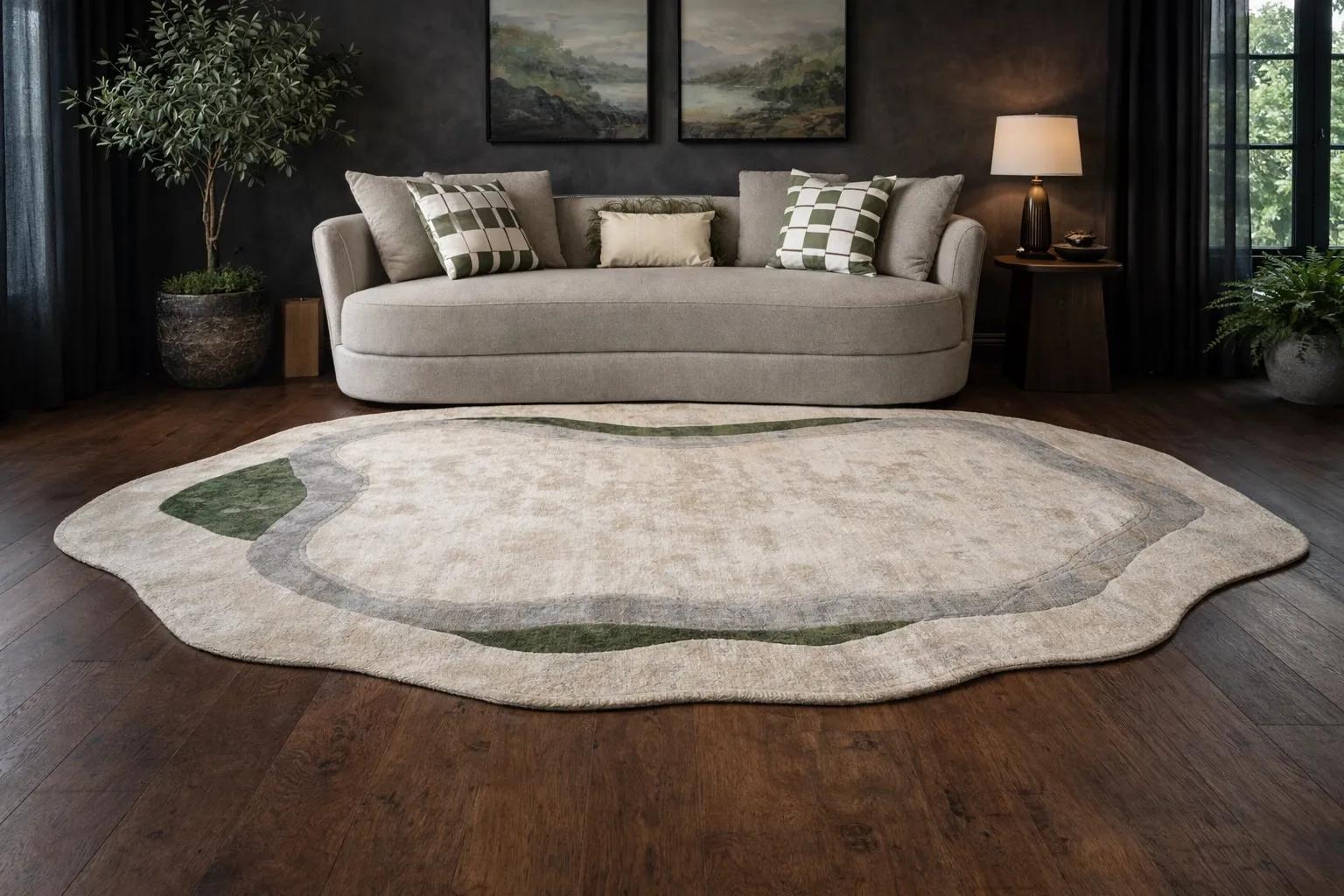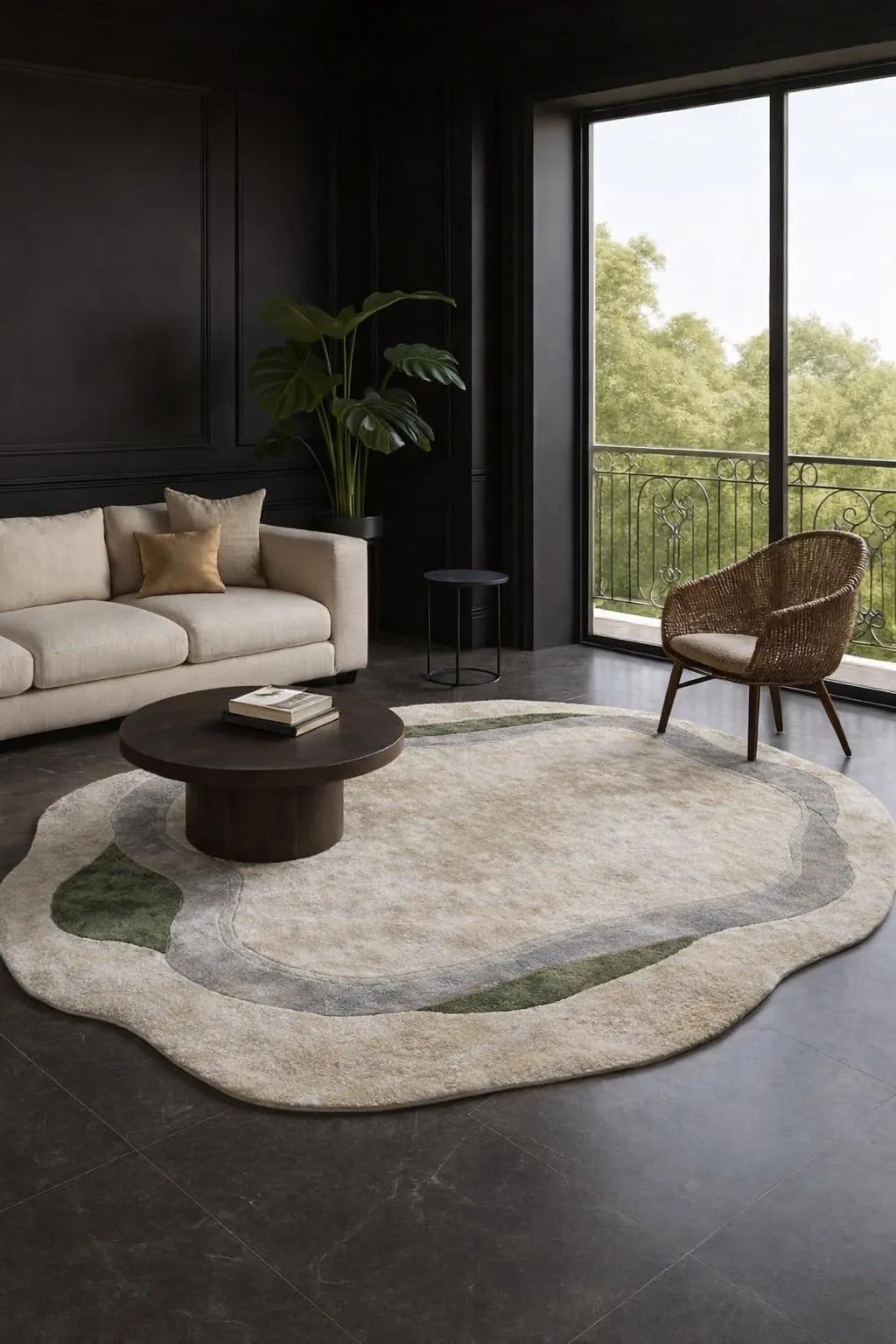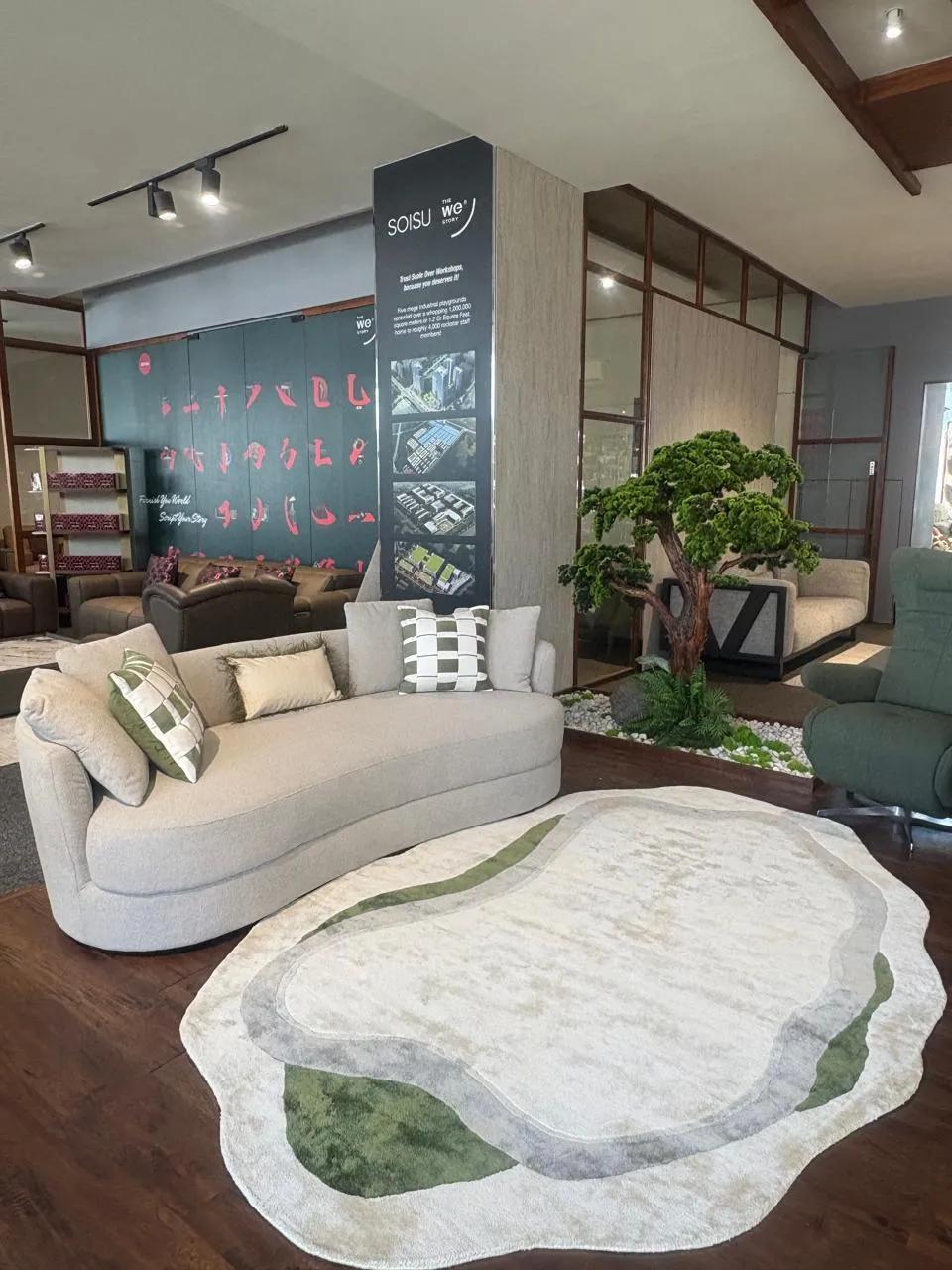
A good leather sofa is a statement piece that quietly resists being styled. Its warm tan or cognac surface is rich and a little glossy, its colour shifts with the light, and the wrong cushions sit on it looking either lost or loud. But pair it well — the right textures against the smoothness, the right palette beside the warmth — and a leather sofa becomes the anchor of one of the most inviting rooms you can build. Here is how to decorate around one.
Why leather needs texture, not competition
Leather is smooth, reflective and visually heavy. The instinct is to add more richness; the better move is to add contrast in texture and keep the colours quiet. Soft, matte, woven textiles — slub linen, cotton, wool-blend — read beautifully against the sheen of leather, where another shiny or busy fabric would fight it. Think of the leather as the bass note and the textiles as the lighter instruments around it.
The palette: work with the undertone
Tan and cognac leather carry a warm, slightly orange undertone. Two palettes flatter it:
Warm neutrals — cream, oat, camel, soft brown, walnut. This is the safe, quiet-luxury route: a tonal, layered scheme where the leather is the deepest warm note. Calm, expensive, hard to get wrong.
Cool contrast — to make tan leather sing, set it against its complement: muted blues, teal, sage green, charcoal. A dusty-blue or deep-green cushion against cognac leather is a classic, confident pairing.
Avoid pure black (it deadens the warmth) and competing warm-bright colours like red or orange (they clash with the undertone).
Cushions
Keep the sofa from looking like a furniture-showroom display by softening it deliberately:
A row of 45 × 45 cm square covers, with a 30 × 50 cm lumbar for depth on a 3-seater.
Mix one texture, one quiet print, one solid — for example a slub-linen oat square, a botanical print in muted indigo or madder, and a sage solid.
Matte natural fabrics over anything synthetic or shiny. The contrast of soft-against-smooth is the whole effect.
A throw to break the surface
A leather sofa can look pristine to the point of unused. A wool-blend throw in an undyed natural tone, cast loosely over one arm, breaks the expanse of leather, adds tactile warmth, and signals a room that is lived in. In undyed cream or soft grey it stays neutral; in a muted blue or green it doubles as your accent. Drape it casually — the relaxed cast is what keeps the room from feeling staged.
The rug underneath
Ground the leather with a low-pile rug that picks up the scheme rather than matching the sofa. A cream, greige or stone rug lets the leather be the hero; a rug with a subtle blue or charcoal note ties in your cushion accents. Size it properly — under at least the front legs of the sofa and across the seating group — so the leather piece reads as part of a composed room, not a marooned object.
Putting it together
A reliable, hard-to-fail formula for a tan leather sofa:
Rug: low-pile, cream or greige, correctly sized.
Cushions: oat linen + one muted print + one cool-accent solid (sage or dusty blue).
Throw: undyed wool-blend, draped over one arm.
Restraint: let the leather and one accent colour carry the room; resist adding a third bright.
This furniture-and-decor pairing is exactly where SOISU sits: the SOISU Furniture parent makes the sofas, and SOISU Decor curates the cushions, rugs and throws — Italian, Scandinavian and Japandi design in honest materials — to complete the room around them. A leather sofa is an investment; the soft layer is what makes it feel like home.