Compact rooms are the default in Indian cities, and most of the tricks that make them feel bigger cost nothing structural — they're about how you handle colour, floor, furniture height and light. Done right, a small living room or bedroom reads calm and generous rather than cramped. Here are the moves that actually work, and the common mistakes that make small rooms feel smaller.
Counter-intuitive truth #1: a bigger rug makes a room look bigger
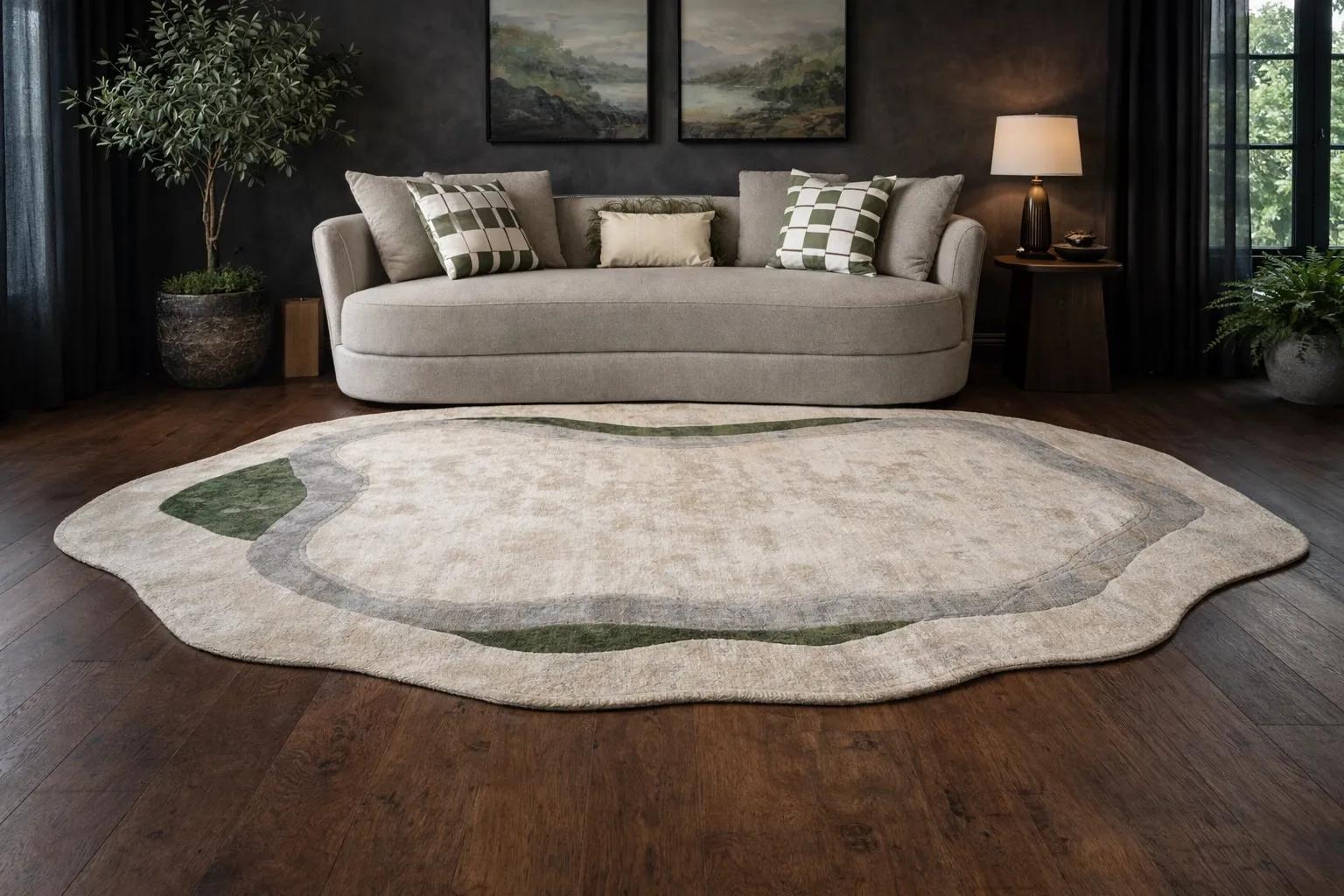
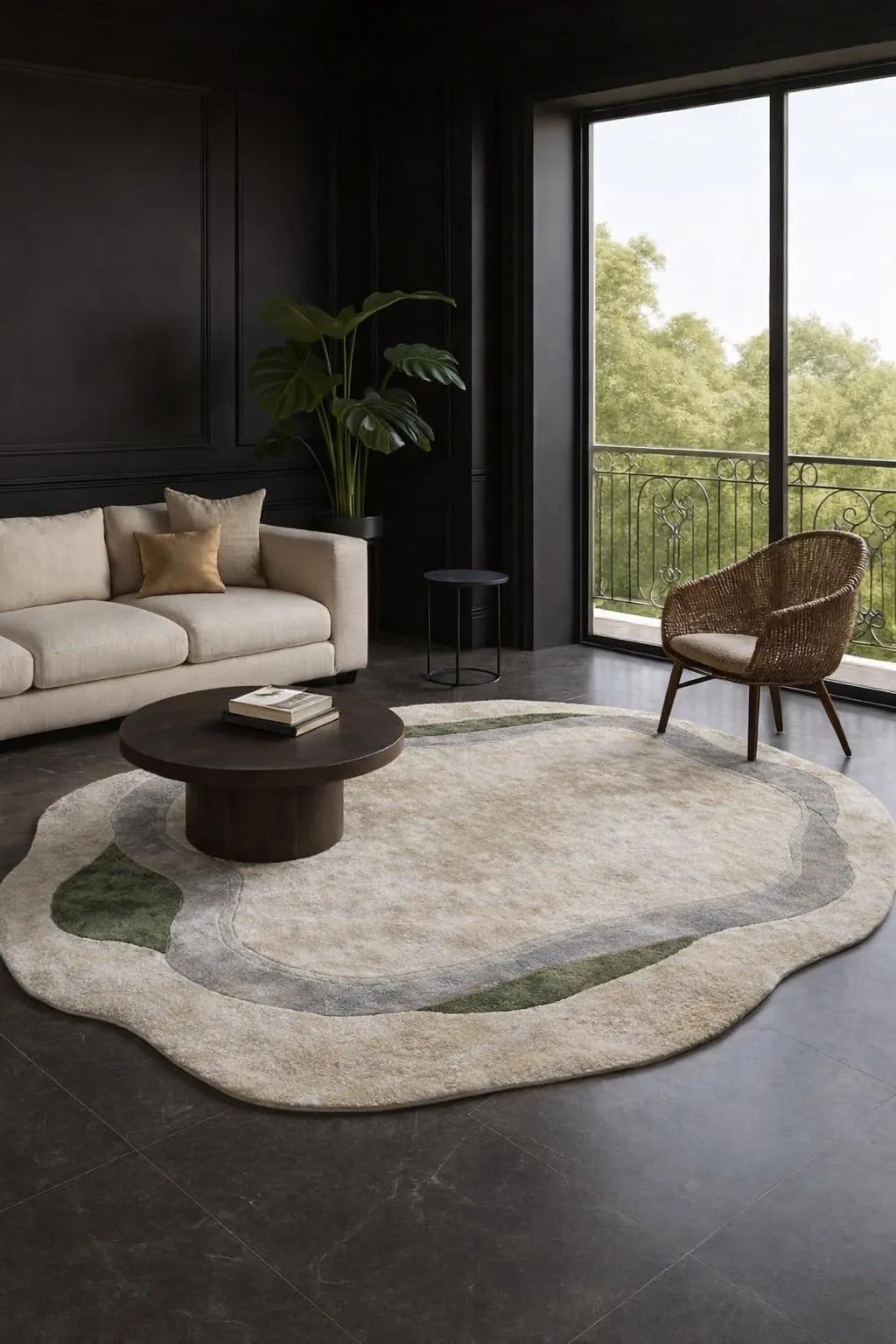
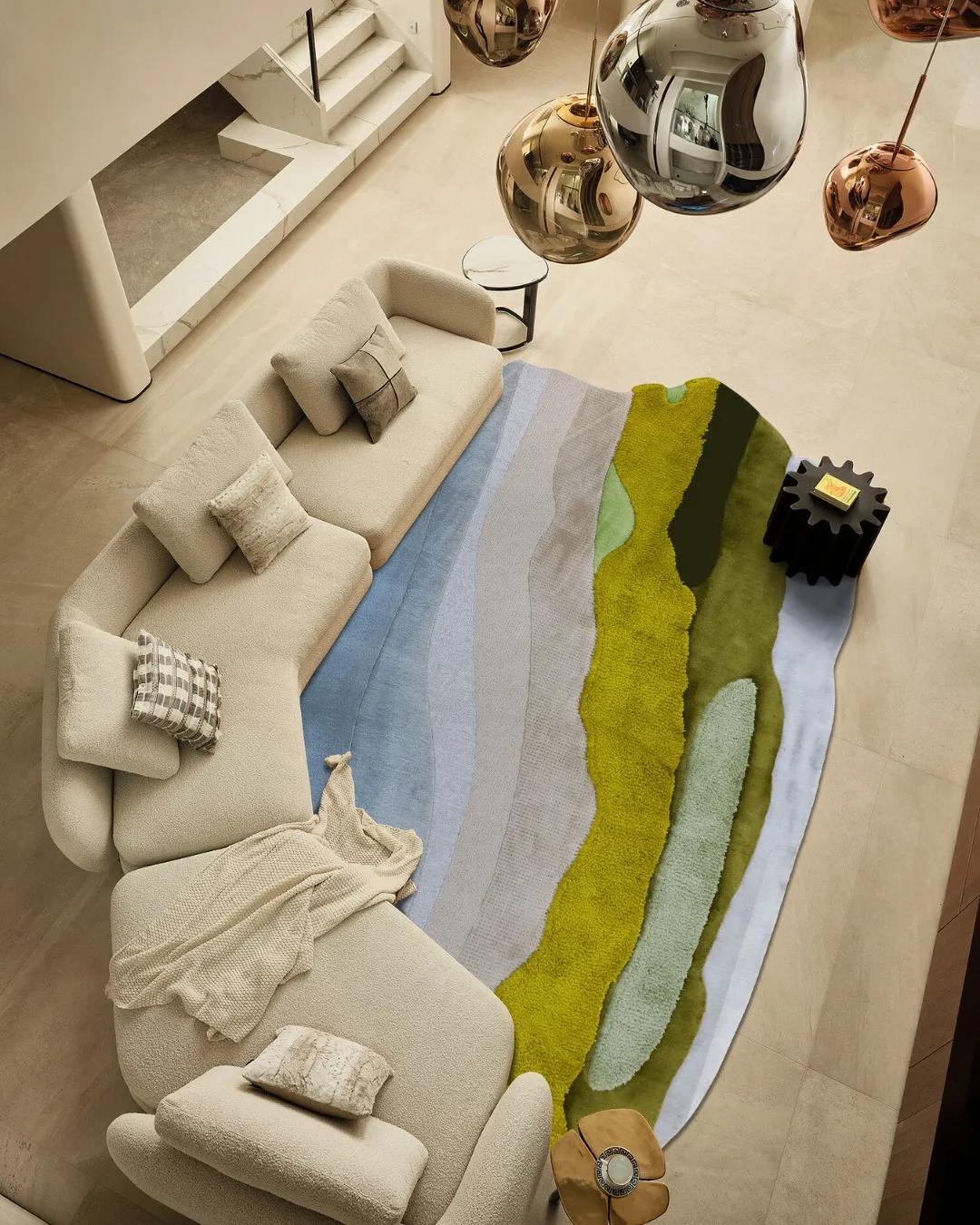
It feels backwards, but a too-small rug is the number-one thing that makes a compact room look cramped. A small rug floating in the centre chops the floor into bits and shrinks the space. A correctly-sized rug — sitting under at least the front legs of the seating and spanning the group — reads the floor as one continuous, intentional zone, which makes the room feel larger. Keep it low pile so it doesn't visually heap up, and let its colour be calm.
Keep furniture low and against the walls
Low furniture leaves more visible wall above it, and visible wall reads as air and space. Tall, bulky pieces crowd a small room. Push the largest items toward the walls to keep the centre open, and resist over-filling — visible floor is what makes a small room breathe. Every clear surface is a small piece of spaciousness.
Use a light, tonal palette
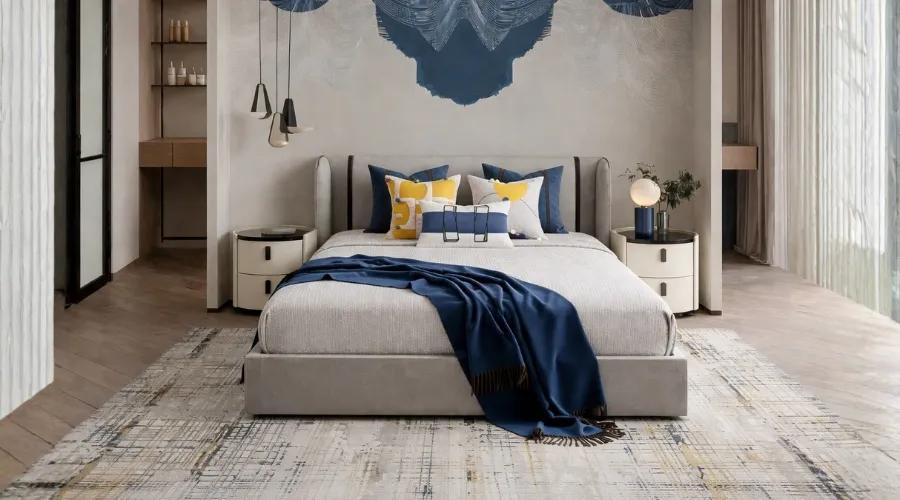
Pale, warm neutrals reflect light and recede, making walls feel further away. A tonal scheme — oat, stone, cream, soft greige — with low contrast between walls, floor textiles and furniture blurs the boundaries of the room and makes it read larger. High contrast (a dark rug on a light floor, a bold accent wall) chops the space up and shrinks it. Save strong contrast for rooms that can afford to feel cosy.
Let texture replace clutter
A small room can't carry lots of objects without feeling busy, but it still needs warmth — so let texture do the job decoration usually does. A slubby linen cushion, a soft wool-blend throw, a low-pile rug add richness and interest without adding visual clutter. One well-chosen textured cushion beats a shelf of small objects in a compact space.
Maximise light
Light is the cheapest way to expand a room. Keep windows as unobstructed as possible, choose lighter, sheer window treatments over heavy ones, and add a couple of plug-in lamps so the corners aren't dark — dark corners make a room feel smaller and boxier. Warm, even light across the whole room reads as more space than a single bright overhead.
Edit ruthlessly
Clutter is the enemy of perceived space. Clear a third of the objects from every surface, keep only what you use or love, and give the remaining pieces room to breathe. A small room that's edited feels deliberate and calm; a small room that's full feels cramped — same square footage, completely different experience.
The small-room checklist
Right-size the rug — under the seating, low pile, calm colour.
Go low and to the walls with furniture; keep the centre open.
Light, tonal palette — low contrast, warm neutrals.
Texture, not clutter — warmth from materials, not objects.
Maximise light — sheer treatments, corner lamps.
Edit — clear a third, let the rest breathe.
None of this needs renovation — it's all colour, floor, height and light, achieved with the soft, movable layers you can change any time. SOISU's low-pile rugs, neutral cushions and wool-blend throws are made for exactly this: world design in honest materials, sized for the compact Indian apartment, that make a small room feel calm, considered and a good deal bigger than it is.