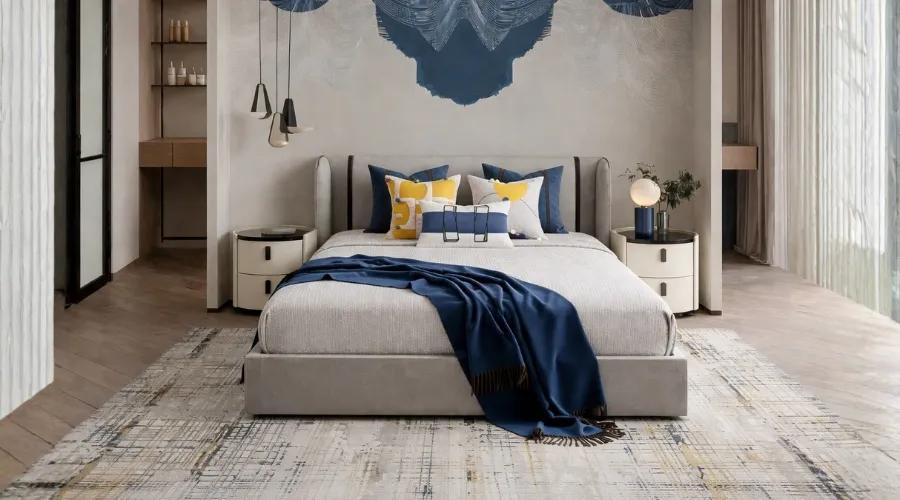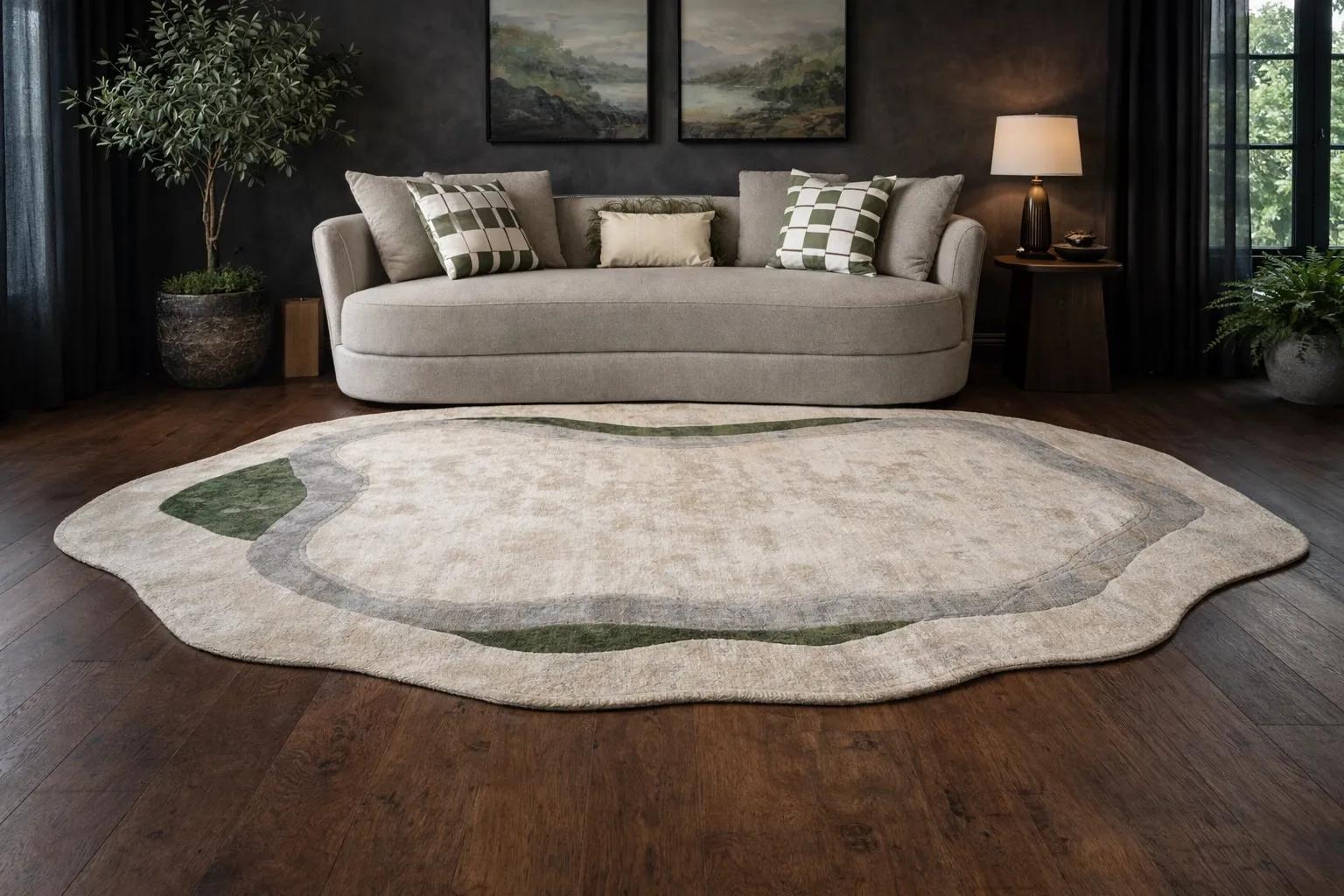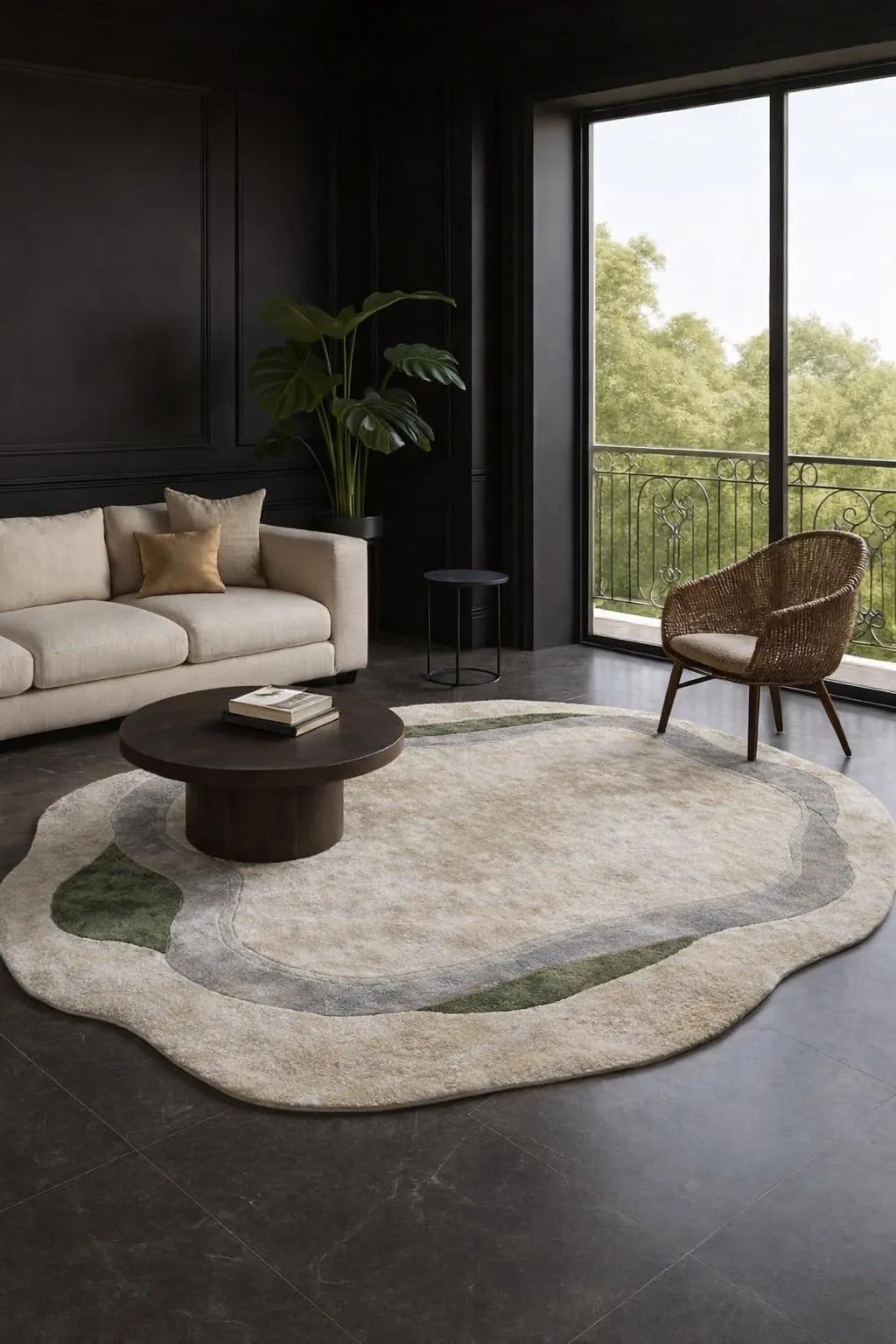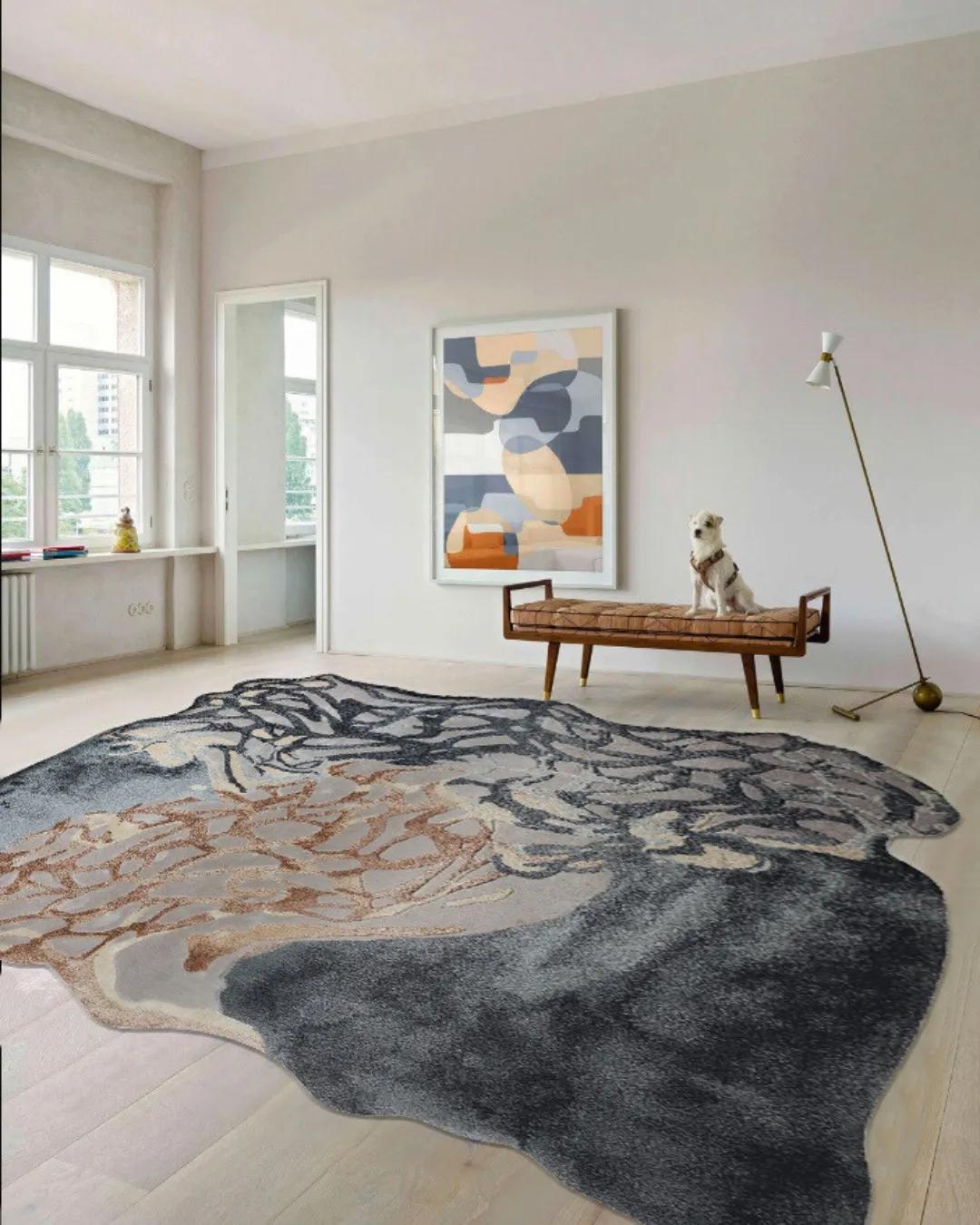
Quiet luxury is the interior style that spends its money where you feel it and almost never where you see it. There are no logos, no gold-leaf flourishes, no statement chandeliers asking to be noticed. Instead there is a sofa that is deeper and better-made than it looks, a rug with a hand you want to stand on barefoot, and bed linen that has clearly never met a polyester blend. It is luxury that whispers — and for a certain kind of Indian home, increasingly the most desirable register of all.
What quiet luxury actually means
The phrase migrated from fashion, where it described unbranded, beautifully-made clothes whose quality is legible only to people who know what they are looking at. In interiors it means the same thing: a room whose richness lives in material, proportion and finish rather than ornament. The opposite of quiet luxury is not poverty — it is loudness. A room full of expensive but shouting objects is not quiet luxury; a restrained room with three genuinely excellent pieces is.
For Indian homes, this is a meaningful shift. Our decorating instinct, inherited and warm, often runs toward fullness: more colour, more pattern, more pieces. Quiet luxury asks the harder question — what can come out? — and trusts that a few honest materials, given room to breathe, read as more expensive than a crowded room ever will.
The five principles
Neutral, layered palette. Warm whites, oat, greige, stone, taupe, soft charcoal — with depth created by texture, not by competing colours. One muted accent at most.
Honest materials. Natural fibres that age well: cotton, linen, wool, cane, solid wood, stone. The hand matters more than the label. Quiet luxury is allergic to anything pretending to be something it is not.
Proportion over quantity. Fewer, larger, better pieces. A generous sofa, one substantial rug that anchors the seating, negative space left deliberately empty.
Tactility. Because the colour is quiet, the touch carries the room — a slub-linen cushion, a wool-blend throw, a low-pile rug. You should want to run a hand over every surface.
Invisible craft. Concealed zips, clean seams, even weaves, a finish that holds up close. Quality you discover rather than quality announced.
The palette and materials in practice
Build the room in three tonal layers. A base of warm white or pale greige walls; a mid-tone in your largest pieces — oat upholstery, a stone-coloured rug; and a grounding darker note in a wood table or a charcoal cushion. Avoid pure stark white, which glares under strong Indian sun and goes grey under warm LED light. Warm whites and oat tones behave better in both.
Then let texture do the work colour usually does:
Linen and slub-cotton cushions for that lived-in, never-quite-pressed surface.
Undyed wool-blend throws in natural tones — warmth without weight, a quiet textural finish that suits air-conditioned rooms year-round.
Low-pile, tightly-constructed rugs that read as substantial underfoot rather than decorative.
How to do quiet luxury in an Indian home
You do not need to start over. Three moves get most rooms there:
Edit first. Remove a third of the objects on every surface. Quiet luxury is created as much by subtraction as by purchase.
Unify the soft layer. Re-cover cushions in a single restrained palette, add one excellent throw, swap a busy rug for a calm low-pile one. The hard furniture can stay; the textiles set the register.
Upgrade one hero piece. If the budget allows a single change, make it the most-touched thing in the room — the sofa cushions, the bed linen, the rug underfoot. Quality you feel daily is the truest luxury.
The mistake to avoid
The classic error is confusing quiet luxury with empty. A bare, beige room with nothing to touch is not understated luxury — it is unfinished. The warmth has to come from somewhere, and in this style it comes from layered natural textiles and considered light. Strip the colour and the clutter, yes; but keep the tactility, or the room turns clinical.
This is the discipline SOISU is built around: world design — Italian, Scandinavian and Japandi restraint — curated in honest materials for Indian homes, with the finish quality where you feel it. Quiet luxury is less a look to buy than a habit of choosing fewer, better things and letting them breathe.