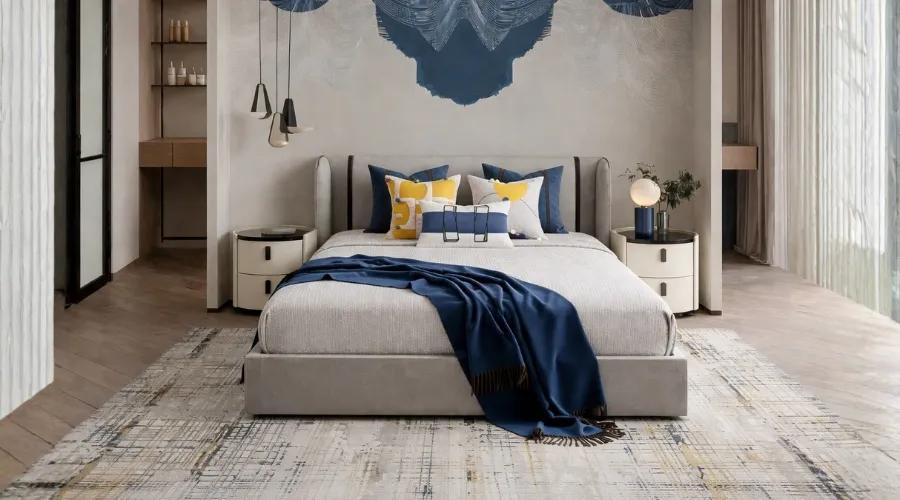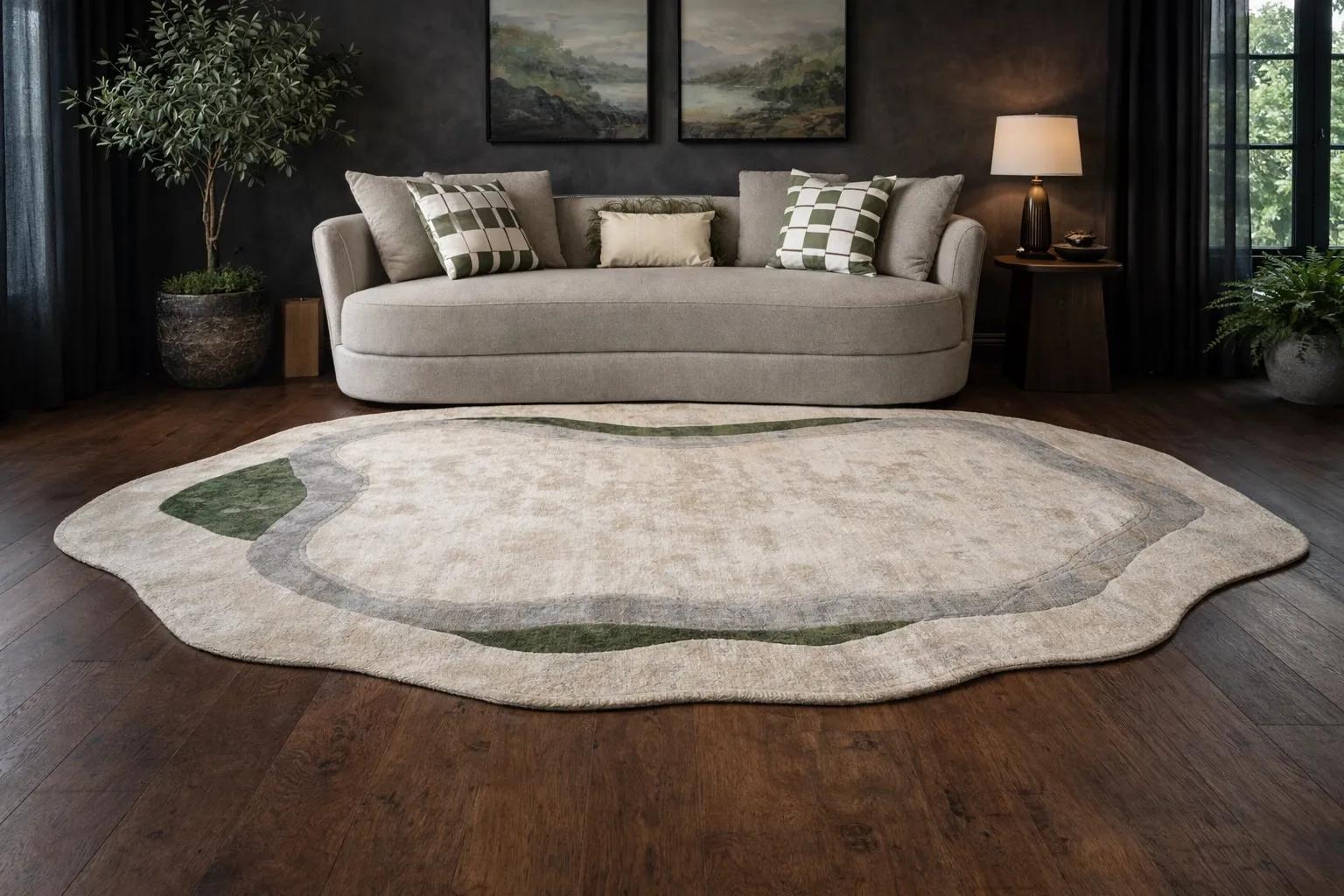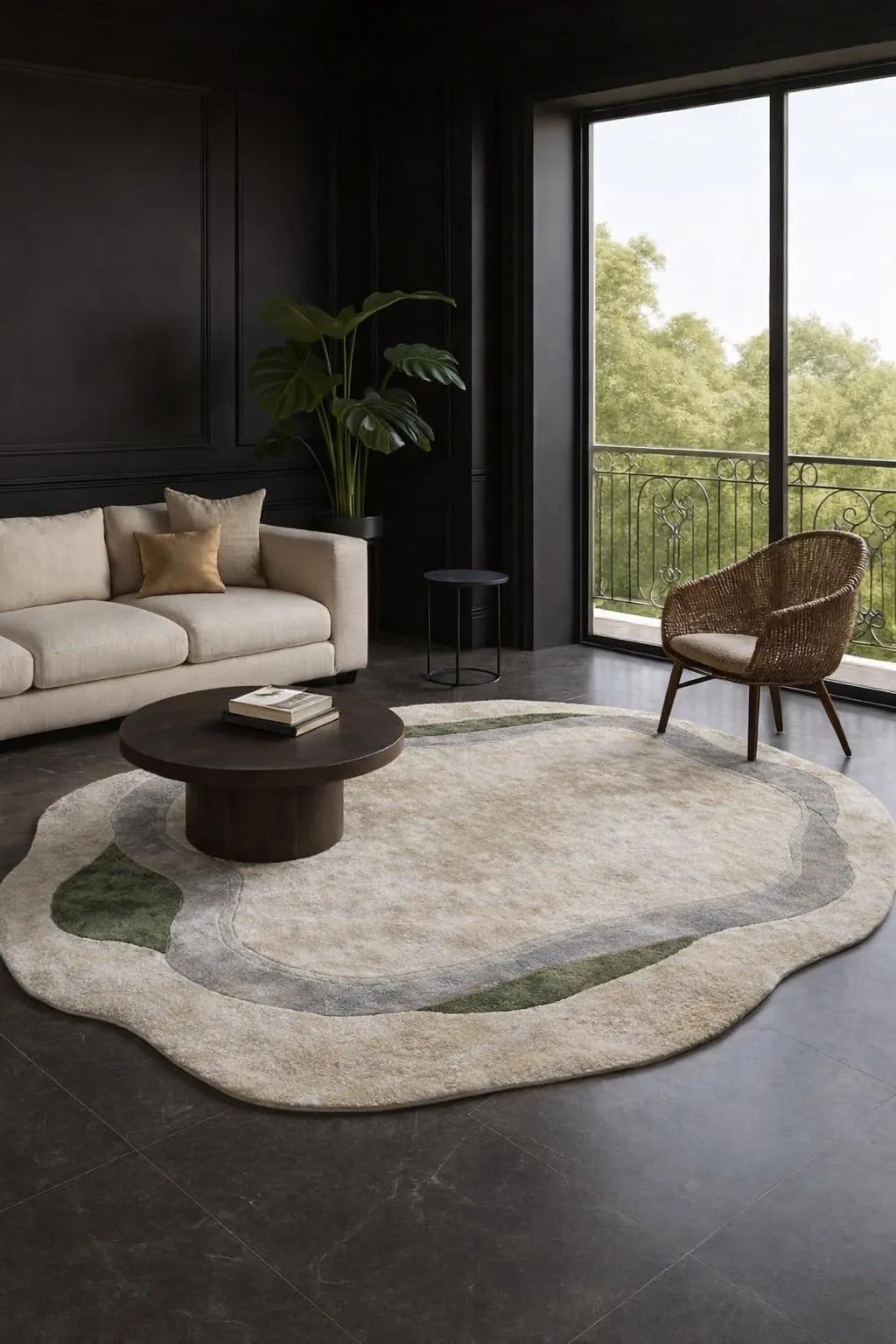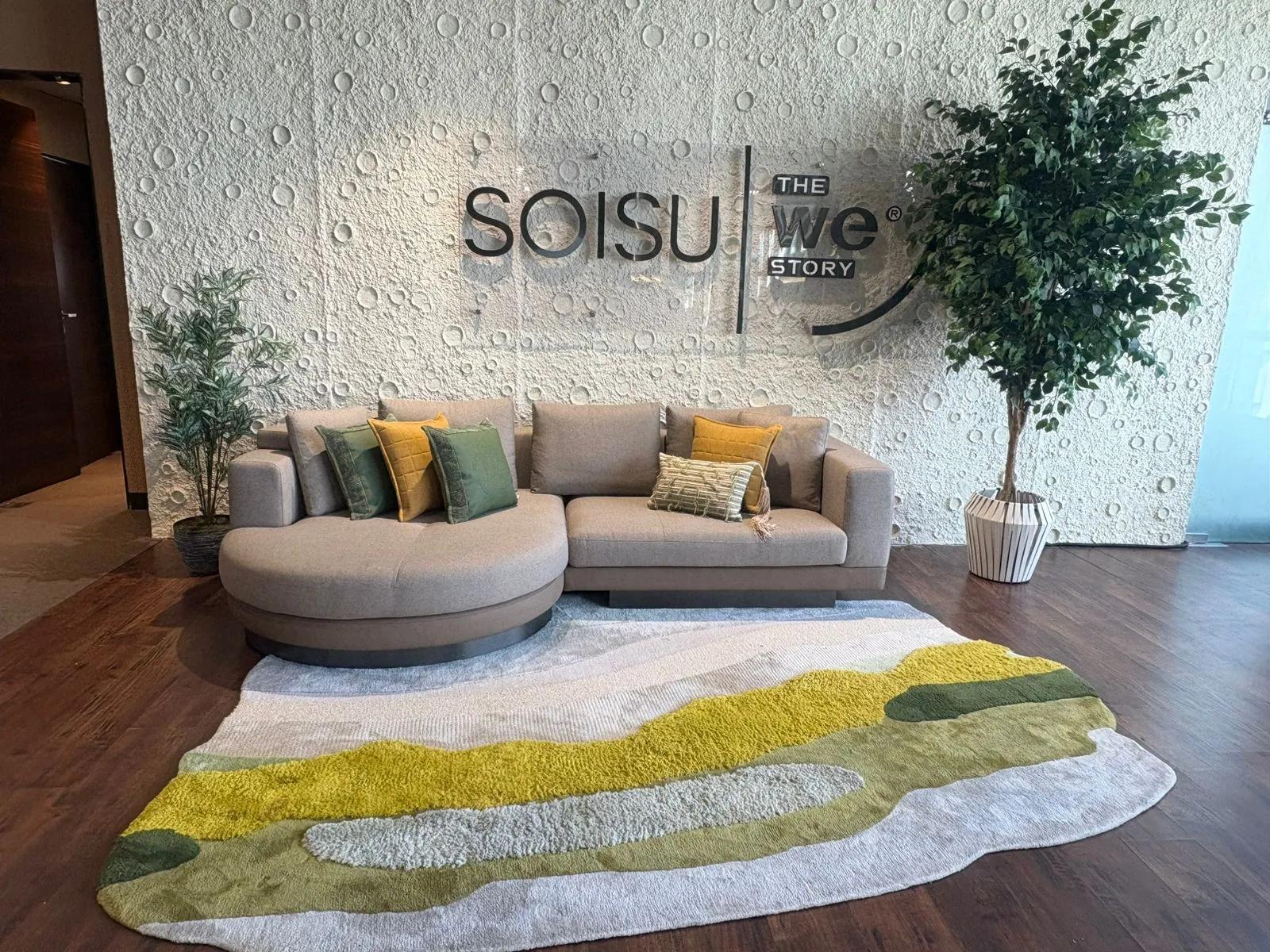
SOISU is not a factory, and we have stopped pretending otherwise. We are a design curation studio in Prabhadevi, Mumbai, and the work we actually do — the work this article explains — is choosing. Choosing which design directions from Milan, Copenhagen and the Japandi conversation deserve a place in an Indian living room, choosing materials that tell the truth about themselves, and choosing, piece by piece, what is good enough to ship. World design, curated for Indian homes. Here is what that means in practice.
Where the designs come from
Every collection starts with looking, and we look in three places.
The Italian direction
Italian interiors are built on material warmth — velvet that catches lamplight, washed linen with weight, colours pulled from plaster and terracotta rather than a trend forecast. We follow what the Milanese design fairs and the better Italian houses are doing each season, not to copy pieces but to understand proportions and palettes. When a deep olive velvet cushion in a 50-centimetre cut keeps appearing in rooms we admire, that observation becomes a brief.
The Scandinavian direction
Scandinavian design solves a problem Indian apartments share: how to make a compact space feel calm. The answer is restraint — pale tonal palettes, texture instead of pattern, one good throw instead of five competing accents. We track the Copenhagen and Stockholm studios for exactly this discipline, then test whether their oatmeals and fog greys survive contact with sheesham furniture and warm-white Indian walls. Most do.
The Japandi direction
Japandi — the now well-established marriage of Japanese restraint and Scandinavian warmth — supplies our quietest pieces: low-contrast weaves, natural textures, nothing that shouts. It is the direction we curate most carefully, because the line between serene and bland is thin, and crossing it is a question of getting the texture right.
A design direction becomes a SOISU brief only when it answers a practical question well: will this work in a fan-cooled room in May, against dark wood, under Indian light. Plenty of beautiful European pieces fail that test. They stay in Europe.
Honest materials, chosen on purpose
The second act of curation is the material decision, and this is where we are deliberately plain-spoken.
Our cushion covers and bed linen are soft cotton and cotton blends, selected for how they wash in Indian water as much as for how they feel. Our throws are soft cotton, faux fur and wool blends — chosen because a pure-wool throw spends ten months of the Indian year folded in a cupboard, while a wool blend earns its place on the sofa arm from October to February and survives the washing machine in between. Faux fur gives the deep-pile softness people actually want from a winter throw, without the care anxieties of the real thing.
Our carpets are precision machine-loomed, with a couple of hand-finished exceptions in the range. We say this openly because the machine-loomed carpet is, for most homes, simply the better buy: the loom renders intricate patterns with perfect consistency, the construction handles Indian dust and wet-mopped floors gracefully, and the price does not demand a ten-year commitment to one room. A hand-knotted carpet is a wonderful object, and if you want one we would encourage you to buy it knowingly, from someone who specialises in them. What we promise is different — that the machine-loomed piece you order is well-constructed, honestly described and exactly what arrives at your door.
Sampling and the Prabhadevi standard
Between a brief and a product sits the part of our work nobody photographs: sampling. Candidate pieces come into the Prabhadevi studio and get lived with. Cushion covers are washed the way a Mumbai household would wash them — machine, hard water, balcony drying — and inspected afterwards for shrinkage, colour shift and seam behaviour. Throws are checked for pilling and weight. Carpet samples are checked for pile density, edge binding and backing quality.
Most candidates do not make it. The ones that do are approved against a reference sample, and that sample stays in the studio so every later production lot has something to be measured against.
Quality check, then a photograph
The final discipline is the one our customers see the least and benefit from the most. Every order — every cushion cover, every throw, every carpet — passes through quality check at Prabhadevi before dispatch. Seams, zips, weave evenness, colour match against the reference, edge binding on carpets. Then the piece is photographed, as your actual piece, before it goes into the box.
That photograph does two things. It gives you a record of exactly what left us, which makes any later conversation about damage or discrepancy short and fair. And it keeps us honest internally — a QC process that ends with a photograph is a QC process that cannot be quietly skipped.
What curation buys you
The honest answer to "why buy from a curator rather than a maker" is editing. The world produces more home textiles than anyone could ever sort through. Our job is to have done that sorting — to have followed the design conversations in Italy, Scandinavia and the Japandi school, rejected what will not survive an Indian home, insisted on materials described accurately, and checked the individual piece before it ships.
You could do all of that yourself. The point of SOISU is that you should not have to.