Festival · 6 min read · 23 Feb 2026
The Diwali Home Decor Checklist: Textiles First
A Diwali home decor checklist that starts with textiles — entrance, living room and pooja corner, with a realistic under-₹15,000 budget for Indian homes.
By the SOISU studio
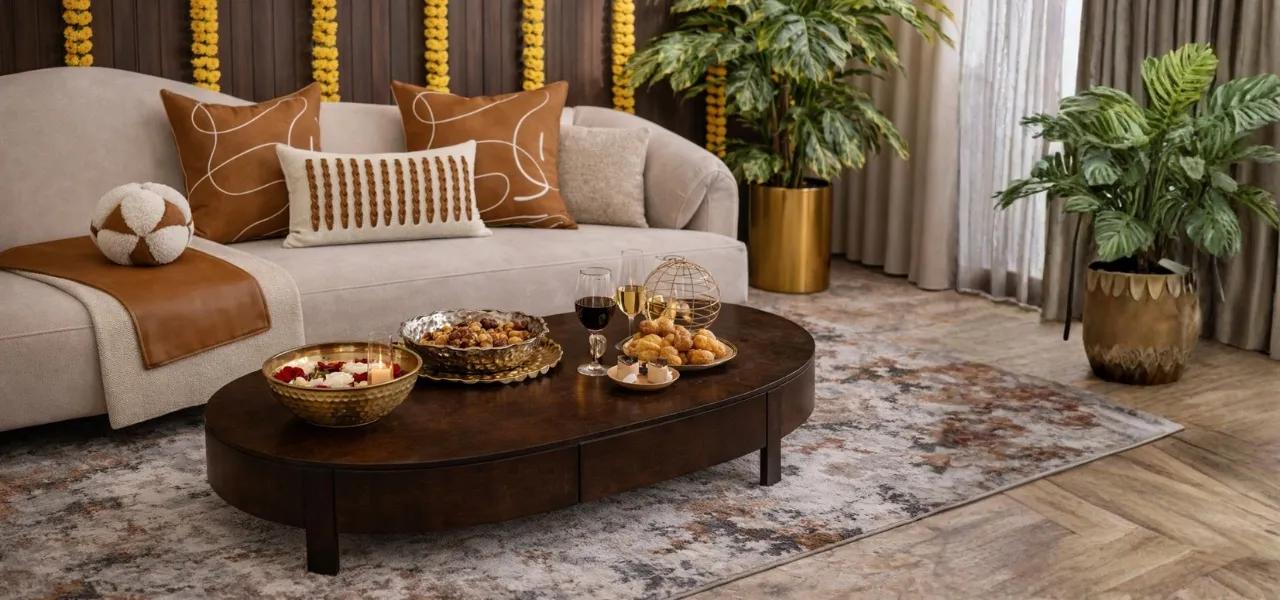
Every Diwali home decor checklist seems to begin with fairy lights and end with a dent in the budget that outlasts the festival by months. We would suggest a different starting point. Lights come down in November; a good cushion cover, a runner, a throw stay in the room all year. If you plan the festive refresh around textiles first, the house looks considered rather than decorated — and almost everything you buy keeps earning its place long after the diyas are packed away. Here is the checklist we use, room by room, with a realistic budget attached.
Start three weeks out, not three days
The deep clean is the unglamorous first item on any honest Diwali list, and it is worth doing before a single new thing enters the house. Wash or dry-clean the existing curtains, beat the rugs, launder the cushion covers you are keeping. Two reasons: new textiles look better against a clean room, and you will discover what actually needs replacing rather than guessing in a shop. Order anything made-to-order at this stage — pieces made to order rather than pulled off a warehouse shelf need time, and courier networks slow noticeably in the fortnight before the festival.
The entrance: the five-second impression
Guests form their opinion of a Diwali home roughly between the doorbell and the sofa, so the entrance gives you the highest return on the smallest spend.
- A new doormat or small flat-weave rug. Jute or cotton, in rust, ochre or deep red — the one place in the house where festive colour can be unapologetic.
- A console runner. If you have a table near the door, a woven runner under the diya and flowers turns a surface into a setting.
- The torans and marigolds you were going to buy anyway. They sit better against a textile base than against bare laminate.
Keep this zone warm-toned and let it be the brightest moment in the house; the rooms beyond can then stay calmer.
The living room: swap covers, not sofas
This is where most of the budget should go, because this is where everyone will sit for four hours after dinner.
- Cushion covers, not cushions. Keep the inserts, change the covers. Four to six covers in a festive register — terracotta, marigold, deep green, or an embroidered accent piece against plain cotton — change the room more than any single purchase under ₹10,000.
- One throw. Folded over the sofa arm in a colour picked from the cushions. October evenings justify it; the room's photograph demands it.
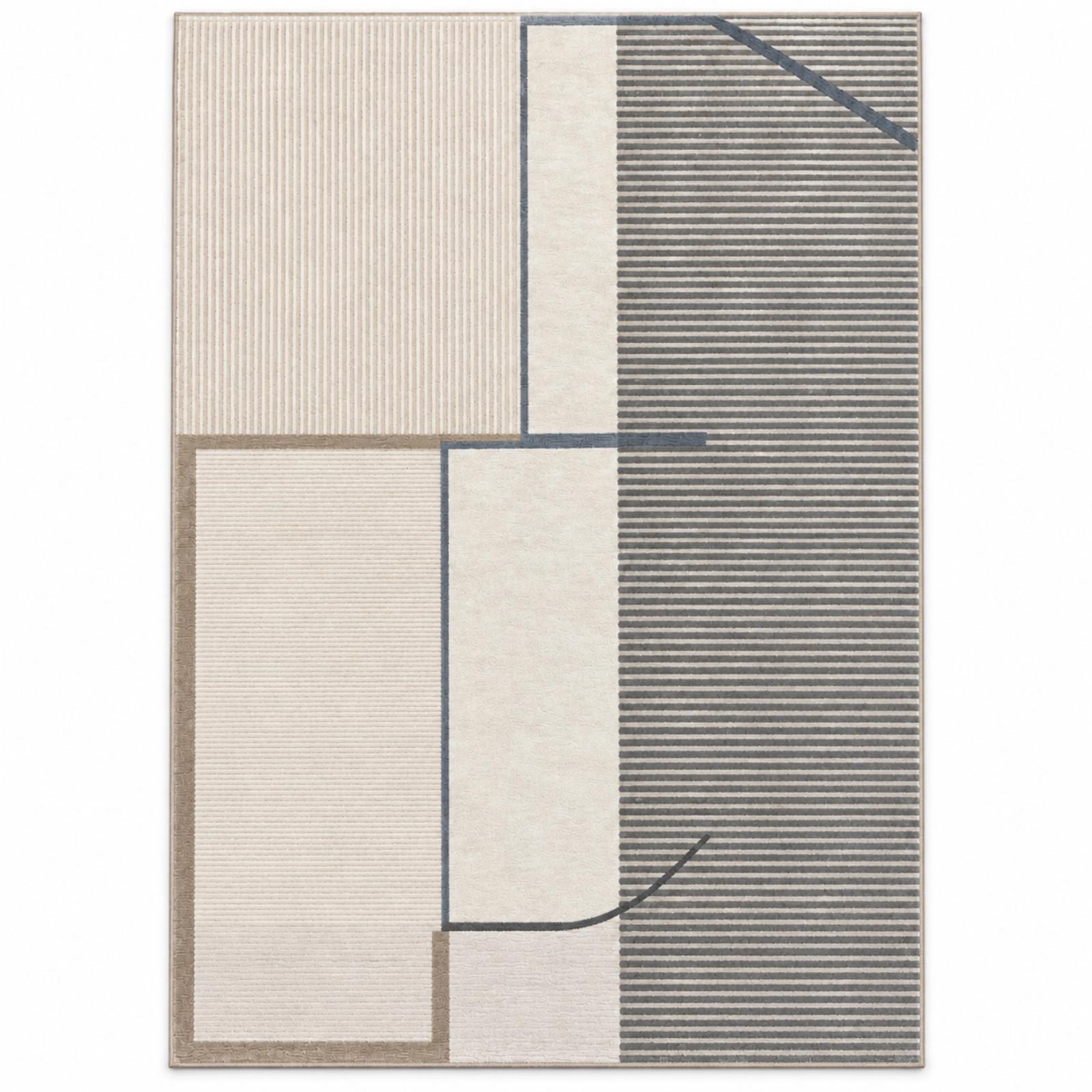
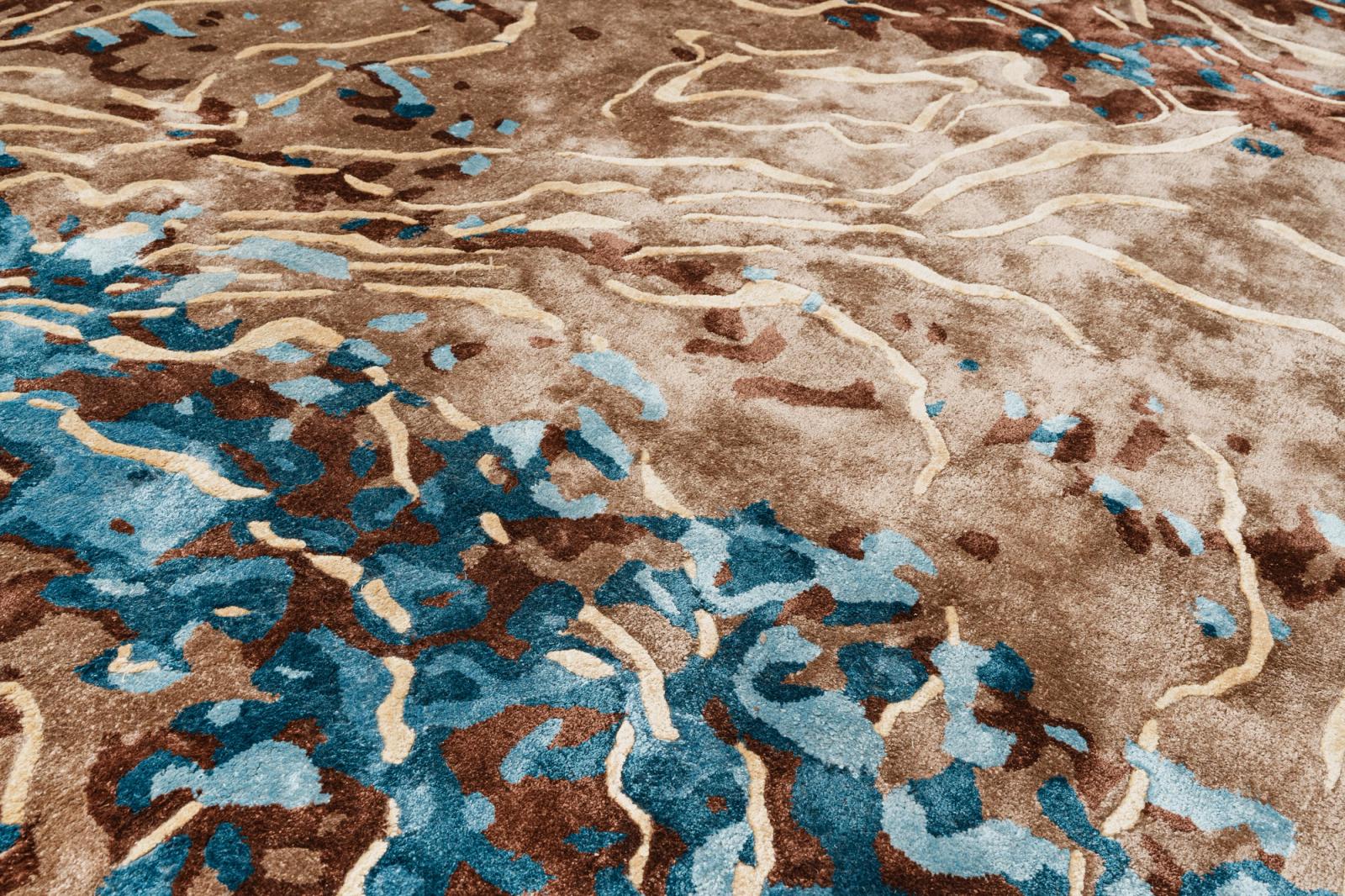
- A rug, if the floor is bare. This is the checklist's one larger item. A well-made wool-blend carpet anchors the seating area and is the piece you will still own in ten Diwalis. If the budget will not stretch this year, a cotton flat-weave does the visual job at a fraction of the cost.
- Edit before you add. Remove a third of what is currently on display. Diwali clutter plus everyday clutter is how rooms tip from festive into frantic.
The pooja corner: quiet, clean, cotton
The pooja space asks for restraint more than any other corner of the house. A fresh cotton or silk cloth for the mandir shelf, in red, saffron or cream. A small mat or aasan for sitting, washed or new. Brass polished, wicks ready, and nothing else added. The discipline here is to resist the shop display: one new cloth and gleaming metal read as devotion; six new accessories read as shopping.
The budget: under ₹15,000, honestly
A workable allocation for a two-bedroom flat, assuming the lights and diyas are carried over from last year:
Zone · Items · Approximate spend
Entrance · Doormat or small rug, console runner · ₹2,000–2,500
Living room · 4–6 cushion covers · ₹6,000–7,500
Living room · One throw · ₹2,500–3,000
Pooja corner · Mandir cloth, aasan · ₹1,000–1,500
Total · ₹11,500–14,500
Two notes on the arithmetic. Good cushion covers begin around ₹1,499, which is why six of them dominate the budget — they are also the line doing the most work. And if you add the rug, you cross ₹15,000; treat it as a separate, longer-term purchase rather than squeezing the rest of the list to afford it. Delivery is free on every order across India, so there is no shipping line to add.
The takeaway
Clean first, buy textiles second, lights last. Concentrate colour at the entrance, spend the core budget on living-room cushion covers and a throw, and keep the pooja corner to one fresh cloth. Everything on this list except the marigolds will still be in use next August — which is the quiet test of whether festive shopping was decorating or just spending.