Concepts · 7 min read · 09 Mar 2026
Scandinavian Design in Indian Apartments: Calm Without the Cold
Scandinavian design in Indian apartments: how to bring light woods, layered textiles and hygge warmth into a 1-3BHK without making it feel bare or clinical.
By the SOISU studio
Scandinavian design in Indian apartments has a reputation problem. Done badly, it produces rooms that look like furniture showrooms after closing time — white, sparse, faintly anxious about clutter, and entirely unconvinced that a family of four with school bags and tiffin boxes actually lives there. Done well, it produces something else: a calm, light-filled home where every object earns its place and the textiles carry the warmth. The difference lies in understanding what the Scandinavians were solving for, and translating it honestly for a 1, 2 or 3BHK with builder-beige walls and a dark dining table.
What the style is solving for
Scandinavian design grew out of long, dark winters and small urban flats. Its priorities follow directly: maximise light, keep furniture low and uncluttered so rooms feel larger, and compensate for the visual coolness with tactile warmth — wool, sheepskin, candlelight, the whole apparatus of hygge.
An Indian apartment shares the small-flat problem but not the light problem. We have light in abundance for most of the year. So the Indian translation shifts the emphasis: less about chasing brightness, more about creating visual quiet in homes that tend, by habit and inheritance, towards fullness.
The palette: warm white, wood, one colour
The classic Scandinavian scheme is a three-colour discipline:
- Base: warm white or pale greige — your existing wall colour will usually do.
- Wood: the Nordics use pale oak and birch; your sheesham or teak is darker, and that is fine. One consistent wood tone matters more than a light one. If your furniture is mixed, unify it with textiles rather than refinishing.
- Accent: one muted colour, used sparingly. Dusty blue, sage, ochre or a soft terracotta. Two cushions and a throw, no more.
Avoid pure stark white in Indian light. Under our strong sun it glares; under warm LED bulbs it goes grey. Warm whites and oat tones behave better in both.
Layered textiles, not bare surfaces
Here is the correction most people need: Scandinavian rooms are not empty. They are edited, and then layered with textiles. The bareness in photographs is usually the absence of small objects, not the absence of softness.
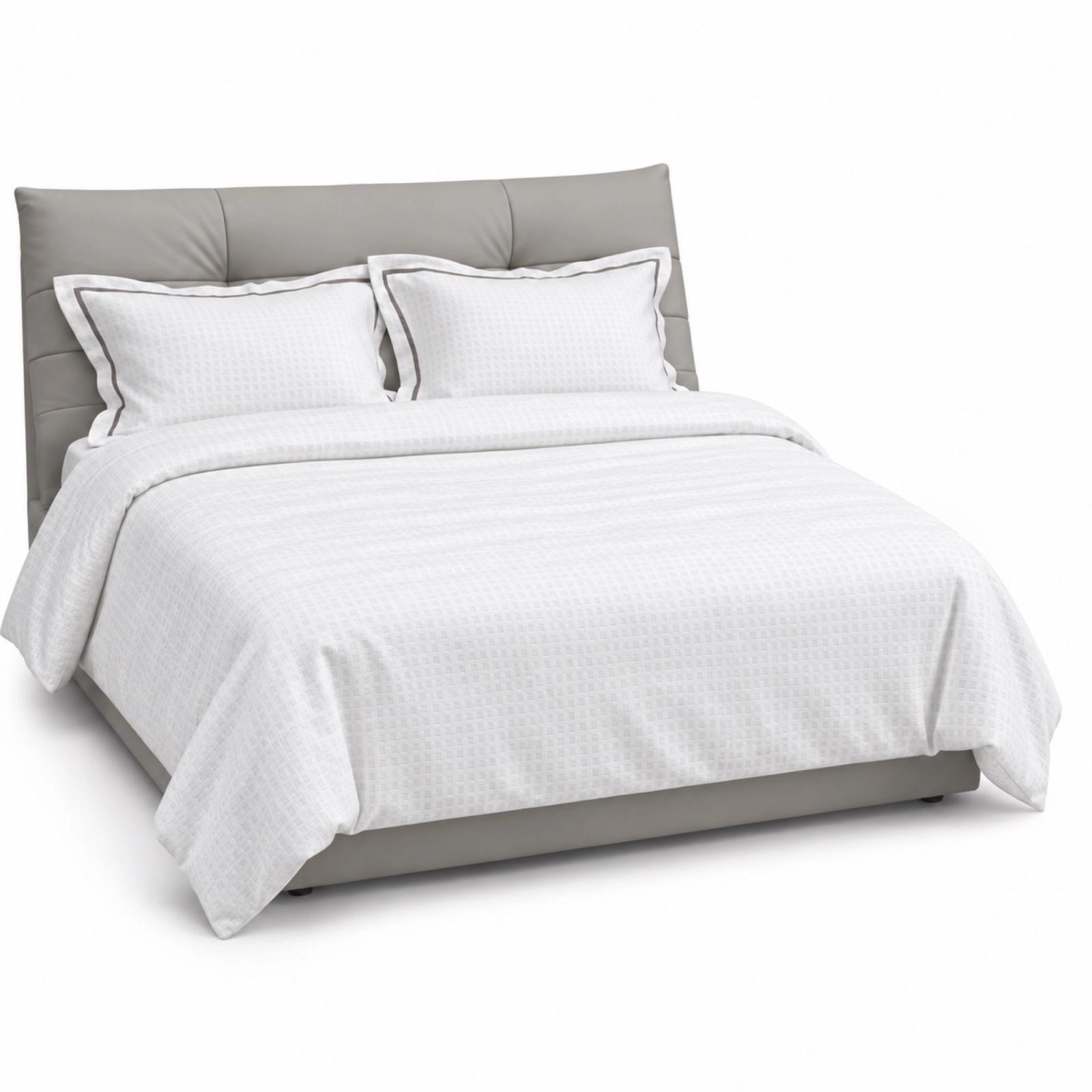
For a three-seater sofa, four cushions is the working number — two 20-inch in a textured neutral at the corners, two 18-inch in your accent colour inside them. Add one wool or cotton throw folded over an arm. On the bed, a tonal duvet set with two 24-inch euro shams behind the sleeping pillows gives the layered look without the hotel-style pillow excess.
Texture is the real currency. Chunky knits, slubby linens, brushed cotton, flatweave wool — the eye reads these as warmth even in a 34-degree May. SOISU's Scandinavian-line throws — soft cotton, faux fur and wool blends — are curated on exactly this logic: Nordic restraint in the design, honest materials that suit Indian rooms and Indian weather.
The rug as room-maker
In an open-plan living-dining apartment, the rug does the work that walls cannot. A few rules hold:
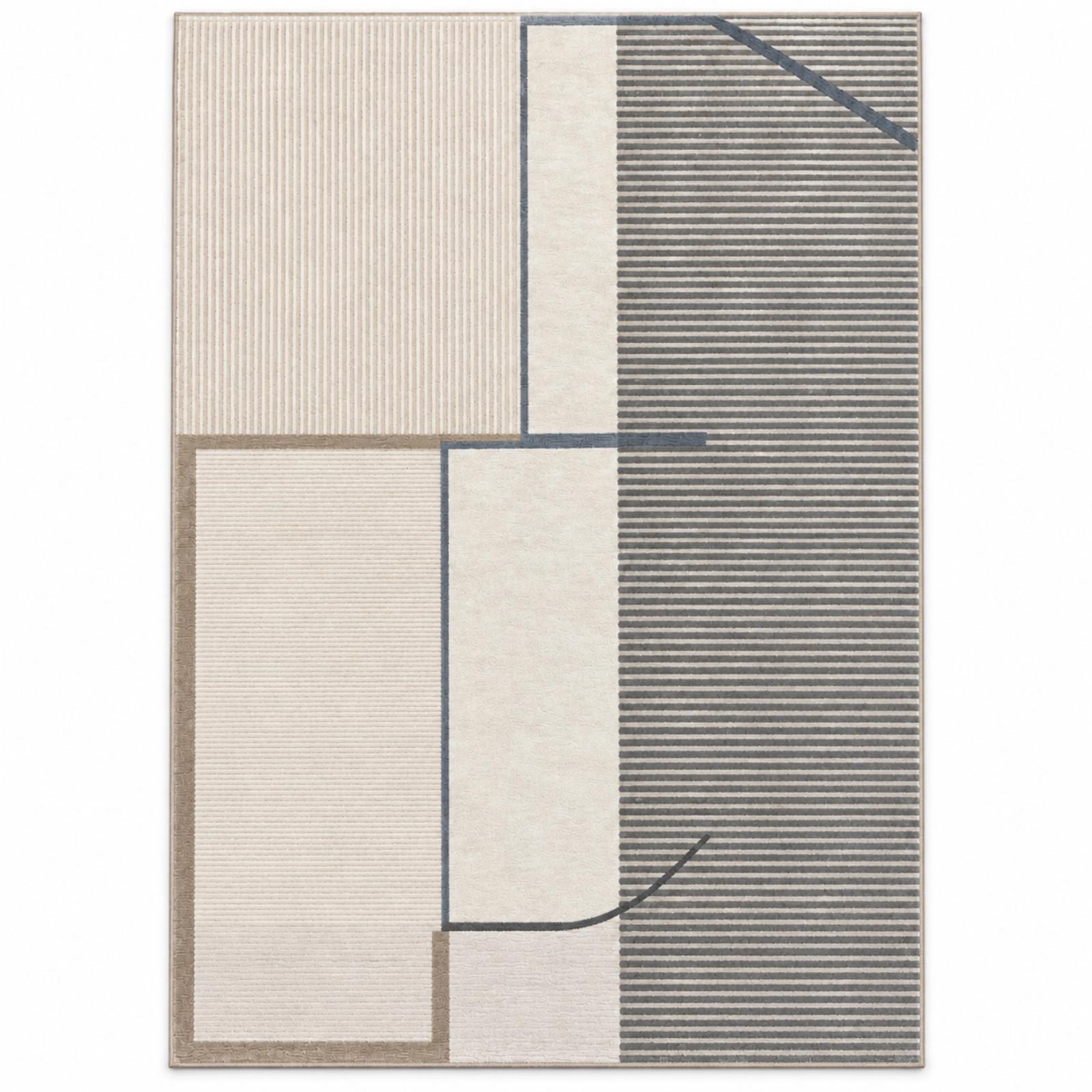
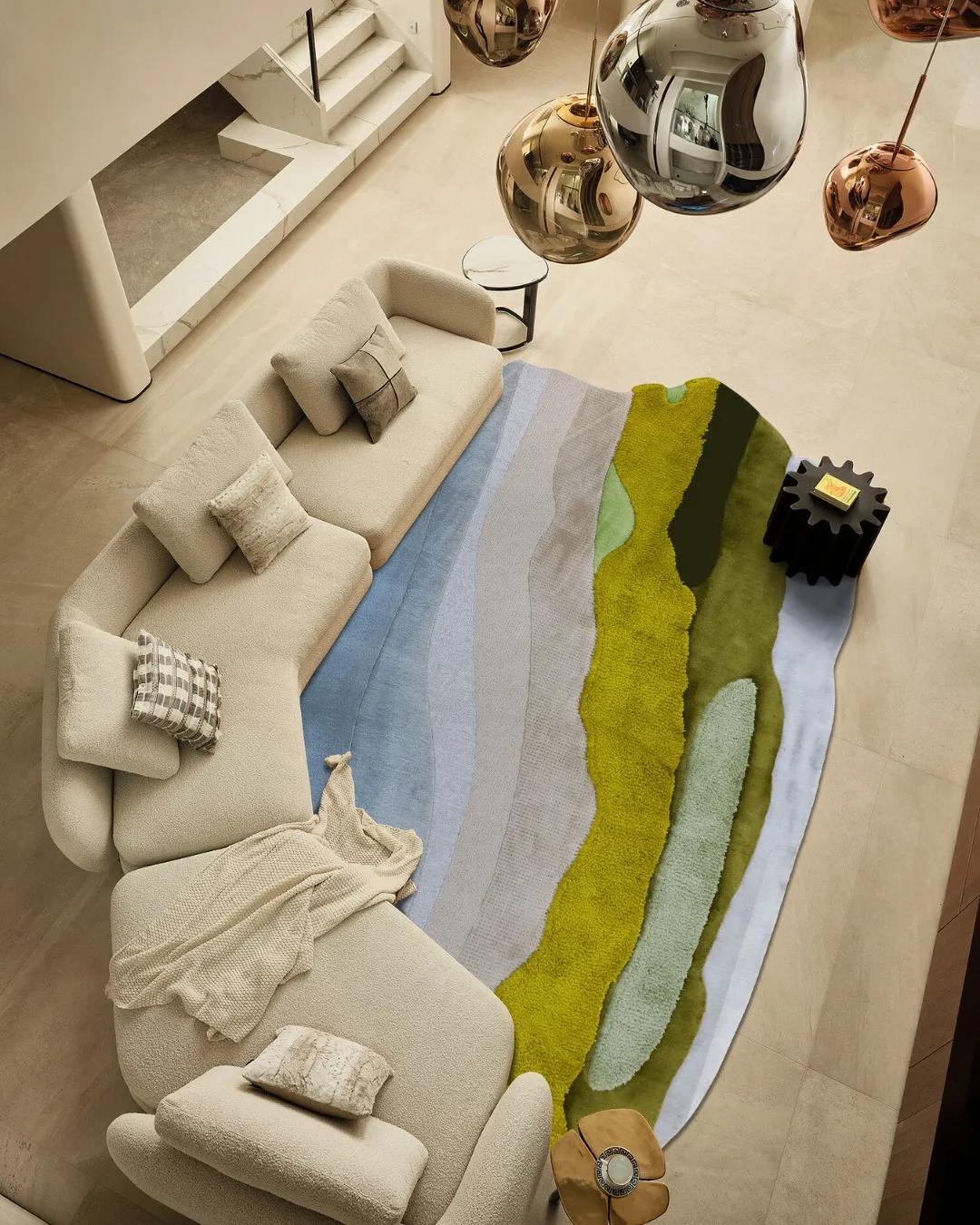
- Living zone: choose a 6×9 ft rug for most Indian living rooms; 8×10 ft if the room is genuinely large. Place it so the front legs of the sofa and chairs sit on the rug. A 5×8 ft floating in front of the sofa, touching nothing, makes the room look smaller, not bigger.
- Dining zone: a 6-seater table needs a 9×6 ft rug so that chairs stay on the rug even when pulled out. Anything smaller and chair legs catch the edge daily.
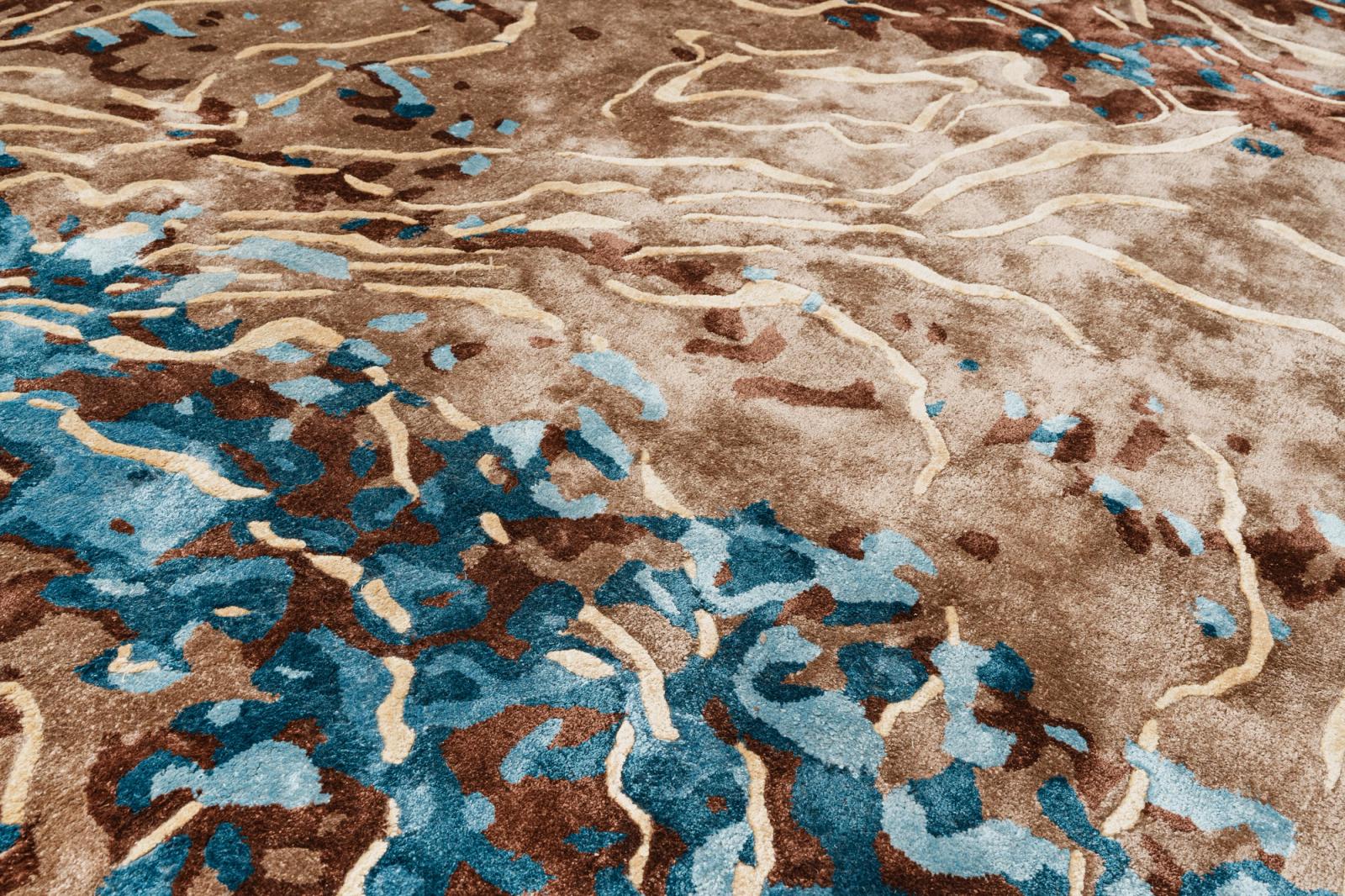
- Material: flatweaves and low-pile wool suit Indian dust and Indian summers. Save the high-pile for the bedside.
A pale, low-contrast rug under dark furniture is the single highest-impact Scandinavian move available to an Indian home. It lightens the floor, frames the wood, and quiets the whole composition.
Declutter like a Scandinavian, store like an Indian
The style demands clear surfaces, but Indian households genuinely have more in them — pooja items, pressure cookers, visiting-relative bedding. The answer is closed storage, generously planned, so the editing is sustainable. Baskets for remotes and chargers. One tray per surface, three objects per tray. The Scandinavian room is not a house with less stuff; it is a house where the stuff has addresses.
Calm is not the absence of things. It is the absence of things without a place.
The takeaway
Scandinavian design in an Indian apartment comes down to five decisions: keep your walls warm white and your woods consistent; commit to one muted accent colour; layer textiles deliberately — four cushions, one throw, tonal bedding; size the rug correctly, with front sofa legs on a 6×9 and a full 9×6 under the 6-seater dining table; and invest in closed storage so the clear surfaces survive contact with daily life. The cold, sparse version is a misreading. The real thing was always about warmth — it just expressed it in wool rather than colour.