Vaastu · 7 min read · 16 Feb 2026
Vaastu for the Bedroom: Directions, Colours and Textiles
Vaastu for the bedroom made practical — the right direction for the bed, colours for each room placement, and bedding, rug and throw pairings that follow both.
By the SOISU studio
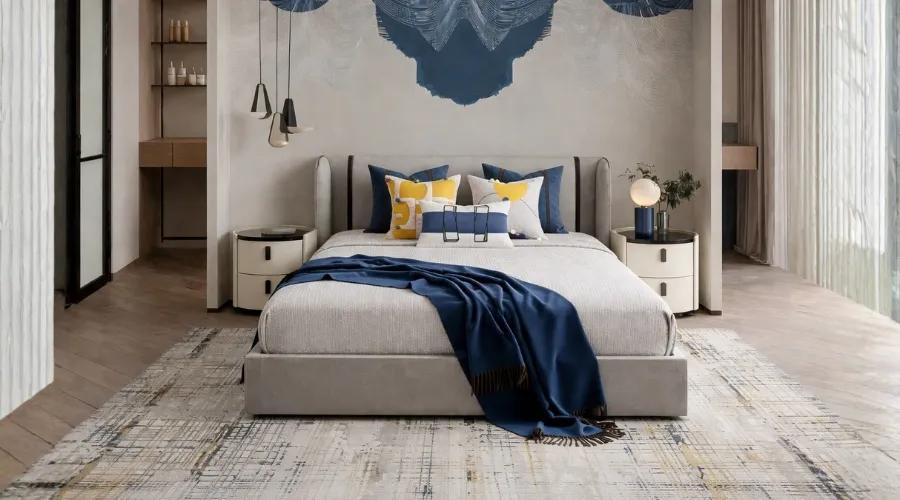
Vaastu for the bedroom is the area of the tradition most people actually follow, even those who would never describe themselves as believers. There is a reason for that. The bedroom is where the stakes of getting a room wrong are felt most directly — in sleep, or the lack of it — and Vaastu's bedroom guidance, once you set aside the more elaborate claims, is largely a set of sensible observations about orientation, light and restfulness. This guide takes that practical reading and pairs it with the textiles that do most of the visual work in a bedroom: bedding, rugs and throws.
The master bedroom and the south-west
The most consistent instruction in Vaastu Shastra is that the master bedroom belongs in the south-west of the home, with the head of the bed against the south or west wall. The south-west is the direction of the earth element — weight, permanence, rest.
The practical case is easy to make. A south-west room receives the strong afternoon sun on its outer walls, not through the windows you sleep beside, so it is dimmer and quieter by evening. Sleeping with your head to the south or east and your feet pointing north or west also means you are not facing the door directly — an arrangement that most people, across cultures, simply find more restful.
If your bedroom is not in the south-west, the tradition does not ask you to move house. It asks you to bring the qualities of the south-west — groundedness, warmth, weight — into the room. Textiles are the most direct way to do that.
Colours by bedroom placement
Vaastu assigns the bedroom a narrower palette than the living room, and almost everything it recommends sits in the low-saturation range that sleep research also favours.
- South-west bedrooms: earth tones — beige, taupe, soft browns, muted peach. The room's natural register; lean into it.
- North-west bedrooms: often suggested for guest rooms — light greys, off-whites, the gentlest blues.
- East or north bedrooms: pale greens and whites, keeping the morning light soft rather than glaring.
- Across all directions: large fields of red, black and very dark grey are discouraged in sleeping spaces. Whatever one's view of the elemental reasoning, high-arousal colours in the room where you are trying to wind down is an argument colour psychology settled long ago.
The pattern is unmistakable: warm, quiet, natural. It is, almost line for line, the Japandi bedroom palette.
Building the bed: a Vaastu-aligned layering
The bed is four-fifths of the bedroom's visual field, so this is where direction-wise colour actually lands.
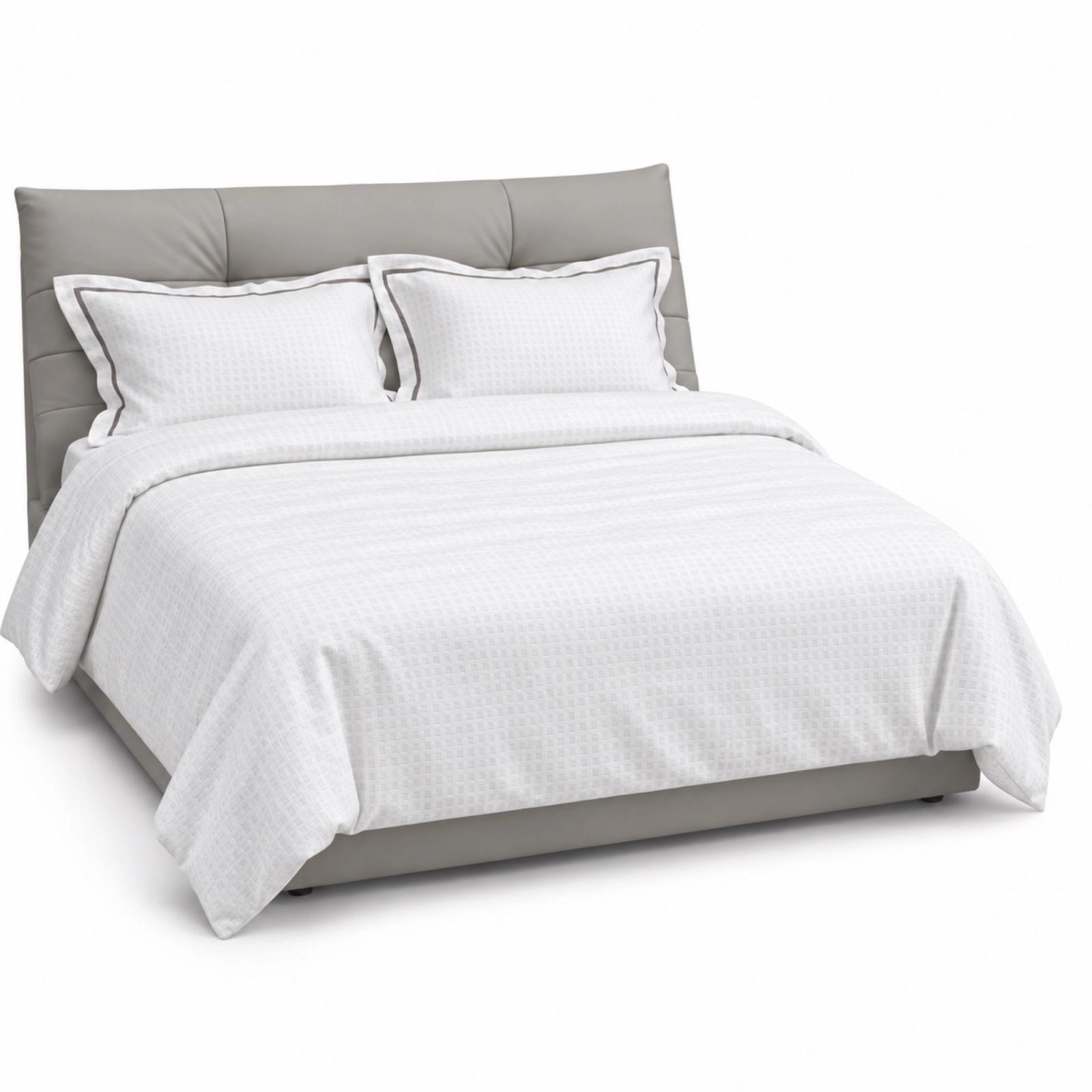
- Base layer. A white or ivory cotton or linen bedsheet, whatever the room's direction. Vaastu treats white as universally acceptable in bedrooms, and a pale base makes every layer above it easier to change with the seasons.
- Duvet or razai cover. This carries the directional colour — oatmeal or taupe for a south-west room, fog grey for the north-west, sage for an east-facing room. Soft, matte-finish cotton takes these muted tones particularly well.
- Cushions and bolsters. Two to four pieces, one step deeper than the duvet — clay against oatmeal, slate against fog. This is also where a single piece of pattern, an embroidery or a quiet stripe, can sit without unsettling the room.
- The folded throw. A wool or cotton throw across the foot of the bed adds the visual weight the south-west direction calls for, and is the first thing you reach for when the air conditioning overshoots.
Underfoot and at the window
Vaastu's preference for natural materials in the bedroom — cotton, wool, silk over synthetics — is one of its most defensible positions. Natural fibres breathe, which matters when you spend eight unconscious hours against them in an Indian summer.
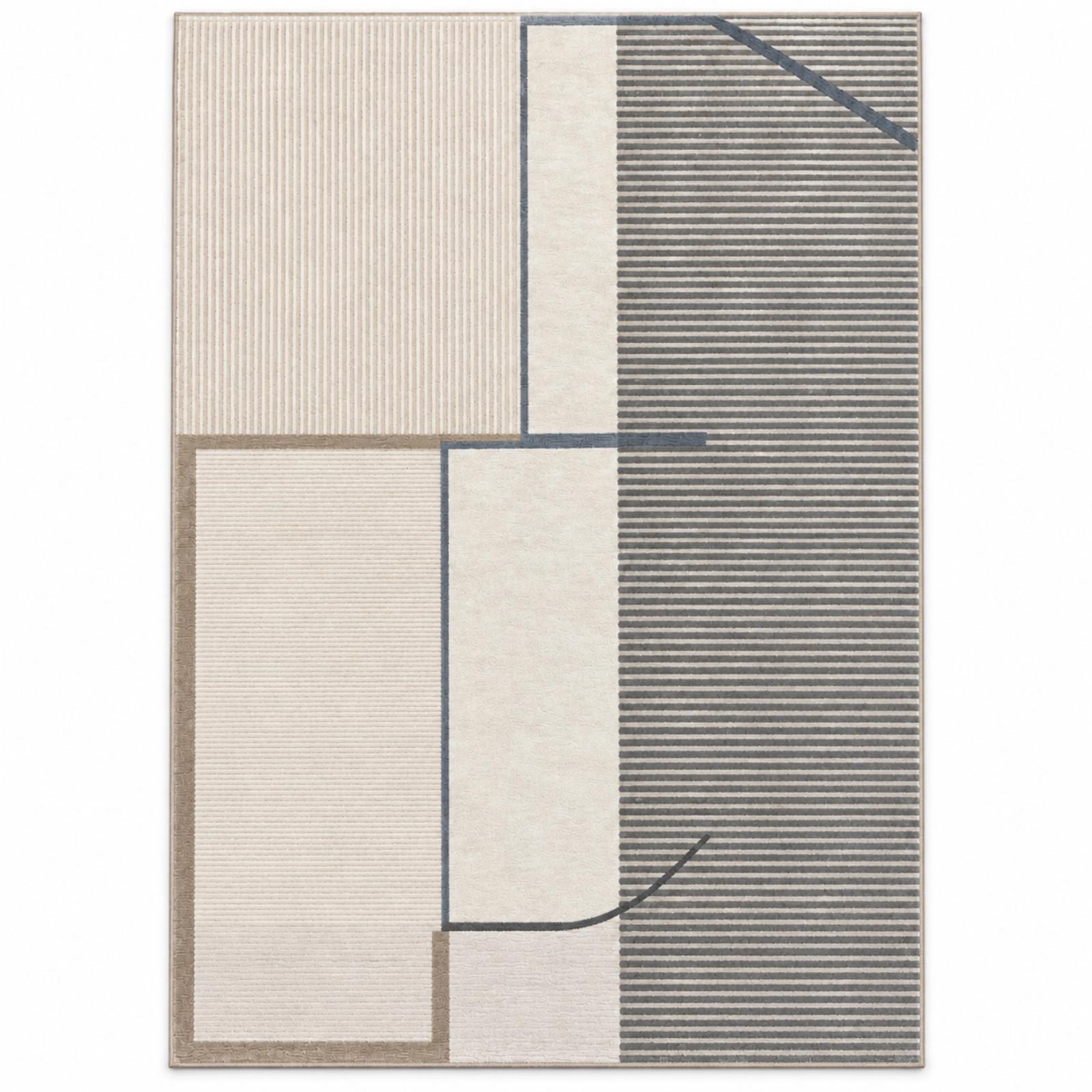
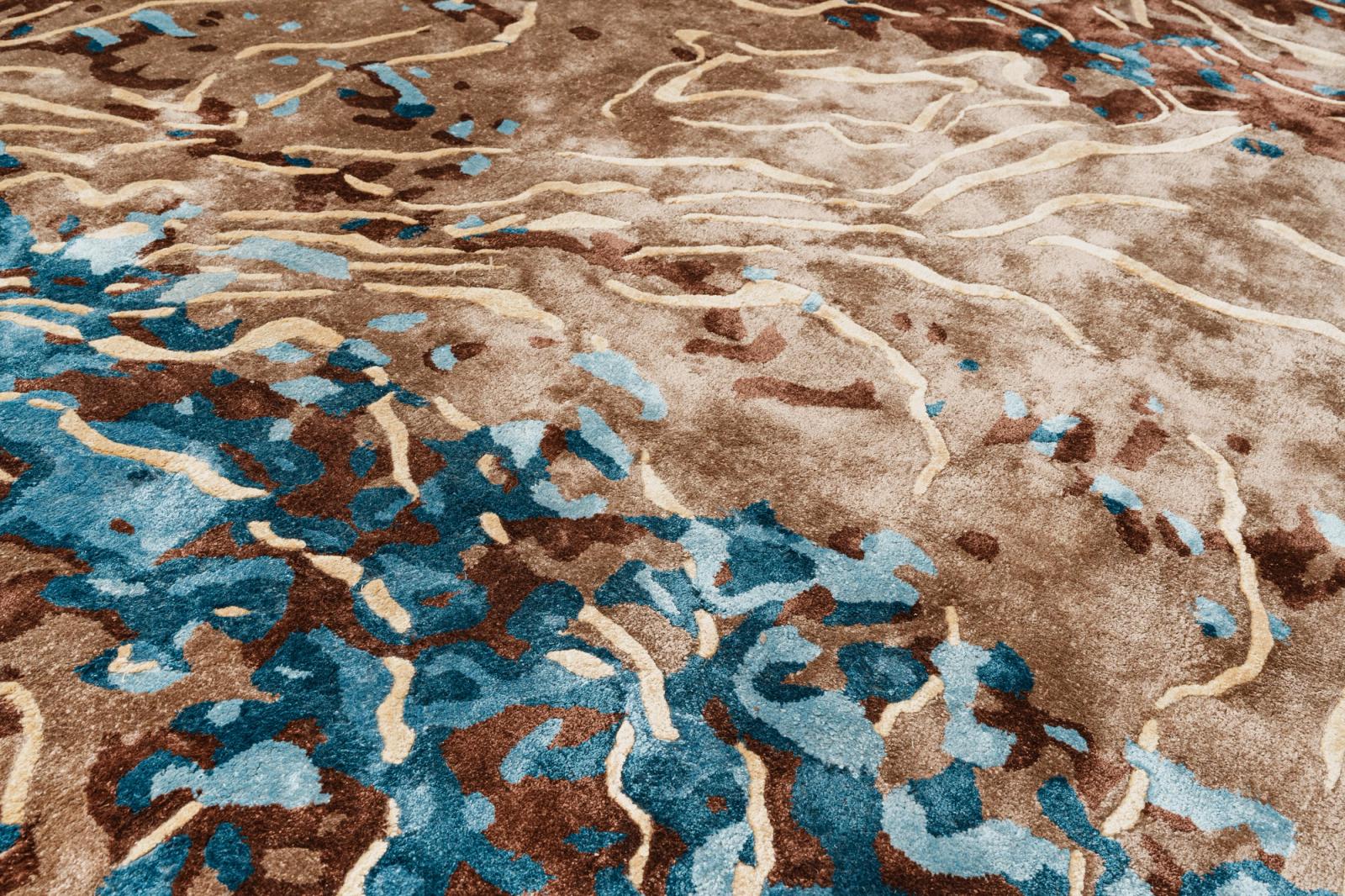
A wool or wool-blend rug beside or beneath the bed does two jobs at once: it adds the earth-element weight the tradition asks for, and it gives your feet something other than cold tile at six in the morning. Keep it in the room's palette, a shade deeper than the bedding. At the window, lined cotton curtains in a warm neutral filter light without blacking out the room entirely — Vaastu is generally against bedrooms that never see the sun, and so are most sleep specialists.
What to keep out
The tradition's list of bedroom exclusions reads, perhaps surprisingly, like a modern decluttering guide: no mirrors facing the bed, no storage of heavy clutter under it, no work materials in the sleeping area. The common thread is that the bedroom should hold as few competing demands on your attention as possible. A room with three textile colours, natural materials and clear surfaces is following Vaastu; it is also simply following good sense.
The takeaway
Put the bed against the south or west wall if the room allows it, choose a palette of warm earth neutrals with one deeper accent, and build it in natural fibres — cotton base, layered duvet, wool underfoot. Treat the dark, saturated colours as off-limits for large pieces. Vaastu arrived at these rules by observation over centuries; you can verify them in a fortnight of better sleep.