Concepts · 6 min read · 03 Oct 2026
Balcony Styling for Mumbai: Sun, Salt and Monsoon
Style a Mumbai balcony by its exposure, not its size. Pick materials that shrug off sun and salt, keep soft textiles portable, and have a plan for the four monsoon months before the first rain arrives.
By the SOISU studio
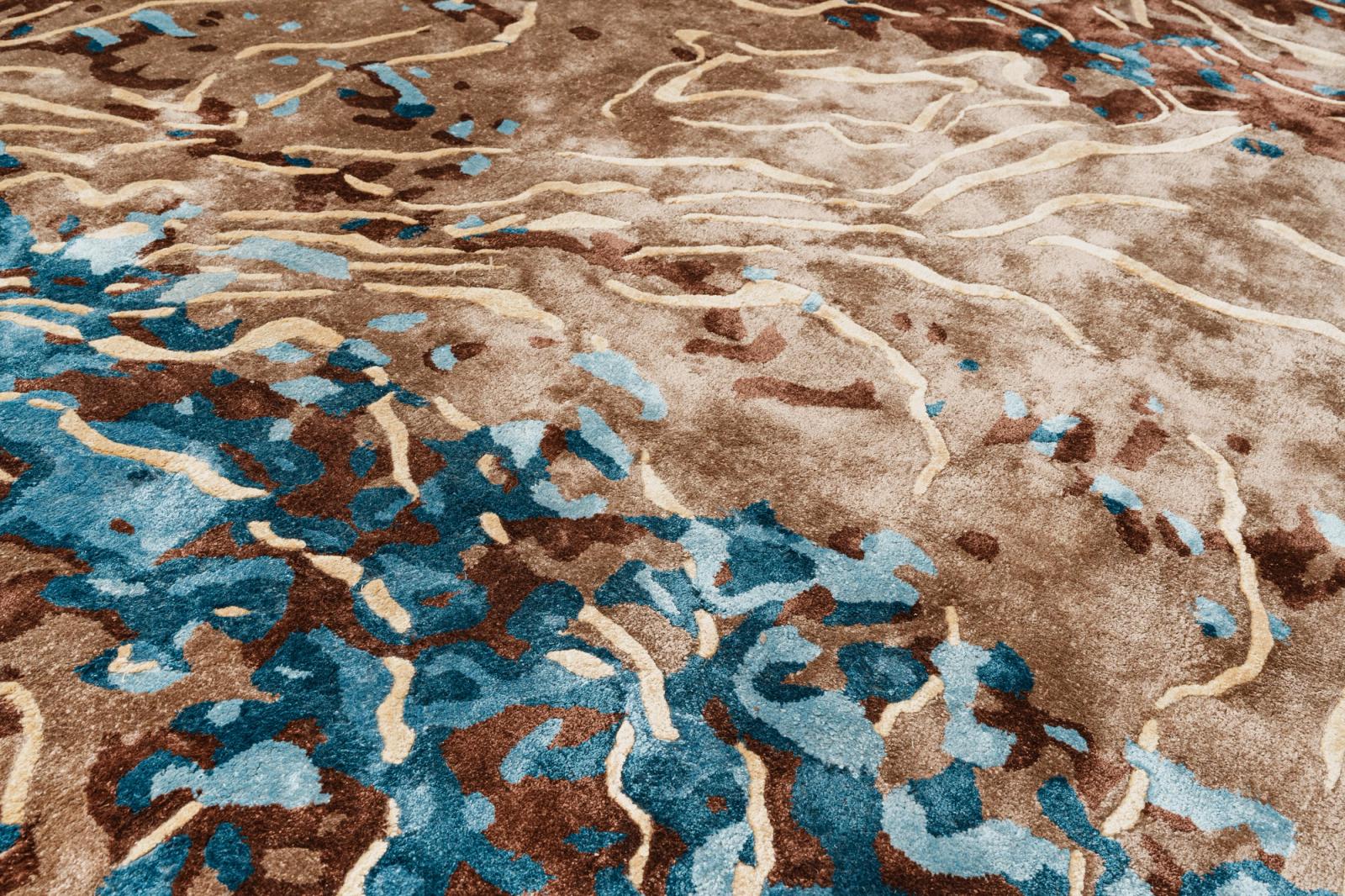
A Mumbai balcony works best when you style it around exposure first and looks second. Decide how much direct sun, salt air and driving rain the space actually gets, choose hard materials that can live with that, and treat rugs and cushions as things that come and go with the weather. Do that, and a small balcony can stay usable for most of the year rather than turning into a storage ledge.
Start with an honest exposure check
Before buying anything, spend a week watching the balcony. Most Mumbai balconies fall into one of three types.
- Open and sea-facing. Full sun for part of the day, salt in the air, wind-driven rain in the monsoon. The toughest case.
- Open but sheltered. A deep overhang or a neighbouring building cuts the sun and rain, but humidity is still high.
- Enclosed or grilled. Glass sliders, a grille with a mesh, or a balcony already absorbed into the living room. This behaves almost like an indoor room.
Note where the afternoon sun lands, where water pools after a heavy shower, and which corner stays dry. That dry corner is where your softest pieces will live. If your balcony has been enclosed, you can style it much like any small room, and our guide to making a small room look bigger applies almost directly.
Materials by exposure
The frame of the balcony — seating, tables, planters — should be chosen for the worst week of the year, not the best.
- Open, sea-facing — Seating and tables: Powder-coated metal, teak or sheesham with a good exterior finish, synthetic cane — Floor textiles: Outdoor polypropylene mat, or nothing in monsoon — Cushions and throws: Outdoor-fabric covers only, or bring everything in daily
- Open, sheltered — Seating and tables: Metal, cane, treated wood — Floor textiles: Flat-weave dhurrie in dry months — Cushions and throws: Regular covers in dry months, stored away in monsoon
- Enclosed or grilled — Seating and tables: Anything you would use indoors — Floor textiles: Flat-weave or a low pile rug — Cushions and throws: Full indoor styling
A few general notes on materials for coastal air:
- Untreated iron rusts quickly near the sea. Look for powder-coated or galvanised finishes, and touch up chips before the monsoon.
- Natural cane and rattan dislike standing water. Keep them under cover and wipe them dry after a humid spell.
- Solid wood needs an exterior-grade finish and should sit on small feet or pads so it is not in contact with wet tiles.
- Terracotta and glazed ceramic planters handle salt well; unglazed pots will show white salt marks over time, which many people like.
Flat-weave dhurrie or outdoor rug?
This is the question most people get stuck on, and the answer depends almost entirely on exposure.
Choose an outdoor rug (usually polypropylene or a similar synthetic) if the balcony is open and you want something that stays down year-round. These are made to be hosed off and dried in the sun. They are less soft underfoot and can look a little flat, so pick a woven texture or a muted pattern.
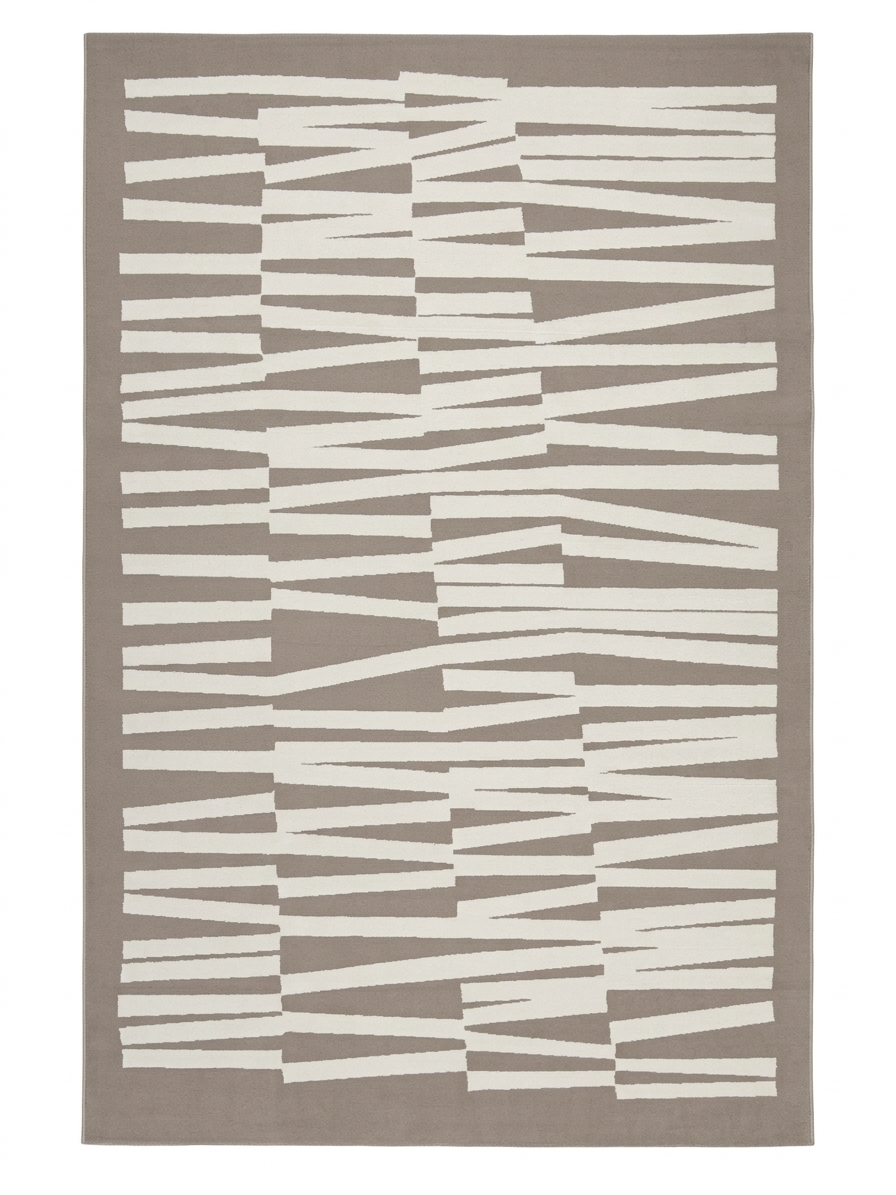
Choose a flat-weave dhurrie if the balcony is sheltered or enclosed and you are happy to roll it up when the weather turns. A dhurrie is light, low, easy to shake out and dries faster than a pile rug. It also reads as warmer and more "home" than most outdoor mats.
Avoid pile rugs on open balconies. A thick pile holds moisture, collects grit, and takes a long time to dry in Mumbai humidity. On an enclosed balcony a low pile rug is fine.
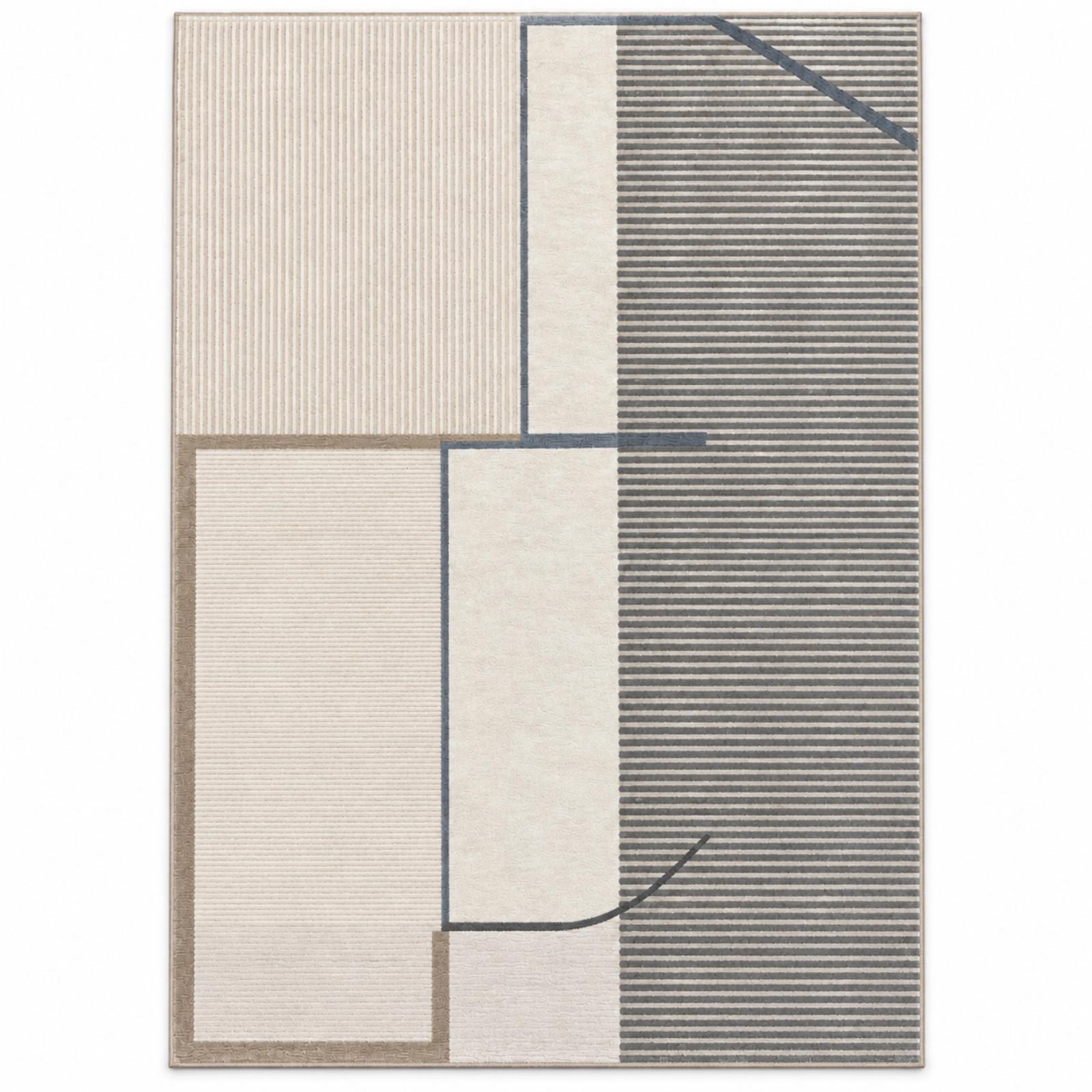
For sizing, keep it modest. On a narrow balcony, a rug that leaves a visible border of floor on all sides makes the space look deliberate rather than cramped. The rug should comfortably take the front legs of your seating, or all of it if the piece is small. Our rug size guide explains the same logic for living rooms, and you can browse shapes and sizes in rugs, which run from roughly 4 × 6 ft upwards, plus a round option that suits a small bistro set.
On any smooth tile or marble, use a non-slip underlay. Wet feet coming in from the rain and a loose rug are a poor combination.
Cushion strategy: bring in or leave out
Cushions make a balcony comfortable, but they are also the first thing to suffer. Decide your approach up front.
The bring-in approach. Use ordinary cushion covers and a small basket or ottoman just inside the door. Cushions go out when you sit and come in when you leave. This lets you use the same covers as your living room, which ties the two spaces together. It suits sheltered balconies and anyone who uses the space daily at set times — morning tea, evening conversation.
The leave-out approach. Use covers made for outdoor use, with inserts designed to drain and dry. These can stay out through the dry season, though even outdoor fabric fades faster in strong Mumbai sun, so turn them occasionally.
A mix. Many people keep one or two hard-wearing seat pads outside and bring the decorative cushions in. This gives you a finished look in a minute.
For small balcony seating, a pair of 45 × 45 cm squares and one 30 × 45 cm lumbar is usually enough. More than that and a two-seater starts to look crowded. You can find both sizes in cushion covers; covers are sold without filler, so you can choose an insert that suits how you use the space.
A palette that survives the sun
Strong sun bleaches colour, and a balcony is seen from inside the room, so the palette should do two jobs.
- Echo the room it opens off. If your living room is warm neutrals with rust accents, carry the neutrals outside and repeat the rust in one cushion or planter. The balcony then reads as an extension rather than a separate space. Our colour palettes for Indian living rooms guide has combinations that translate well outdoors.
- Lean on colours that fade gracefully. Indigo, terracotta, olive, sand and off-white tend to soften pleasantly. Very bright pinks, reds and saturated blues can look tired after one season in direct sun.
- Let plants be the green. You rarely need green textiles on a planted balcony.
- Use pattern sparingly. One patterned piece — a dhurrie, or a single cushion — is plenty on a small balcony.
The monsoon plan
In Mumbai the monsoon is long enough that it deserves a proper plan, made in May, not in the middle of the first heavy downpour.
Before the rains
- Roll up dhurries and any indoor rugs. Make sure they are completely dry, then store them rolled (not folded) in a dry cupboard.
- Wash cushion covers and store them clean. Our guide to washing cushion covers covers the basics.
- Check drainage outlets and clear them of leaves.
- Touch up rust on metal furniture and re-oil or seal wood.
During the rains
- Keep only what can get wet: metal or synthetic seating, an outdoor mat if you want one, and planters.
- If the balcony is enclosed, keep textiles but watch for damp. Open the windows on dry days and let air through.
- A monsoon balcony can still look good. Group planters closer together, add a lantern, and keep one waterproof seat pad.
After the rains
- Wash the floor and let it dry fully before any rug goes back down.
- Air cushions and rugs in the sun for a few hours before returning them to use.
For more balcony basics, see our room-by-room decor FAQ.
Putting a look together
If you want a starting point, this simple set suits most sheltered Mumbai balconies:
- A compact two-seater or two chairs in powder-coated metal or cane
- A flat-weave dhurrie in sand or indigo, rolled up June to September
- Two square cushions and one lumbar, in colours taken from the living room
- A long throw folded over one arm for cooler evenings in December and January
- Three planters of different heights grouped in one corner
For finished room looks that you can borrow from, the Concept Shop shows complete combinations of rugs, cushions and throws.
The short version
- Style the balcony around its exposure: sea-facing and open, sheltered, or enclosed.
- Choose frames that can handle the worst week of the monsoon; keep soft textiles portable.
- Use a flat-weave dhurrie on sheltered balconies and an outdoor mat on open ones; avoid pile rugs outside.
- Carry the living-room palette outside and favour colours that fade gracefully in sun.
- Make the monsoon plan in May: dry, roll and store rugs and covers before the rains.