Concepts · 6 min read · 03 Oct 2026
Can You Layer Rugs? Rug-on-Rug and Rug-on-Carpet Guide
Yes, you can layer rugs. Use a large, flat, low-texture base such as jute or a flat-weave, then a smaller pile or patterned rug on top. Keep clear borders, and grip both layers on marble or tile.
By the SOISU studio
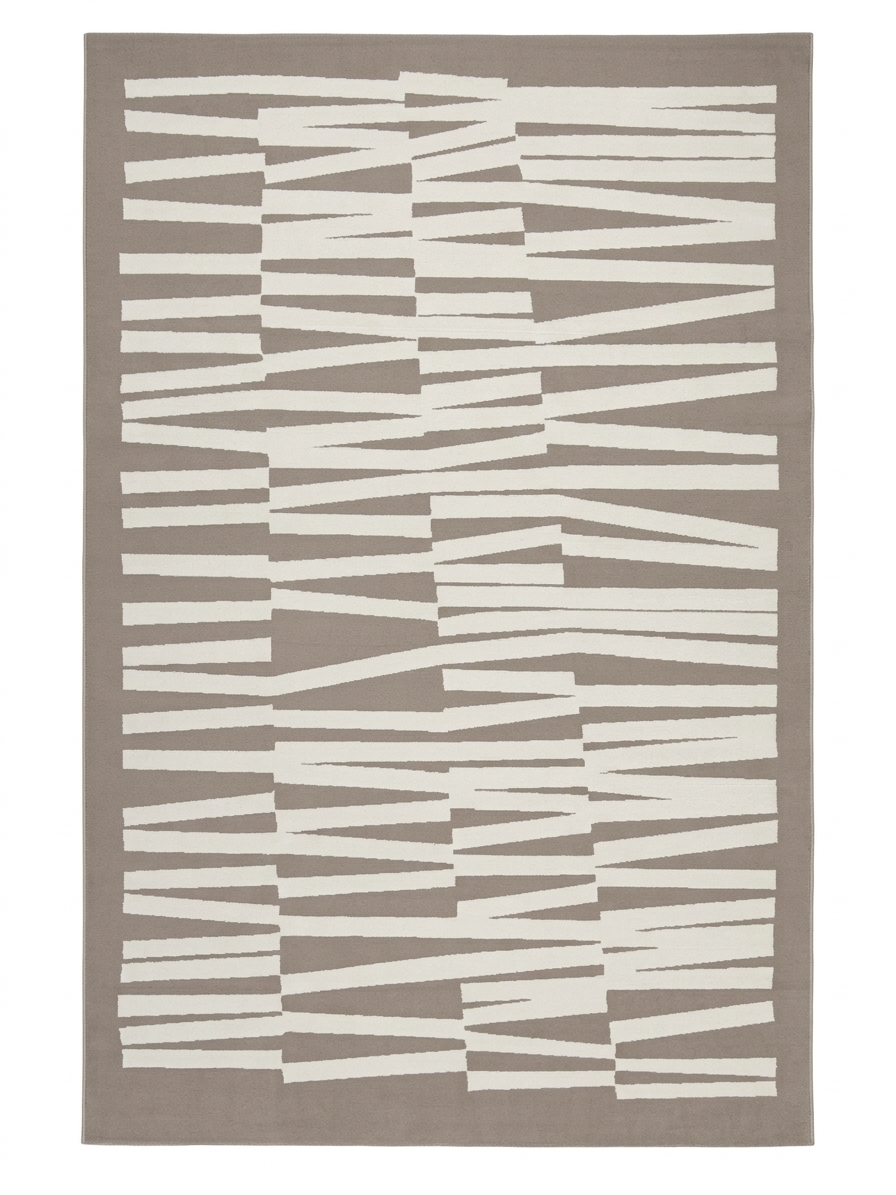
Yes, you can layer rugs, and it often looks better than a single rug. The usual approach is a large, flat, fairly plain base — jute, sisal-look or a flat-weave dhurrie — with a smaller pile or patterned rug on top, leaving an even border of the base showing. On marble or vitrified floors, the key is grip: both layers need to stay put.
Why layer rugs at all?
Layering is not just a styling trick. It solves real problems.
- Your favourite rug is too small. A beautiful 4 × 6 ft rug can look lost in a large living room. Placing it over a bigger, plainer base makes it read as the right size.
- You want texture without clutter. Two rugs of different weaves add depth to a minimal room without adding objects.
- You want to define a zone. In an open living-dining space, a layered rug marks the seating area clearly.
- You want to change the look seasonally. Keep the base down all year and swap the top rug for a lighter one in summer and a warmer one in winter.
- Rentals. Layering lets you cover a worn or unattractive fitted carpet without removing it. See our guide to decorating a rental without damage.
It also brings the idea of layering textures down to the floor, where it is often forgotten.
When layering works, and when it does not
It works when:
- The base is flatter and plainer than the top rug.
- There is a clear size difference between the two.
- The colours are related — sharing at least one tone.
- The room has space. Layering needs floor to breathe around it.
It struggles when:
- Both rugs are thick pile. The stack becomes spongy and trips people up.
- Both rugs are busy patterns. They fight rather than frame each other.
- The sizes are nearly the same. It looks like a mistake rather than a choice.
- The room is very small, or the rug sits in a narrow walkway.
Good base and top pairings
The simplest rule of thumb: flat under, textured on top; plain under, patterned on top.
- Natural jute or jute-look flat-weave — Top layer: Low or medium pile rug in a pattern — Effect: Warm, relaxed, works in most Indian living rooms
- Plain flat-weave dhurrie in a neutral — Top layer: Small shaggy or high-pile rug — Effect: Soft and cosy; good in bedrooms
- Striped flat-weave — Top layer: Solid-colour pile rug — Effect: Graphic and modern
- Large neutral pile rug (low pile) — Top layer: Small vintage-style or kilim-style rug — Effect: Collected, eclectic
- Fitted wall-to-wall carpet — Top layer: Flat-weave or low pile rug with a border — Effect: Breaks up a large carpeted area; covers wear
A few notes:
- Jute and jute-look bases are popular because their texture and colour sit happily under almost anything. Natural jute can be scratchy underfoot and dislikes damp, so it suits dry rooms better than ground-floor flats in the monsoon.
- A flat-weave dhurrie base is thinner, easier to clean and usually softer than jute.
- Pile on top keeps the soft part where feet go.
Size ratios
There is no fixed ratio, but some common guidelines help.
- Leave a visible border of the base. Around 30–45 cm of the base showing on each side usually looks deliberate. Less than about 15 cm tends to look like the top rug is simply slightly too small.
- Keep the borders even, or offset them on purpose. An angled top rug can look relaxed in an eclectic room, but a slightly off-centre one just looks untidy.
- Base rug for the furniture, top rug for the centre. Size the base as you would a single living room rug — large enough for at least the front legs of all seating. Then place the top rug in the centre, under the coffee table.
Some pairings that often work:
- 8 × 10 ft base with a 5 × 8 ft top
- 6 × 9 ft base with a 4 × 6 ft top
- A large rectangular base with a round rug on top, around 160 cm, under a round coffee table
For sizing the base against your sofa, see our rug size guide for Indian living rooms. You can browse rugs in sizes from roughly 4 × 6 ft to 8 × 10 ft, plus a 160 cm round.
Rug-on-carpet
Placing a rug on top of fitted carpet is common in hotel-style bedrooms, offices and some older flats.
- Choose a flatter, firmer rug for the top. Thick pile on carpet feels unstable.
- Pick a contrasting texture or colour so it looks intentional. A patterned flat-weave on a plain carpet is the classic combination.
- Stop it creeping. Rugs tend to "walk" on carpet in the direction people usually walk. A rug-to-carpet gripper or underlay made for this purpose helps.
- Vacuum both. Lift the rug from time to time to clean the carpet beneath; dust builds up there.
Slip safety on marble and vitrified tile
This is the part people skip, and it matters most in Indian homes, where most floors are hard and smooth.
- Grip the base to the floor. Use a non-slip underlay cut slightly smaller than the base rug. On polished marble, a good underlay is essential. Our rug buying guide covers the basics of rug pads.
- Grip the top to the base. Two rugs slide over each other easily. A thin underlay or double-sided rug tape between the layers stops the top from shifting.
- Watch the edges. Two stacked edges create a small step. In walkways, near stairs, or where elderly family members or small children move around, keep the top rug well inside the base so there are no double edges in the path.
- Avoid layering near doors to wet areas — kitchens, bathrooms, balcony doors — where damp feet and smooth floors combine.
Indian dust and cleaning
Dust is a real consideration in most Indian cities, and two rugs trap more of it than one.
- Shake or vacuum the top rug weekly and the base every couple of weeks, lifting the top rug to do it.
- Flat-weave bases are easier to take outside and shake than thick jute or pile.
- Sun the rugs occasionally in dry months, out of harsh midday light to avoid fading.
- In the monsoon, consider rolling up the base in damp-prone rooms and keeping just the top rug down, or vice versa. Make sure both are fully dry before storing.
For more on caring for wool pile rugs in Indian conditions, see our wool rug care guide.
A quick styling checklist
- Base: large, flat, plain or softly textured.
- Top: smaller, softer or more patterned.
- Colours share at least one tone.
- Even border of about 30–45 cm.
- Underlay under the base, grip between the layers.
- No double edges in walkways.
If you would like to see rugs styled as part of complete rooms, the Concept Shop shows finished looks.
The short version
- Yes, you can layer rugs: flat and plain underneath, softer or patterned on top.
- Leave an even border of the base showing, commonly around 30–45 cm.
- Avoid stacking two thick pile rugs or two busy patterns.
- On marble and tile, grip both the base to the floor and the top to the base.
- Keep double edges out of walkways and clean both layers regularly in dusty months.