Material · 7 min read · 03 Oct 2026
Cushion Cover Size Chart for Indian Sofas (Inches and cm)
Most Indian sofas suit 16 × 16 in or 18 × 18 in (40–45 cm) square cushions, with a 12 × 18 in lumbar in front. Here is the full chart, the insert rule and how many to buy.
By the SOISU studio
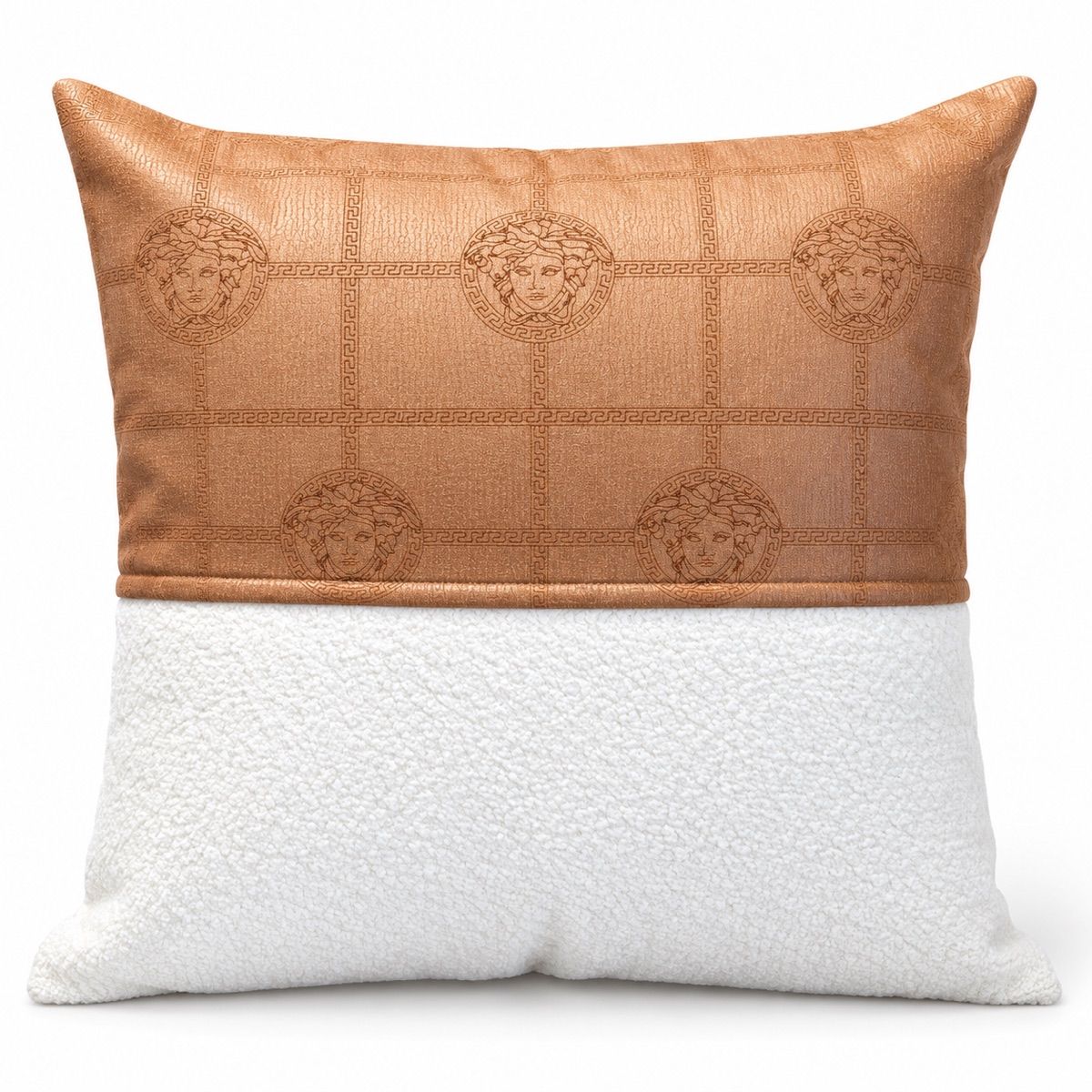
For most Indian sofas, an 18 × 18 in (45 × 45 cm) square cushion is the safest size, with 16 × 16 in (40 × 40 cm) for compact or low-backed sofas and 20–24 in (50–60 cm) for deep, lounge-style seats. A 12 × 18 in (30 × 45 cm) lumbar layered in front adds support and finish. Always buy the insert slightly larger than the cover so the cushion looks full.
Below is the chart we use in the studio, followed by how to match size to your sofa, and how many cushions a two-seater, three-seater or L-shape really needs.
The cushion cover size chart
Cushion sizes are sold in inches in most Indian shops and in centimetres on many labels. The centimetre figures below are the rounded trade equivalents you will usually see printed, not exact conversions.
- 12 × 18 — Size (cm): 30 × 45 — Shape: Lumbar — Best used for: Front layer on sofas, accent chairs, beds
- 14 × 14 — Size (cm): 35 × 35 — Shape: Small square — Best used for: Dining chairs, cane chairs, window seats
- 16 × 16 — Size (cm): 40 × 40 — Shape: Square — Best used for: Compact sofas, low-backed or wooden-frame sofas
- 18 × 18 — Size (cm): 45 × 45 — Shape: Square — Best used for: Standard sofas, the everyday all-rounder
- 20 × 20 — Size (cm): 50 × 50 — Shape: Square — Best used for: Deeper sofas, back layer on beds
- 22 × 22 — Size (cm): 55 × 55 — Shape: Large square — Best used for: Deep modular sofas, floor seating
- 24 × 24 — Size (cm): 60 × 60 — Shape: Euro / large square — Best used for: Back row on King beds, very deep sofas
If you remember only one row, remember 18 × 18 in. It suits the largest range of sofas and mixes easily with both smaller and larger sizes.
Match the cushion to your sofa's seat depth and back height
The size that looks right depends less on the sofa's width and more on how deep the seat is and how tall the back is. A cushion that is too big pushes you forward off the seat. One that is too small disappears against the back.
A simple way to judge it:
- Wooden-frame or Indo-modern sofas with a low back. These are common in Indian homes and often have a shallower seat. Choose 16 × 16 in (40 cm) squares, or 18 × 18 in if the back is at least as tall as the cushion.
- Standard upholstered sofas. Most three-seaters bought in India today fall here. 18 × 18 in (45 cm) squares with a 12 × 18 in lumbar in front is the balanced default.
- Deep sofas and modular lounge sets. When the seat is deep enough that your back does not reach the backrest comfortably, go up to 20 × 20 or 22 × 22 in (50–55 cm) at the back, then layer 18 × 18 in in front.
- Sectionals and L-shapes. The corner seat is usually deeper than the rest. Place your largest cushions there.
A common guideline is that the top of a square cushion should sit a little below the top of the sofa back, not above it. If the cushion peeks over the top, size down.
For arrangement patterns, see our cushion arrangement guide for sofas.
The one-size-up insert rule
A cushion looks premium when it is plump to the corners. The simplest way to get there is to use an insert slightly larger than the cover. This is a widely used styling guideline rather than a fixed rule, but it holds for most fabrics.
- For an 18 × 18 in cover, many stylists use a 20 × 20 in insert for a full, soft-edged look.
- For a 16 × 16 in cover, an 18 × 18 in insert does the same job.
- For a 12 × 18 in lumbar, an insert about 1 in larger on each side keeps the ends from looking empty.
Two caveats. Firmer, tightly woven fabrics and covers with piping have less give, so a same-size or only slightly larger insert may be enough. And zipped covers need some room for the zip to close without straining. If you are unsure, try the insert at home before settling.
Soft microfibre inserts compress more than dense ones, which is another reason to go a size up with them. Recovery also matters in humid monsoon months, when inserts can flatten faster; a good plump and a few hours in shade and airflow helps.
How many cushions for a two-seater, three-seater or L-shape
There is no correct number, but odd and even counts create different moods. Even numbers feel calm and symmetrical. Odd numbers feel relaxed and collected. As a starting point:
- Two-seater: 2 squares (one each end), or 2 squares plus 1 lumbar in the centre. Keep sizes at 16–18 in so the seat stays usable.
- Three-seater: 4 squares (two each end) or 4 squares plus 1 lumbar. For a simpler look, 2 large squares and 1 lumbar.
- L-shape or sectional: 5 to 7 in total. Put 2 large squares in the corner, 1 or 2 at each open end, and 1 lumbar on the longer side.
- Daybed or diwan: 3 to 5, with lumbars along the back to make the seat usable as a sofa.
Leave at least one full seat free of cushions on a three-seater. A sofa should be sat on, not only looked at.
Sizes for beds and chairs
The same chart works beyond the sofa.
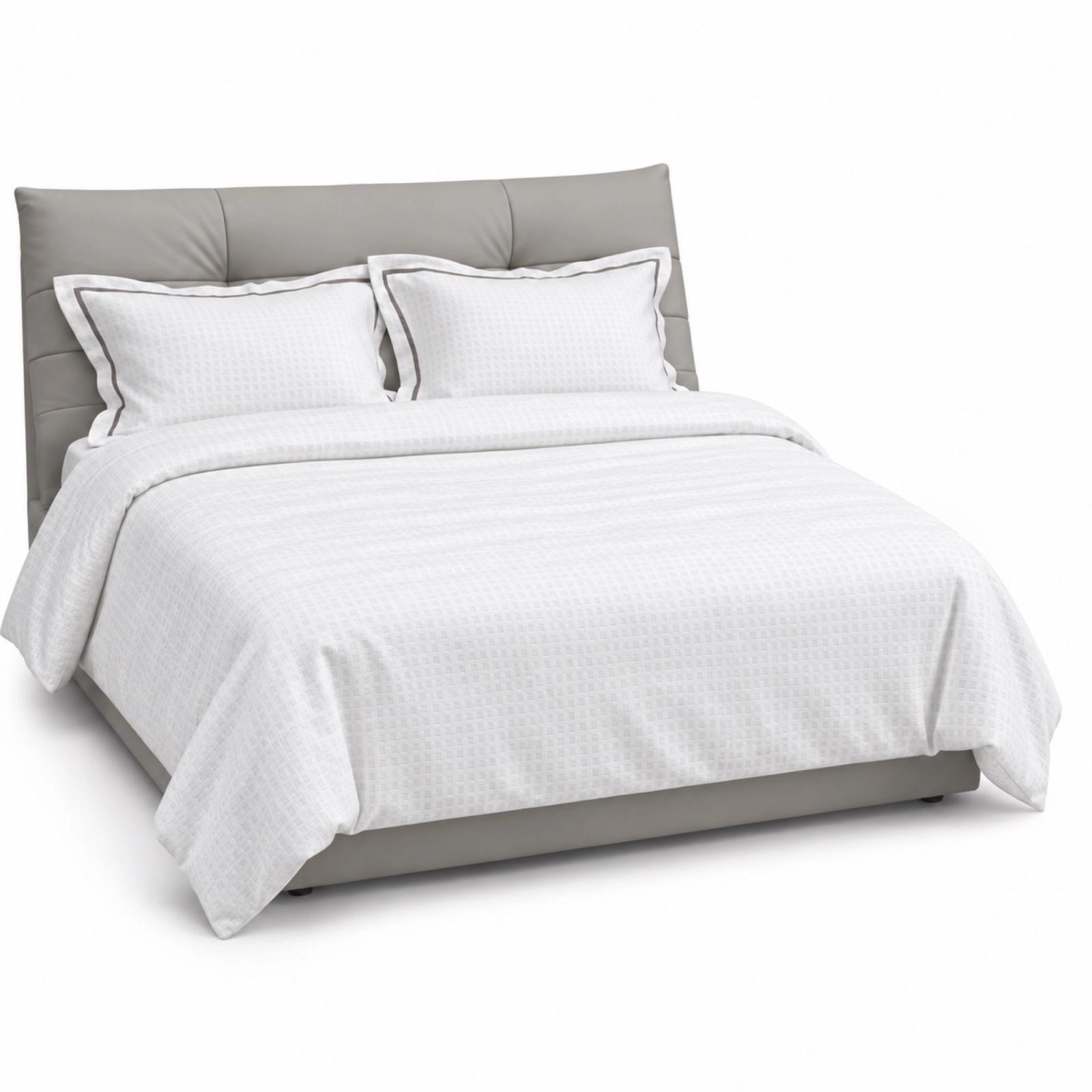
- King bed: 2 sleeping pillows at the back, 2 squares of 20–24 in in front of them, then 2 of 18 in, finished with 1 lumbar. Trim to fewer layers if you make the bed every day in a hurry. Our bedding sizes guide covers the base layers.
- Accent or armchair: 1 lumbar of 12 × 18 in, or 1 square of 16–18 in.
- Dining or cane chair: 14 × 14 in, ideally with ties so it stays put.
What SOISU offers
SOISU cushion covers come in two sizes that cover most of the arrangements above: 45 × 45 cm (18 × 18 in) squares and 30 × 45 cm (12 × 18 in) lumbars. Covers are sold without filler, and a microfibre insert can be added when you order.
These two sizes pair well together on most standard sofas. For colour pairing ideas, see cushion colour pairing, or browse complete room looks in the Concept Shop.
Quick measuring tips before you buy
- Measure an existing cushion seam to seam, not from the plumped middle.
- Measure the sofa back height from the seat cushion to the top of the backrest.
- Measure the seat depth from the front edge to the backrest.
- Check that your sofa back is roughly 1.5 to 2 times the height of the square you plan to use. This is a rough guide, not a rule, but it keeps proportions comfortable.
- Note inch and cm on your list. Indian shops mix the two, and a 16 in cover is not the same as a 45 cm one.
For more on sizes across the home, see sizes and measurements in India.
The short version
- 18 × 18 in (45 × 45 cm) is the best all-round sofa cushion size; 12 × 18 in (30 × 45 cm) is the standard lumbar.
- Go smaller (16 in) for low-backed sofas and larger (20–24 in) for deep ones.
- Use an insert about one size up for a full, plump cushion.
- Start with 2 on a two-seater, 4–5 on a three-seater and 5–7 on an L-shape.
- Measure seat depth and back height before you buy, and note both inches and centimetres.