Concepts · 7 min read · 03 Oct 2026
How to Decorate a 1BHK So It Looks Premium
A 1BHK looks premium when it is zoned with rugs, held to one colour palette, dressed in textiles that do more than one job and furnished at the right scale. Here is the method, plus three budget tiers.
By the SOISU studio
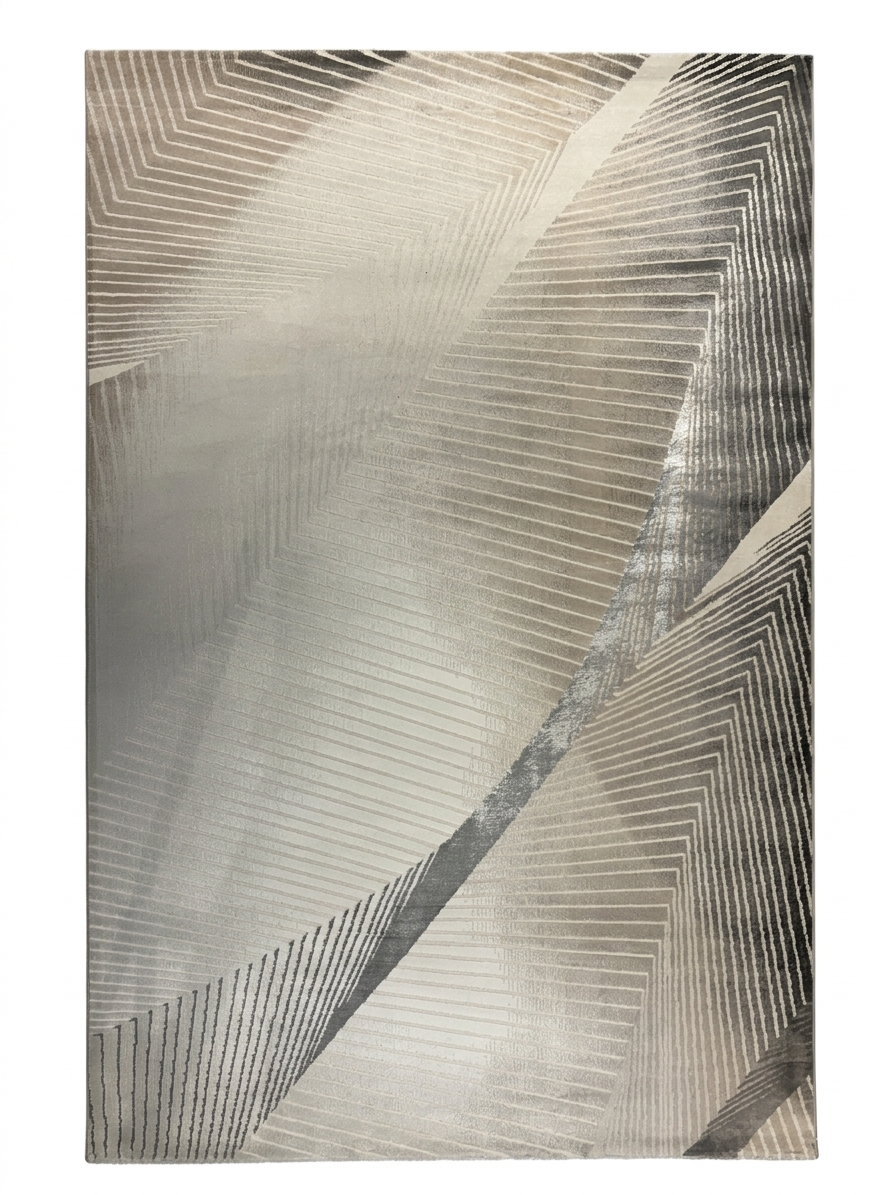
A 1BHK looks premium when every zone is clearly defined, the whole flat follows one colour palette, and the furniture and textiles are scaled to the room rather than crammed in. Use rugs to mark out living, dining and sleeping areas, choose textiles that work in more than one room, and buy fewer, larger pieces instead of many small ones. None of this depends on a big budget.
Most 1BHKs in Indian cities share the same challenges: a living room that doubles as dining and work space, a bedroom that must hold a wardrobe and a bed with little floor to spare, and often a rented home where walls and floors cannot change. Textiles are the most flexible tool you have.
Zone the flat with rugs
In a small flat, a rug does the job a wall would do in a bigger one. It tells the eye where one area ends and the next begins.
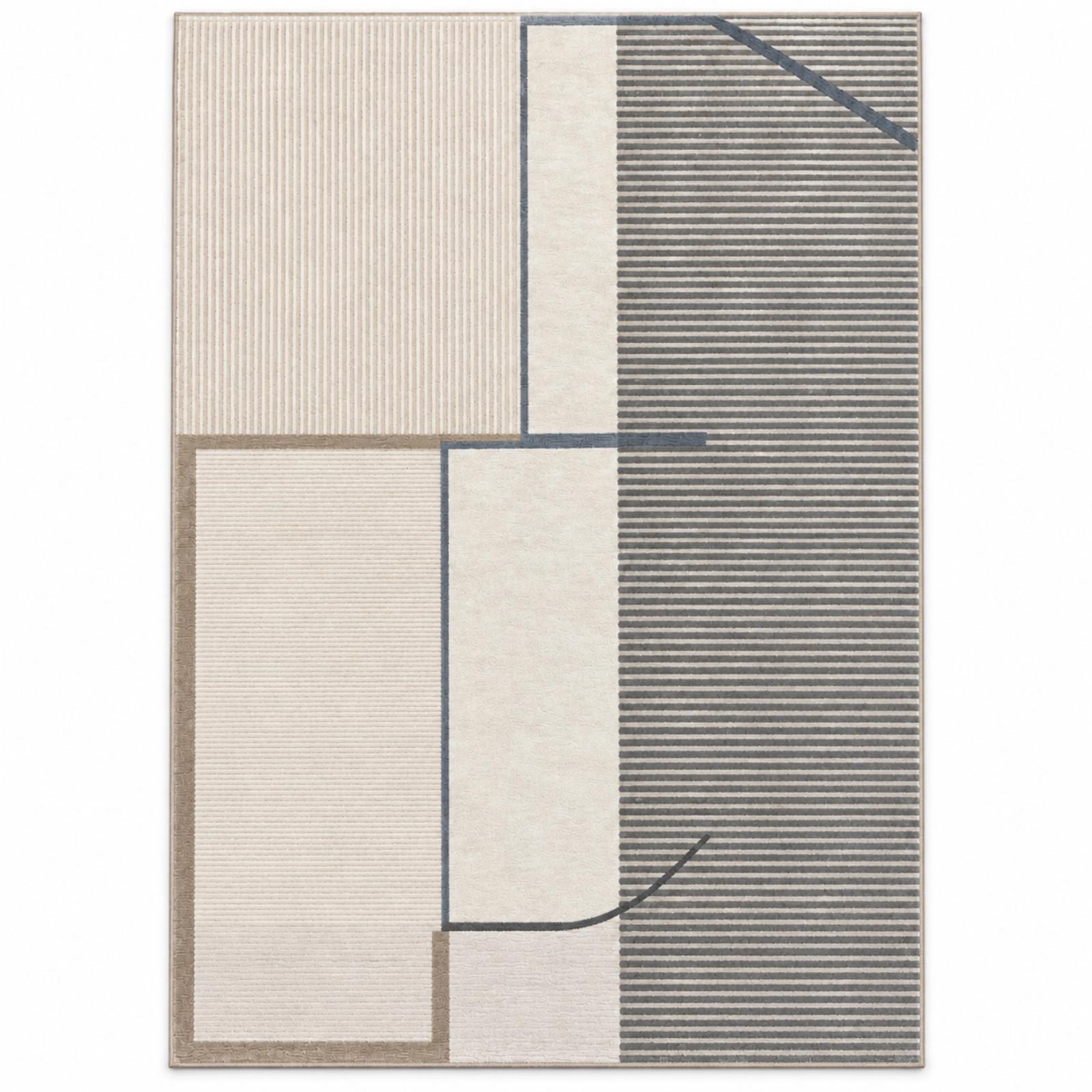
- Living zone: one rug large enough that at least the front legs of the sofa and chairs rest on it. A rug that floats in the middle of the floor makes a small room look smaller. Our rug size guide for Indian living rooms covers the common layouts.
- Dining or work corner: if the dining table sits in the living room, a separate rug under it separates the two areas. A common guideline is to extend the rug 45–60 cm beyond the table edge so chairs stay on it when pulled out. A 160 cm round rug suits a small round table well.
- Bedroom: a rug on the side you get up from, or across the lower part of the bed.
- Entrance: a narrow runner or small rug marks arrival, even in a short passage.
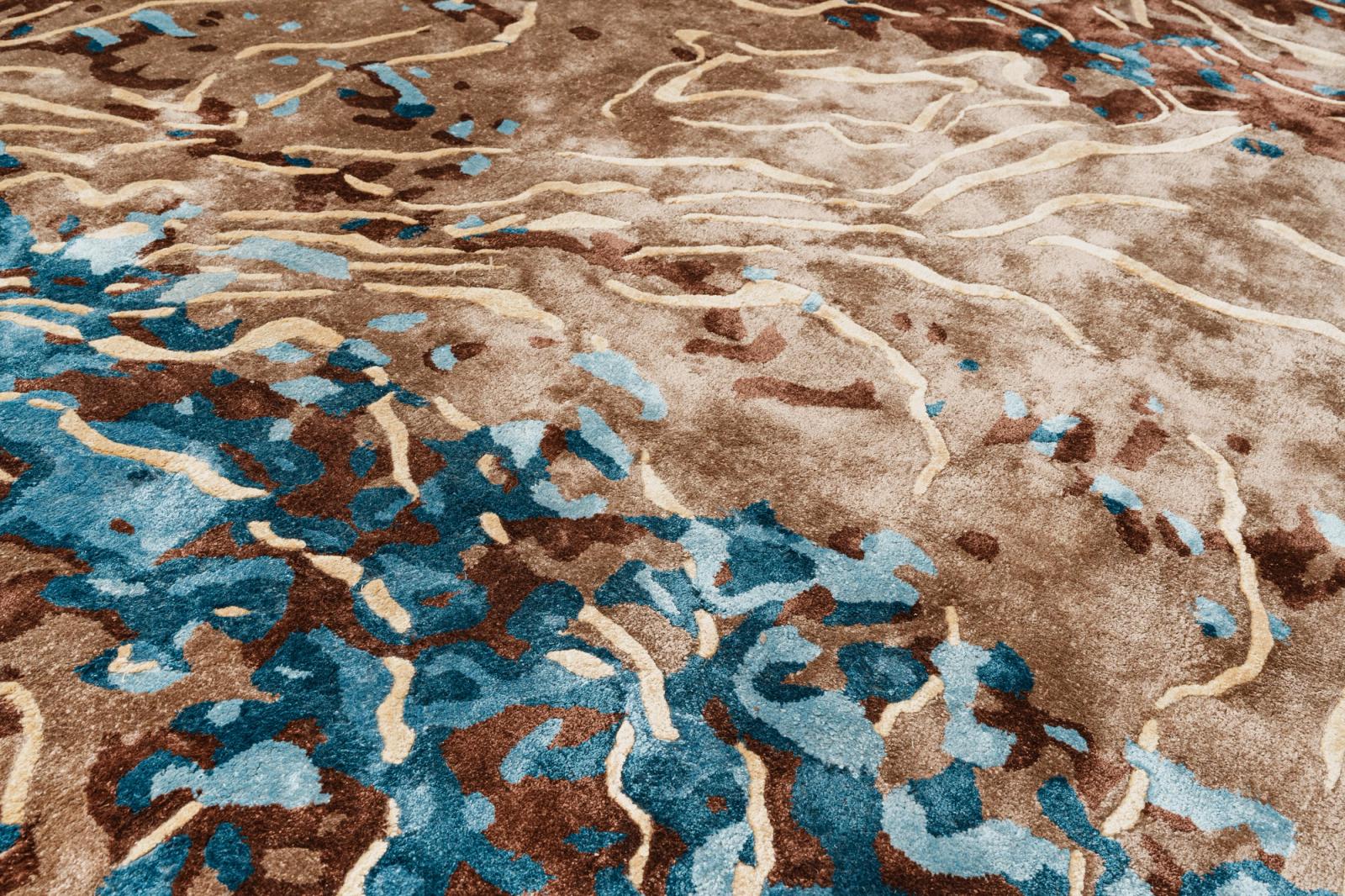
Keep the rugs related. They do not need to match, but they should share at least one colour or tone so the flat reads as one home, not a set of separate rooms. Browse rugs in sizes from around 4 × 6 ft to 8 × 10 ft.
Hold the whole flat to one palette
In a 1BHK you can see most of the home from the sofa. That is why one palette matters more here than in a larger house.
- Choose a base of two neutrals, such as warm white and sand, or grey and chalk.
- Add one accent colour, such as olive, rust or indigo, and repeat it in each room.
- Allow one deeper tone, such as charcoal or chocolate, in small amounts to add weight.
Repeat the accent in a cushion on the sofa, a runner on the bed and a colour in the rug. That repetition is what makes a small home look designed rather than collected over time.
Test the palette against what you cannot change. Most rented 1BHKs come with fixed floors, kitchen laminates and wall colours. Hold a cushion cover or a swatch against the floor and the main wall in daylight and again under your evening lights before you commit. Strong afternoon sun in west-facing rooms can wash out pale colours and fade deep ones, so mid-tones often hold up best. For ready-made schemes, see colour palettes for Indian living rooms.
Choose textiles that do more than one job
Space is limited, so every piece should work hard.
- Throws and runners: a long throw can sit across the foot of the bed on weekdays and over the sofa when guests visit. It can also cover a worn sofa arm or dress a diwan. See throws and runners.
- Cushions: keep covers in the same palette across rooms so you can move them between sofa and bed. Two sizes, a square and a lumbar, are enough to create variety.
- Floor cushions or poufs: extra seating that tucks away.
- A bedspread-style coverlet: turns the bed into daytime seating if the bedroom doubles as a study or guest room.
Storage matters too. Keep one basket or chest for off-season textiles so the rooms stay clear.
Get the scale right
Premium homes rarely look cluttered. Small flats often look cheap because they are filled with small things.
- Buy one larger rug rather than two small ones in the same zone.
- Choose fewer, larger cushions rather than many small ones. Two or three well-sized cushions on a sofa look more deliberate than six.
- Keep surfaces clear. Group objects in threes and leave empty space around them.
- Hang curtains higher and wider than the window to make the ceiling feel taller.
- Raise furniture on visible legs so floor shows beneath it, which helps rooms feel larger.
For more tactics, read how to make a small room look bigger.
Three budget tiers
The right order of spending depends on what you already have. These tiers describe what to buy, not what it will cost, since prices vary widely by brand, size and city.
- Starter — Focus: Maximum change for the least spend — What to buy: New cushion covers in one palette, one throw, one rug for the living zone
- Mid — Focus: Define every zone — What to buy: Add a bedroom rug, a dining or entrance rug, new bedding, a bed runner
- Full — Focus: Finish and layer — What to buy: Add a second set of cushion covers for seasonal change, larger rugs, curtains, lighting
Starter
Start where you sit most. Replace cushion covers on the sofa with a single palette, add a throw, and put one well-sized rug in the living area. Keep your existing inserts if they are still full. This alone can change how the whole flat feels.
Mid
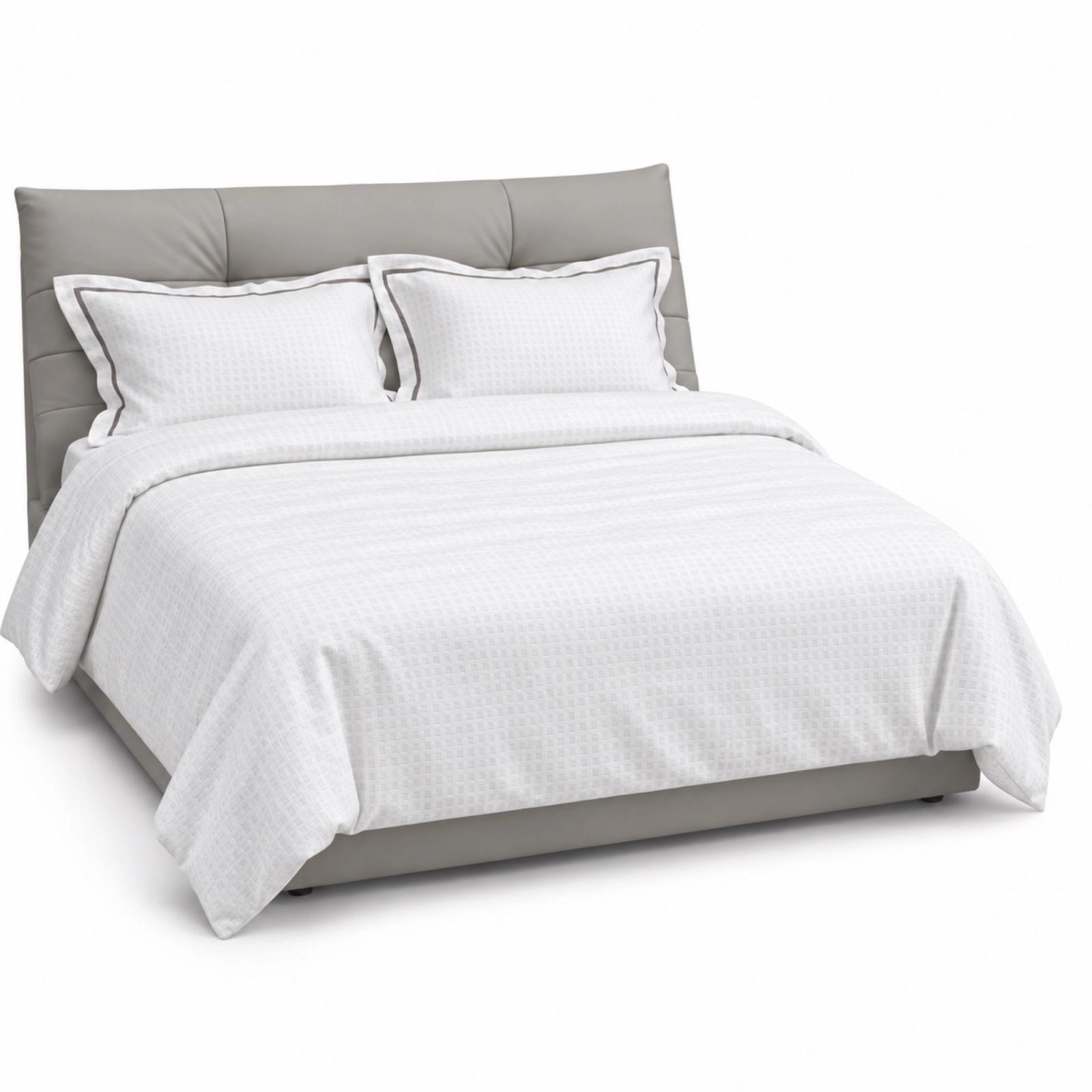
Now define every zone. Add a rug in the bedroom and one under the dining table or at the entrance. Change the bedding to match the living room palette, and add a runner at the foot of the bed.
Full
Layer and refine. Add a second set of cushion covers so you can switch between a light palette in summer and a warmer one in winter or for festivals. Upgrade the living room rug to a larger size if the first was a compromise. Then address curtains and lighting.
If you rent, all three tiers can move with you. See decorating a rental without damage.
Start from a complete look
If choosing every piece feels like a lot, begin with a finished room. The Concept Shop shows complete looks built from cushions, bedding, throws and rugs, so you can see how the pieces work together before you buy. Delivery is free on every order across India.
The short version
- Use rugs to zone living, dining, sleeping and entry areas, and keep them related in colour.
- Hold the whole flat to one palette: two neutrals, one accent, one deeper tone.
- Choose textiles that move between rooms, especially throws and cushion covers.
- Buy fewer, larger pieces and leave clear space around them.
- Spend in tiers: sofa and living rug first, then every zone, then layers and finishing.