Concepts · 6 min read · 03 Oct 2026
How to Make Your Bed Look Like a Hotel Bed (Indian King and Queen)
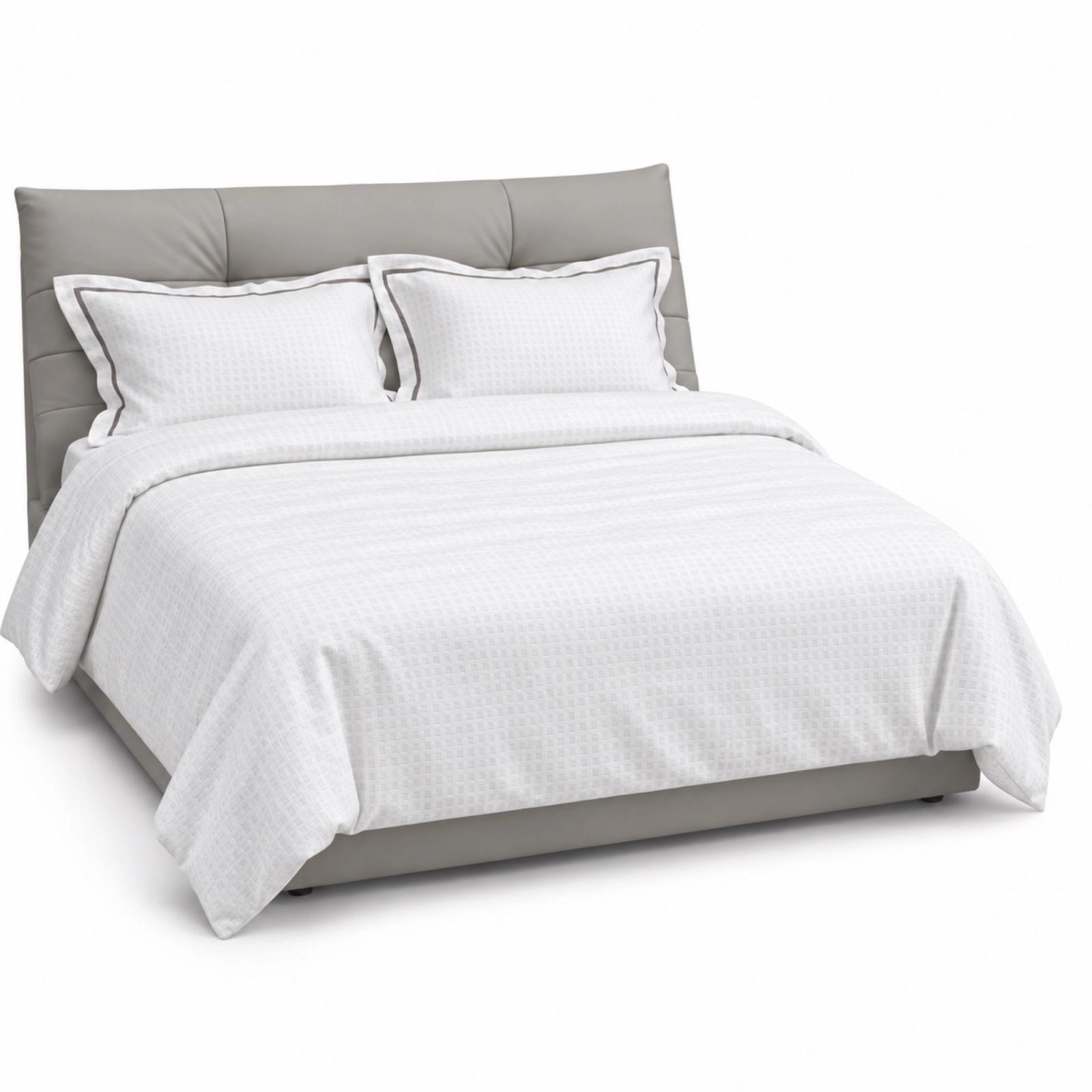
A hotel bed is about layers, tight corners and restraint: a smooth base sheet, a full duvet or coverlet, a runner or throw, and a set number of pillows and cushions, arranged the same way every day.
By the SOISU studio
A hotel bed looks the way it does because of three things: a smooth, tightly made base, generous layers on top, and a fixed pillow arrangement that never changes. You do not need special furniture or an expensive mattress. You need the right number of layers, pillows in a clear order, and a two- to three-minute routine each morning.
This guide is written for the two most common Indian bed sizes, King (72 × 78 in) and Queen (60 × 78 in). The principles are the same for both. Only the counts change.
What makes a bed look "hotel"
Stand at the foot of a well-made hotel bed and notice what you see:
- Nothing sags. The sheet is pulled tight and the top layer falls evenly on both sides.
- The top layer is generous. The duvet or coverlet hangs well past the mattress edge, often close to the floor.
- Colour is quiet. Usually white, ivory or one soft neutral, with a single band of colour from a runner or throw.
- Pillows are stacked with intent. Sleeping pillows at the back, then a row of decorative cushions, all standing upright and evenly spaced.
- There is a clear horizontal line. A runner or folded throw across the lower third breaks up the expanse and makes the bed look deliberately finished.
That restraint is the same idea behind quiet luxury interiors: fewer things, done well.
The layers, from mattress up
Work from the bottom. Each layer has one job.
- Mattress protector. Keeps the mattress fresh and gives the sheet something smooth to grip.
- Fitted or flat bottom sheet. The key is tension. A fitted sheet with deep pockets is easiest. If you use a flat sheet, make hospital corners: tuck the foot in, lift the side edge into a 45-degree fold, tuck the hanging part, then drop the fold and tuck again.
- Top sheet (optional). Many Indian homes skip it, and that is fine. If you use one, fold its top edge back over the duvet by about 30 cm. That band of crisp sheet is a classic hotel detail.
- Duvet with cover, or a coverlet. This is the main visual layer. A duvet gives the plump, cloud-like look. A coverlet is flatter and lighter, which suits warm months and air-conditioned rooms alike. See our bedding collection for King duvet cover sets and coverlets.
- Runner or throw. Across the lower third of the bed. More on this below.
- Pillows and cushions. Last, and in a set order.
Size matters here. A top layer that only just covers the mattress will never look like a hotel bed. On an Indian King, look for a duvet cover or coverlet that drops well past the edges. Some King sets use 250 × 250 cm covers, which gives a generous fall. Our bedding sizes guide explains how mattress depth affects the drop.
Pillow and cushion counts by bed size
Hotels use more pillows than most homes, but not an unlimited number. These counts look full without becoming a chore to clear at night.
- Queen (60 × 78 in) — Sleeping pillows: 2 to 4 — Decorative squares (45 × 45 cm): 2 — Lumbar (30 × 45 cm): 1 — Total: 5 to 7
- Indian King (72 × 78 in) — Sleeping pillows: 4 — Decorative squares (45 × 45 cm): 2 to 3 — Lumbar (30 × 45 cm): 1 — Total: 7 to 8
- Minimal version, either size — Sleeping pillows: 2 — Decorative squares (45 × 45 cm): 0 — Lumbar (30 × 45 cm): 1 — Total: 3
The minimal version is worth taking seriously. Two well-filled pillows and one lumbar cushion in a good colour can look calmer and more expensive than a crowd of cushions.
Our cushion covers come in 45 × 45 cm square and 30 × 45 cm lumbar sizes and are sold without filler, with a microfibre insert available. For a hotel look, choose inserts that are slightly fuller than the cover, so the corners stand up and the cushion does not flatten.
The arrangement order
Build from the headboard forward.
- Back row: sleeping pillows standing upright. On a King, place two side by side against the headboard. Stand them on their long edge so they look tall.
- Second row: sleeping pillows or shams leaning. Two more pillows in front, leaning back against the first row at a slight angle. On a Queen, you can skip this row.
- Third row: decorative squares. Two or three 45 × 45 cm cushions. With three, the centre one can be a different colour or texture. With two, space them so each sits in front of one side of the bed.
- Front: one lumbar. Centred, lying at a slight lean. This is often where the accent colour goes.
Give each cushion a quick karate-chop dent at the top only if you like that look. Many hotels now prefer a smooth, plumped top instead, which looks calmer.
Keep colours to two or three at most across all layers. If you are unsure how to mix textures, such as a smooth duvet, a nubby throw and a velvet-look cushion, our guide on how to layer textures in a room walks through it.
Runner or throw: which one and where
A bed runner is a narrow band laid flat across the bed. A throw is a larger piece, folded into a band or draped more casually.
- Runner: crisp and tailored. Lay it across the lower third of the bed so it hangs evenly on both sides. It suits a hotel look best.
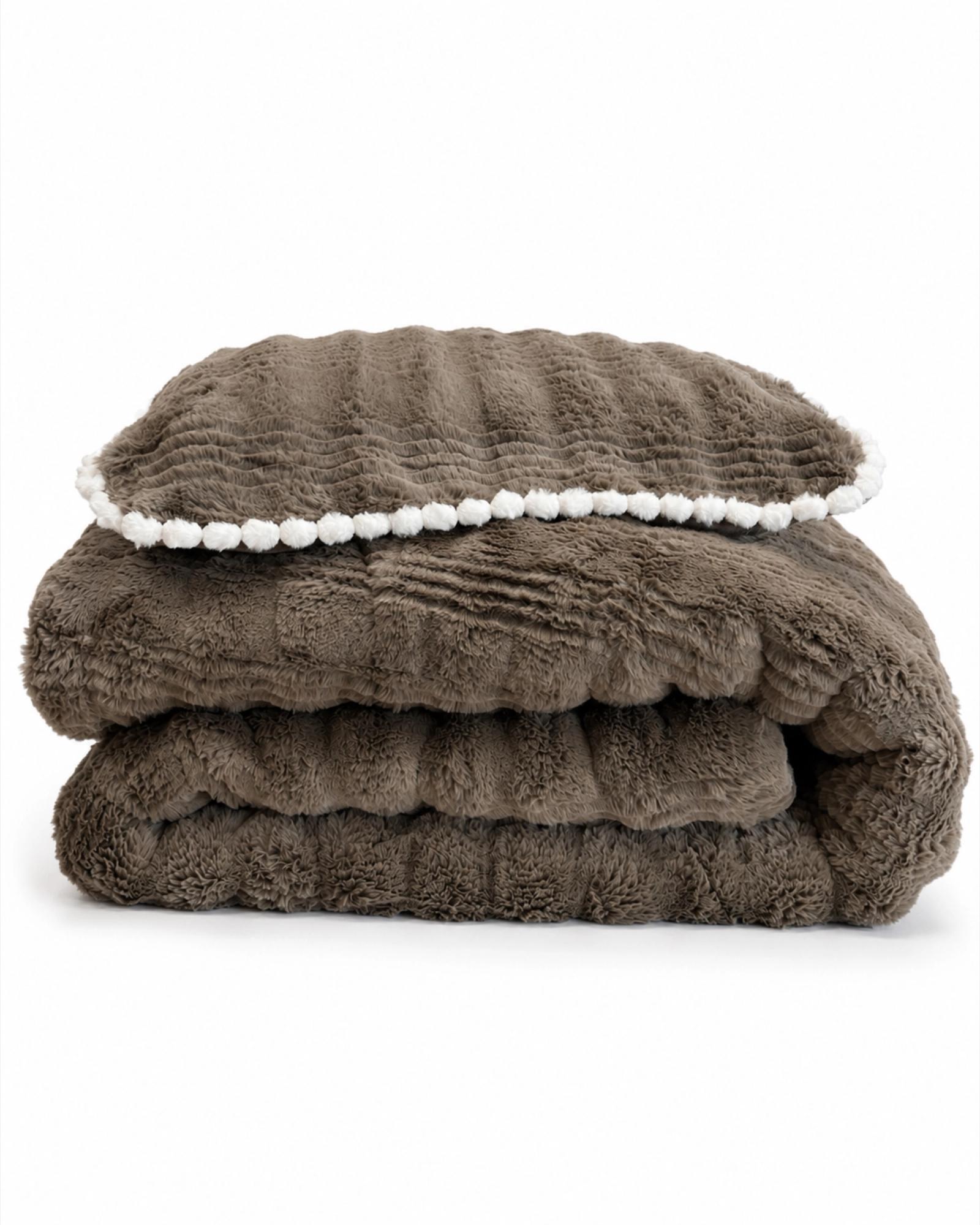
- Folded throw: fold lengthwise into thirds to make a band about 40–60 cm deep, then lay it across the same spot. It adds warmth and texture.
- Casual drape: one corner pulled towards the foot at an angle. This reads as relaxed rather than hotel, so save it for weekends.
Our throws and runners are mostly long formats of roughly 210–245 cm by 64–94 cm, which suits laying across a King bed with some overhang. If you are deciding between the two, throw vs blanket vs shawl explains the differences.
Choosing colours that read "hotel"
White and ivory are classic because they look clean and are easy to match. In Indian homes, where dust and humidity are daily realities, some people prefer soft greys, oatmeal or pale sage, which show less. Either way:
- Keep the base (sheet and duvet) light and plain.
- Put colour or pattern in one place, either the runner or the cushions, not both.
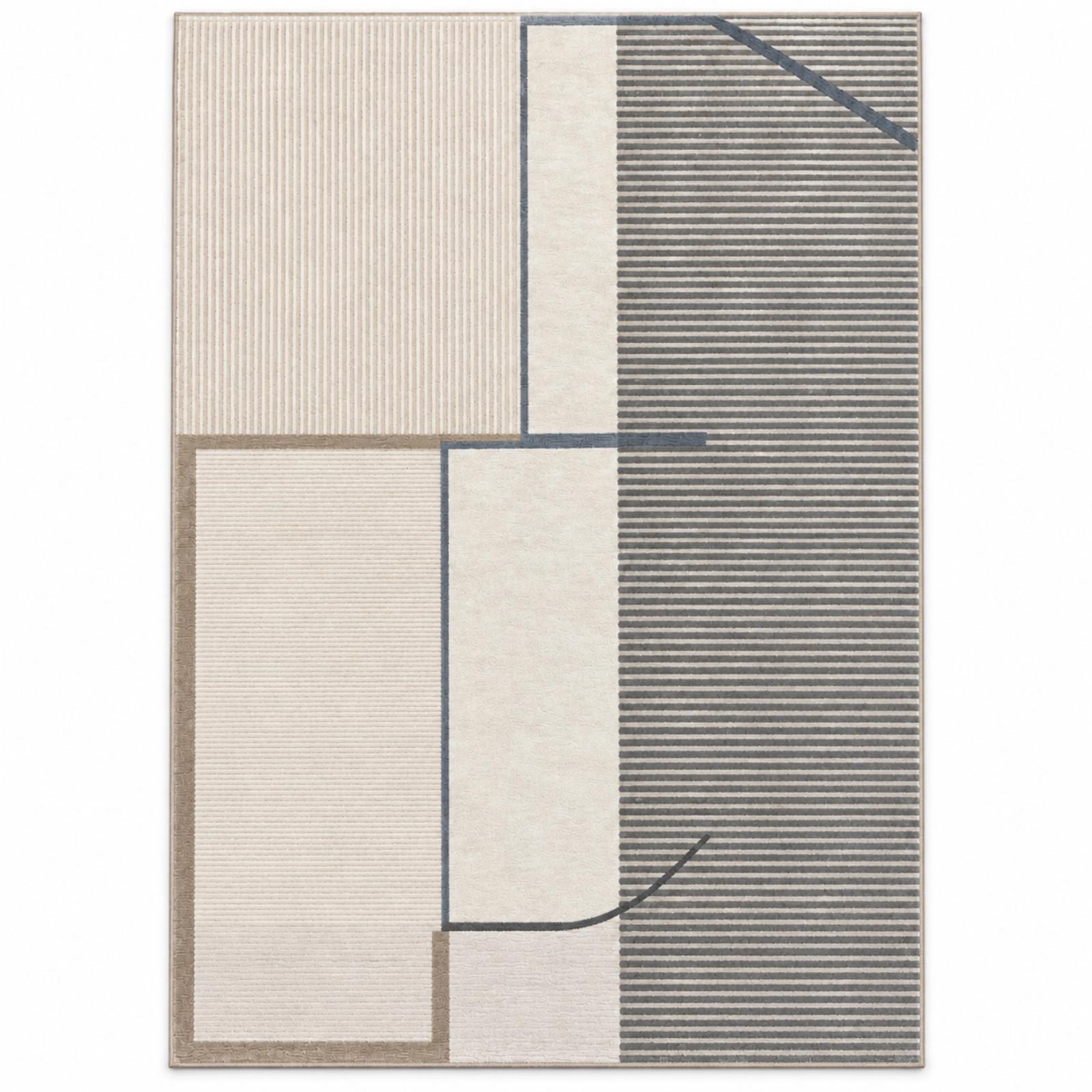
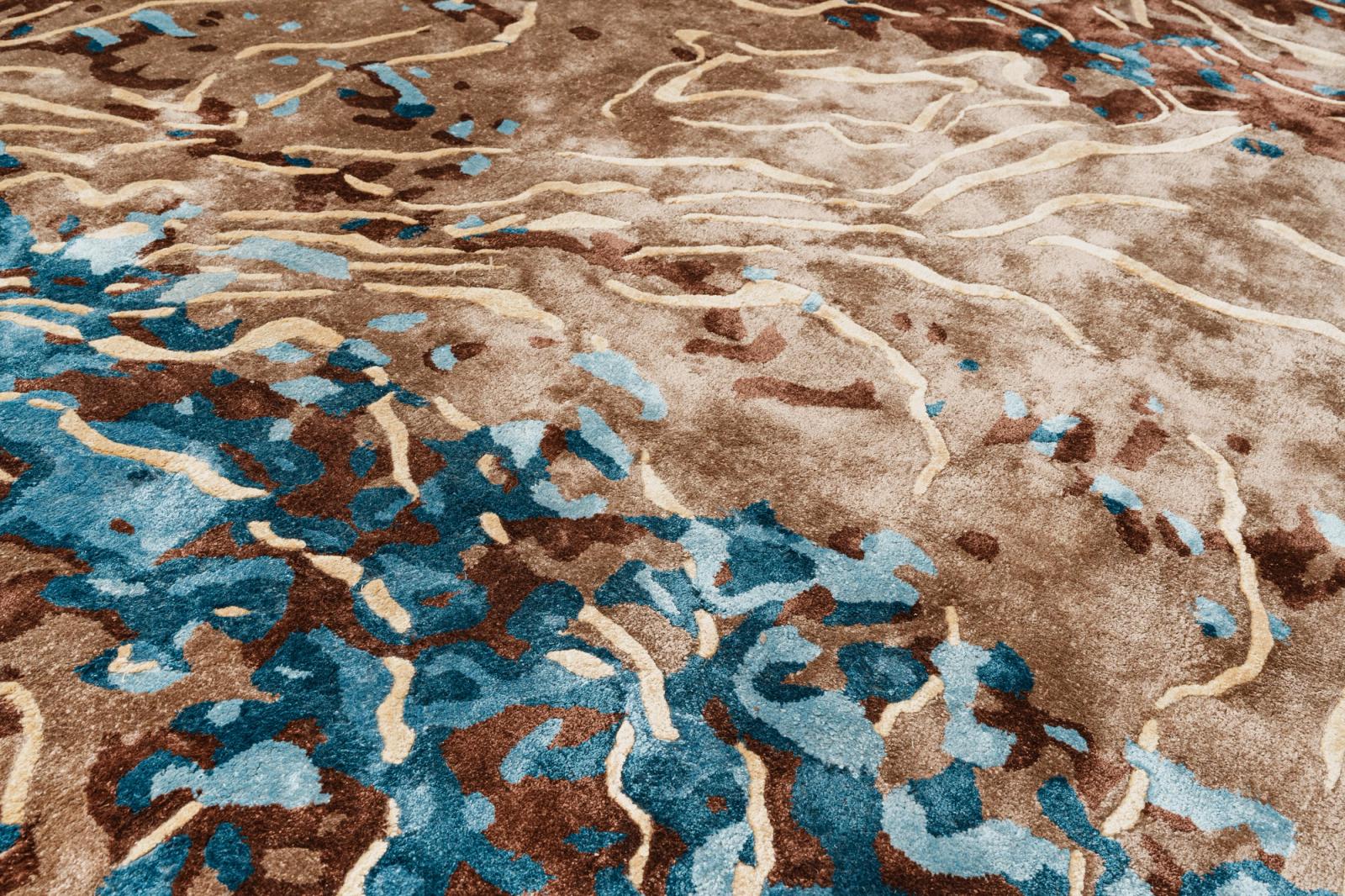
- Repeat the accent colour once elsewhere in the room, such as a lamp, artwork or rug, so the bed does not feel like an island.
For complete room looks with bedding already styled, browse the Concept Shop.
The three-minute daily routine
A hotel bed only works if it is quick to remake. Here is a routine that takes about three minutes once you are used to it.
- Clear the bed (30 seconds). Move cushions and the runner to a chair or bench, not the floor.
- Straighten the base (45 seconds). Pull the bottom sheet tight at each corner and smooth the middle with a flat hand.
- Shake and lay the duvet (45 seconds). Hold two top corners, shake once, lay it down, and check the drop is even on both sides.
- Fold back the top (15 seconds). If you use a top sheet, fold it over the duvet. Otherwise fold the duvet itself back about 30 cm.
- Pillows in order (30 seconds). Plump each one and place it: back row, second row, squares, lumbar.
- Runner last (15 seconds). Across the lower third, even on both sides.
A few habits help the look last. Air the duvet on a dry, sunny morning now and then. Wash cushion and duvet covers regularly so they stay crisp. Keep a second set of sheets so the bed is never left bare on laundry day.
The short version
- Build in layers: protector, tight bottom sheet, generous duvet or coverlet, runner or throw, then pillows.
- On an Indian King, aim for 7–8 pillows and cushions in total. On a Queen, 5–7. A minimal three-piece version also works.
- Arrange from the back: upright sleeping pillows, leaning pillows, 45 × 45 cm squares, one 30 × 45 cm lumbar in front.
- Lay a runner or folded throw across the lower third, and keep colour to one place.
- A three-minute morning routine keeps the look every day.