Concepts · 6 min read · 03 Oct 2026
Mixing Heirlooms with Modern Decor: Antique Furniture, New Textiles
Old furniture and new decor sit well together when they share a palette, balance in scale, and are linked by textiles. Let the heirloom lead, keep the modern pieces quieter, and use cushions, throws and rugs as the bridge.
By the SOISU studio
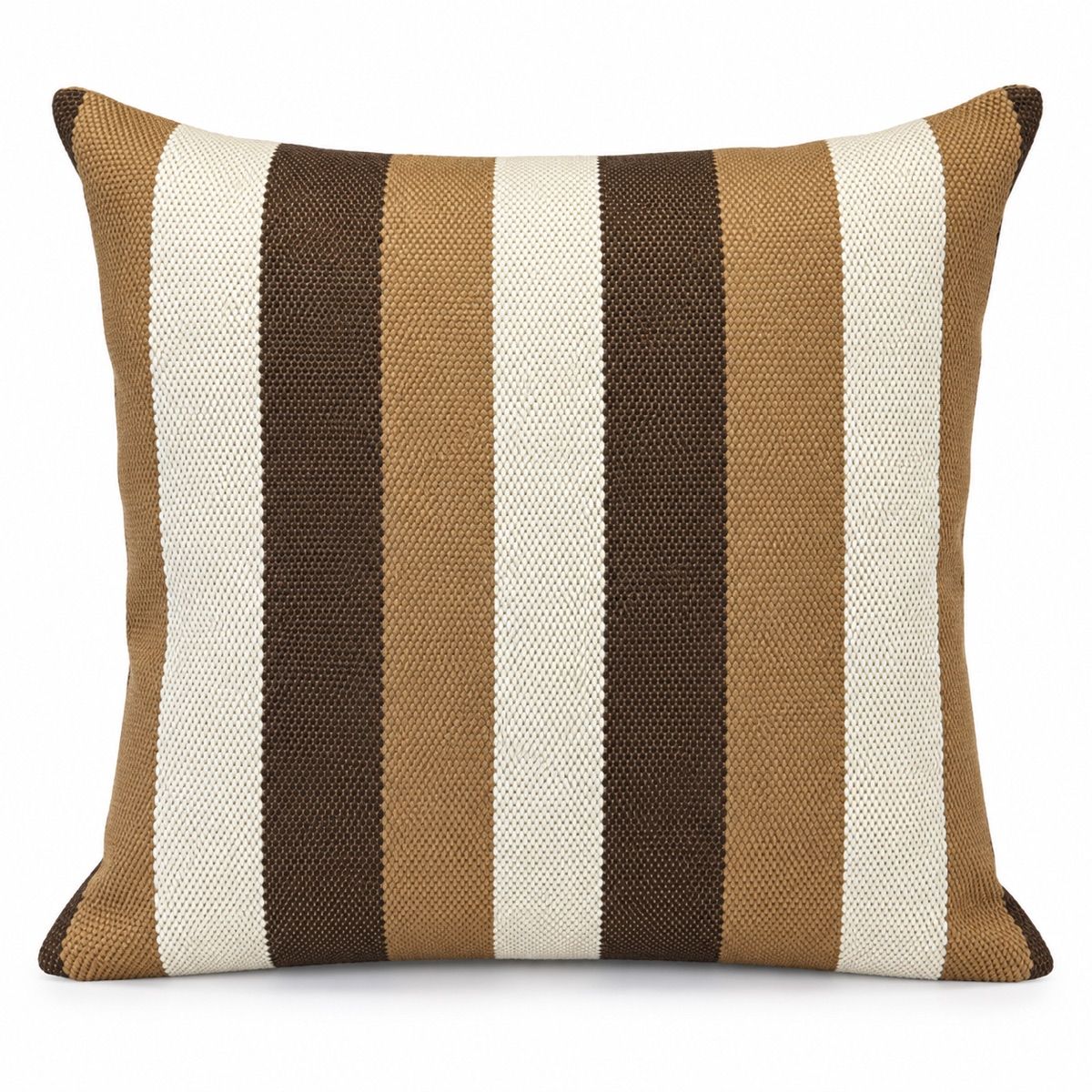
Heirlooms and modern decor work together when three things line up: a shared colour palette, a sensible balance of scale, and textiles that connect the old wood to the new room. Let the inherited piece be the star, keep the modern furniture around it simpler, and use cushions, throws and rugs to carry colour from one to the other. The goal is a room that looks lived in over generations, not a museum corner next to a showroom.
Why heirlooms feel awkward in modern rooms
Most Indian homes have at least one piece that came from a grandparent's house — a carved rosewood sofa, a teak diwan, a Sankheda chair set, a brass-bound trunk. The trouble usually is not the piece itself. It is that the room around it was put together separately, with a different palette and a different sense of proportion.
Common signs of a mismatch:
- The heirloom is dark, polished wood; everything else is pale grey and white.
- The old piece is heavy and low; the new sofa is slim, light and high on legs.
- The heirloom has no textiles on it at all, so it looks like it is waiting to be moved.
- It has been pushed against a wall in a corner because nobody knew where else to put it.
Each of these has a simple fix.
Build a common palette
Start with the heirloom and pull two or three colours from it. Old furniture often carries more colour than we notice.
- Dark wood (rosewood, sheesham, old teak) reads as deep brown with red or black undertones. Pair it with warm neutrals — ivory, sand, oatmeal — and one rich accent such as rust, ochre or deep green.
- Sankheda furniture has lacquered colours, often red, maroon, gold and green. Take one of those as your accent and keep the rest of the room calm.
- Brass and copper fittings bring in gold. Pick up that warmth in a mustard or ochre cushion rather than adding more metal.
- Painted or faded pieces often have chalky blues, greens or reds. These work beautifully with washed neutrals.
Once you have the palette, apply it everywhere: the modern sofa's cushions, the rug, a throw on the bed in the next room. Our guide to colour palettes for Indian living rooms has worked examples if you want a starting point, and cushion colour pairing covers the combinations in more detail.
Balance the scale
Heirloom furniture tends to be visually heavy: carved backs, thick arms, solid bases. Modern furniture often sits high on thin legs. Put them side by side and one looks bulky, the other looks flimsy.
A few ways to balance them:
- Give the heirloom space. A heavy piece needs breathing room around it. Do not squeeze it between two modern pieces.
- Match heights, not styles. If the carved sofa has a low back, choose a coffee table and side tables that sit at a similar height to it rather than to the new sofa.
- Add weight to the modern side. A substantial rug under the modern seating, or a solid ottoman instead of a slim-legged one, helps it hold its own.
- Use one large heirloom, not five small ones. A single strong piece reads as intentional. Many small old pieces spread around can look like clutter.
Textiles are the bridge
This is where most of the work happens. Textiles are soft, changeable and cheap to adjust compared with furniture, and they can sit on both old and new pieces at once.
Cushions. Put cushions from the same family on the heirloom and the modern sofa. They do not need to match; they need to share at least one colour or texture. For example, the carved sofa might carry two rust cushions with a small block print, while the modern sofa has plain rust and ivory cushions with one printed piece that repeats the pattern. Our cushion arrangement guide explains how many to use and where.
Throws. A throw folded over the arm of an old chair softens hard carved wood and makes it feel usable again. Choose a throw in the same palette as the modern seating's cushions and the link is made.
Rugs. A single rug that runs under both the heirloom and the newer furniture pulls them into one group. If the heirloom sits separately — in an entrance or a reading corner — give it its own smaller rug in a related colour.
Texture. Old wood is smooth and glossy. Add contrast with nubby, woven or slubby textures in the textiles around it. See how to layer textures in a room for more on this.
You can browse cushion covers in 45 × 45 cm squares and 30 × 45 cm lumbars, and throws in long formats that drape well over carved arms.
Three common cases
- Carved wooden sofa — The challenge: Hard seat, heavy look, often uncomfortable — What to do: Add a firm seat pad in a plain neutral, two square cushions and one lumbar in your accent colour; place it facing the modern sofa across a shared rug
- Diwan or takht — The challenge: Low and long, can look like a bench — What to do: Treat it as a daybed: a flat-weave or cotton-look cover, two bolsters at the ends, three or four cushions along the back
- Sankheda set — The challenge: Bright lacquer can clash with modern neutrals — What to do: Pick one lacquer colour as the room's accent; keep walls and the main sofa neutral; repeat the accent in cushions and a throw
The carved sofa. Carved sofas were often made for formal sitting. Rather than hiding it, give it a conversation role: place it opposite the modern sofa with a coffee table between. A plain seat pad improves comfort without covering the carving, and cushions in the room's palette make it feel current.
The diwan. A diwan fits naturally into a modern room because its low, simple form is close to contemporary daybeds. Two bolsters and three or four cushions are usually enough to turn it into a comfortable daybed.
The Sankheda set. This is the most colourful case. Resist adding more colour. Let the lacquer be the pattern, and keep textiles mostly plain with one accent drawn from it.
What to avoid
- Matching everything to the heirloom. A room full of carved dark wood looks heavy. One or two strong old pieces are enough.
- Hiding the piece under covers. A full slipcover defeats the purpose of keeping it.
- Pale grey with no warmth. Cool greys can make dark wood look muddy. Warm the neutrals slightly.
- Leaving the heirloom bare. Without a single textile, it looks like it has been parked, not placed.
- Over-restoring. A bit of wear is part of the story. Clean and repair, but you do not need a high-gloss finish.
- Ignoring the floor. Dark wood on dark vitrified tiles disappears. A lighter rug beneath separates the two.
Quiet luxury and heirlooms
The current interest in calm, well-made rooms suits heirlooms well. A quiet, warm palette with one inherited piece reads as more considered than a room of new furniture. If you like this direction, our guide to quiet luxury interiors explains the thinking. The Concept Shop also shows complete room looks you can adapt around your own pieces.
The short version
- Let the heirloom lead and pull two or three colours from it for the whole room.
- Balance scale: give heavy pieces space and add weight to slim modern furniture.
- Use cushions, throws and one shared rug to connect old and new.
- Carved sofas, diwans and Sankheda sets each need a slightly different approach; do not over-match.
- Avoid bare heirlooms, cold greys and rooms full of dark wood.