Concepts · 6 min read · 03 Oct 2026
Where Should a Rug Go? Placement Rules for Bed, Sofa and Dining
A rug should cover the lower two-thirds of a bed, sit under a sofa's front legs, and run 45–60 cm past a dining table so chairs stay on it. Here is how to place yours.
By the SOISU studio
A rug should anchor the furniture it belongs to, not float in the middle of the floor. The common guidelines are simple: under a bed, the rug covers roughly the lower two-thirds and shows on both sides; in front of a sofa, the front legs sit on the rug; under a dining table, the rug runs about 45–60 cm beyond the table edge so pulled-out chairs stay on it. Get placement right and even a modest rug makes a room look finished.
These are rules of thumb, not laws. Indian homes have their own conditions, such as polished marble, daily dust, a lot of foot traffic and the odd spilt cup of chai. The notes below cover those too.
Most rugs look wrong because of where they sit, not because of what they look like. A rug that stops short of the furniture turns into a doormat in the middle of the room. A rug pushed against one wall makes the seating look like it is drifting away from it.
Think of the rug as the floor of a small "room within a room". It should hold the pieces that are used together, such as the sofa and coffee table, the bed and side tables, or the table and chairs. Once you see it that way, most placement decisions settle themselves. If you are still choosing a size, start with our rug size guide for Indian living rooms, then come back here to position it.
Under the bed: the two-thirds rule
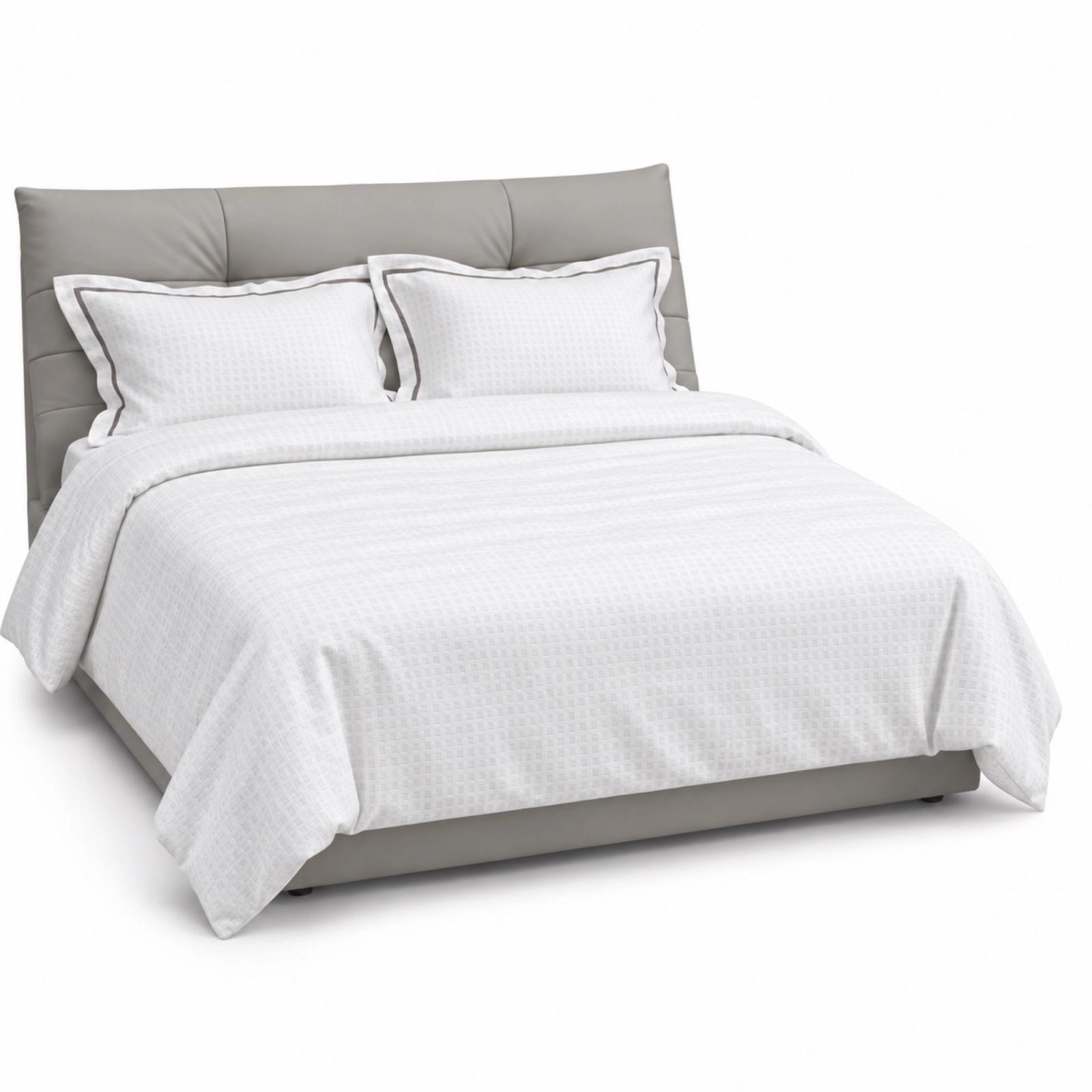
For a bedroom, the usual approach is to run the rug across the bed rather than along it, starting a little below the side tables.
- Start point: the rug's top edge sits roughly one-third of the way down the bed, just below the side tables. The side tables stay on the bare floor, which keeps them level.
- Side reveal: aim for about 45–60 cm of rug showing on each side of the bed. That is what your feet land on in the morning, so it is the part that matters most.
- Foot of the bed: let the rug extend past the foot by a similar amount if space allows. It frames the bed and gives a soft landing for a bench or trunk.
On an Indian King bed (72 × 78 in, about 183 × 198 cm), an 8 × 10 ft rug laid sideways usually gives a generous reveal on both sides. A 6 × 9 ft rug works in a tighter room but shows less on each side. If the room is small, two runners, one on each side of the bed, do the same job without the bulk. There is more on bed dimensions in our bedding sizes guide.
In front of the sofa: front legs on
There are three common layouts for a living room. Pick one and commit to it.
- All legs on. The rug is big enough for every piece of seating to sit fully on it. This looks the most settled and suits open-plan rooms, where the rug marks out the living zone.
- Front legs on. The front legs of the sofa and armchairs rest on the rug and the back legs stay on the floor. This is the most practical choice for most Indian living rooms. It ties the group together without needing a very large rug.
- Floating. The rug sits only under the coffee table, with no furniture touching it. This works only in very small spaces, and even then the rug should be at least as wide as the sofa's seat area.
A few spacing habits help. Leave around 20–45 cm of bare floor between the rug and the walls so the floor frames the rug. Centre the rug on the sofa, not on the room, unless the two line up anyway. And keep the coffee table fully on the rug, never half on and half off.
Under the dining table: 45–60 cm beyond the edge
Dining rugs have one job: the chairs must stay on the rug when someone sits down. If the back legs drop off the edge every time a chair is pulled out, the chair wobbles, catches the rug and scuffs the floor.
The common guideline is for the rug to extend 45–60 cm beyond the table on every side where chairs sit. To check your own room:
- Measure the table.
- Pull a chair out as if you were about to sit, and measure from the table edge to the chair's back legs.
- Add that distance to each side of the table.
For a four-seater table, a 5 × 8 ft or 6 × 9 ft rug often works. Six-seaters usually need 8 × 10 ft. A round table suits a round rug, and a 160 cm round sits well under a compact two- to four-seater. For dining areas, flatter and lower-pile rugs are easier. Chairs slide more smoothly and crumbs brush out.
Common rug sizes by room
Use this as a starting point, then measure your furniture.
- Bedside, entrance or small reading nook — Common rug sizes: 4 × 6 ft — Placement note: One side of the bed, or in front of a single chair
- Small living room or 1BHK seating — Common rug sizes: 5 × 7 ft or 5 × 8 ft — Placement note: Front legs on; coffee table fully on the rug
- Standard living room, Queen bed, four-seater dining — Common rug sizes: 6 × 9 ft — Placement note: Front legs on the sofa; across the lower bed
- Larger living room, Indian King bed, six-seater dining — Common rug sizes: 8 × 10 ft — Placement note: All legs or front legs on; generous bed reveal
- Compact round dining table — Common rug sizes: 160 cm round — Placement note: Chairs should stay on when pulled out
Our rug collection runs from about 4 × 6 ft to 8 × 10 ft, plus a 160 cm round, with some larger pieces. For a quick check before you buy, the rug buying guide FAQ answers the most common questions.
Marble and vitrified floors: keeping the rug put
Polished marble and vitrified tiles look beautiful and are very slippery. A rug on them will creep, bunch at the corners and become a tripping hazard, especially one that only has furniture on one edge.
- Use a rug pad or grip underlay. A thin non-slip pad cut a few centimetres smaller than the rug on every side stops it moving and adds a little cushioning. Choose one that is described as safe for polished floors.
- Anchor with furniture. The front-legs-on layout helps here, because the sofa weight holds one edge.
- Watch the corners. Corner grippers are useful for smaller rugs in doorways, where people step on the edge more often.
- Check underneath occasionally. On marble especially, lift the rug every few months and wipe the floor under it so grit does not dull the polish.
Dust, spills and Indian household realities
A rug in an Indian home works harder than the photographs suggest. Plan placement with daily life in mind.
- Dust. Many cities have fine dust that settles every day. Keep rugs a short distance back from balcony doors and windows that stay open, and vacuum or shake smaller rugs regularly.
- Shoes off, mostly. Even in homes where shoes come off at the door, the entrance rug takes the most grit. A small, easy-to-clean rug there protects the larger one further in.
- Spills. Dining and coffee-table rugs will meet tea, dal and turmeric at some point. Blot straight away, do not rub, and treat turmeric quickly because it stains. A patterned or mid-tone rug hides everyday marks better than pale solid colours.
- Floor seating and festivals. If the family sits on the floor for meals, pujas or card games, a larger rug that covers the whole seating area is more comfortable than a small one.
- Monsoon. Keep rugs away from spots where water tracks in, and let the room air on dry days.
For natural-fibre rugs, our wool rug care guide covers cleaning and storage through the seasons.
Small rooms and awkward layouts
In a compact room, a slightly bigger rug usually makes the space feel larger, because the floor reads as one continuous surface instead of several small patches. Our guide on how to make a small room look bigger explains why.
For L-shaped or open-plan layouts, use one rug per zone, each sized to its own furniture group. Keep them related in colour or tone rather than identical. For complete layouts you can copy, the Concept Shop shows full room looks with the rug already in place.
The short version
- Under a bed, start the rug about one-third of the way down and aim for around 45–60 cm showing on each side.
- In a living room, at least the front legs of the sofa and chairs should sit on the rug, with the coffee table fully on it.
- Under a dining table, allow roughly 45–60 cm beyond the edge so chairs stay on the rug when pulled out.
- On marble or vitrified floors, always use a non-slip pad.
- Plan for dust and spills: protect entrances, blot stains quickly, and choose mid-tones or pattern where the rug works hardest.